Treasury does not mince their words about affairs at Lekwa in Standerton
“Almost all expenses increased drastically from 2018/2019 to 2019/2020 by 161% due to increases in employee costs, remuneration of councillors, bulk purchases, provision for bad debts and general expenses,” it read.
A financial recovery plan for the Lekwa Municipality was prepared, published and if not set in stone, without a doubt, mandatory.
The adjectives used in the report of National Treasury include experienced, qualified and capable incumbents for critical positions, as well as nouns such as crisis, collapse, failures, political will and identifying council as dysfunctional.
“Almost all expenses increased drastically from 2018/2019 to 2019/2020 by 161% due to increases in employee costs, remuneration of councillors, bulk purchases, provision for bad debts and general expenses,” it read.
Treasury has decided on a three-phased plan, beginning with a recovery, followed by stabilisation and moving towards sustainability.
The report does not beat around the bush about the Eskom-debt, a R1,3-billion figure as of November last year, nor the municipality’s inability to pay creditors within 30 days.
It was acknowledged in black and white that the infrastructure is not coping with the current demand.
The failure of the provincial government to intervene was also mentioned.
The court case of Astral Operations Limited and others in May 2018, in terms of the Constitution of South Africa, sought national intervention and relief was granted.
National intervention was approved on May 3 and both Section 139 (7) of the Constitution and the Municipal Finance Management Act came into play.
Cabinet dissolved the municipal council on May 12 and an administrator, Mr Johann Mettler, was appointed on May 28.
The recovery plan sprung into action on July 1.
According to the report, pillars of municipal sustainability are governance, human resources, financial management and service delivery.
Mr Mettler has met stakeholders, according to the report, such as community groups, big business, organised business, Lekwa Ratepayers Association, the LED Forum, agricultural groups, sate-owned entities, developers and the media.
The report went on to say that internal failures within the administration were addressed and mismanagement, fraud and corruption are cited.
“Staff are politicised and the executive management team is relatively young, inexperienced with many facing the prospect of disciplinary action and possible criminal prosecutions.”
Spending and budget parameters such as control of the payroll budget are mentioned.
Lekwa must report monthly to the Minister of Finance on implementation of the plan and the administrator is also required to be a signatory on the primary bank account.
Commitment to stringent expenditure controls was called by the name.
Risks associated with the plan have been identified and include lack of political will and administrative commitment and support, inadequate internal capacity for implementation, insufficient communication and unresolved labour disputes and litigation.
Standerton’s economic growth rate over the period 1996 to 2018 was only 0,5%, the unemployment rate deteriorated from 22,6% in 2016 to 27,1% in 2019 and estimated job losses in 2020 due to Covid-19, are between 3 800 and 5 100.
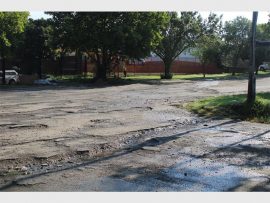
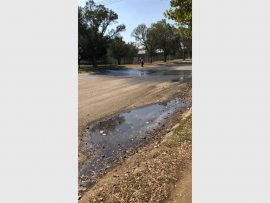
Five service delivery factors are mentioned namely inadequate roads, lack of reliable water supply, inadequate employment opportunities, inadequate housing and lack of reliable electricity supply.