Understanding Parvovirus: How to protect your dogs
Parvovirus has become an epidemic in Standerton.

If I could turn back the clock two weeks, I would have taken Parvovirus more seriously and vaccinated my puppies immediately. In just four days, we lost three little pups to this terrible virus. Each small box we had to bury felt heavier than the last.
Due to misinformation and ignorance, we lost three beloved pets who could have been immunised against a preventable disease.
When our first dog fell ill, we rushed him to Standerton Animal Hospital for treatment, sanitized the house with F10 disinfectant, and assumed the others would be safe.
A few days later, the first puppy began showing symptoms and passed away during the night.
We took the remaining two pups to the state vet and tried to nurse them back to health at home, but despite our best efforts, they were too young and their immune systems too weak to fight off the virus. No matter how often we disinfected, gave fluids, or stayed by their side, it was not enough.
This experience has taught me the critical importance of vaccinating puppies. I now have knowledge I wish I had known earlier.
The image of those little pups suffering will stay with me forever. I will never forget the distinct smell of the virus, and I will likely keep F10 disinfectant close at hand at all times.

The dog we took to Standerton Animal Hospital survived and is back at home, happy as ever. We are deeply grateful to Dr Ellie Canning from the Standerton State Vet for her tireless care and guidance during this ordeal.
She walked us through every step of home care and even came to visit us in the evening.
To the incredible team at Standerton Animal Hospital, thank you for your devoted care for our pitbull. Having him running around the house again is the greatest blessing.
My plea to the Standerton community: Learn about Parvovirus, recognise the symptoms, and most importantly, vaccinate your puppies correctly and on time. Don’t make the same heartbreaking mistake we did.- Zell-Mari de Jager
The severity
To understand the severity of Parvovirus, the Standerton Advertiser spoke to Dr Amelia Swart from Standerton Animal Hospital, who offered insight on the importance of vaccination and early treatment. Swart has been a practicing veterinarian for 19 years and obtained her degree from the Onderstepoort Campus at the University of Pretoria.
What is Parvovirus?
Parvovirus, often confused with cat flu, is a mutation of the feline panleukopenia virus that affects dogs. The virus mutated to affect dogs in the 1970s but only reached South Africa in the 1980s. It is a highly contagious disease that primarily causes intestinal problems in infected dogs.
Dr Swart explained that Parvovirus mainly affects unvaccinated dogs under the age of two.
“Some breeds, such as Rottweilers and Dobermans, get sicker than others, but all unvaccinated dogs are vulnerable,” she said. Although rare, dogs older than two can also contract the virus.
Symptoms of Parvovirus
The first symptom is usually a high fever, which owners may not notice. This is followed by loss of appetite and vomiting. Early veterinary care at this stage increases recovery rates.
Later, dogs develop severe diarrhea and extreme lethargy. Symptoms vary from dog to dog, but early treatment is crucial for managing the disease. Dogs treated at later stages may require two to three weeks of care.
Treatment
Prevention is better than cure. Puppies should be vaccinated at six, nine, and 12 weeks to be fully protected. Dr Swart warns that puppies can still contract the virus between vaccinations, making it important to keep them in a Parvo-free environment until fully vaccinated.
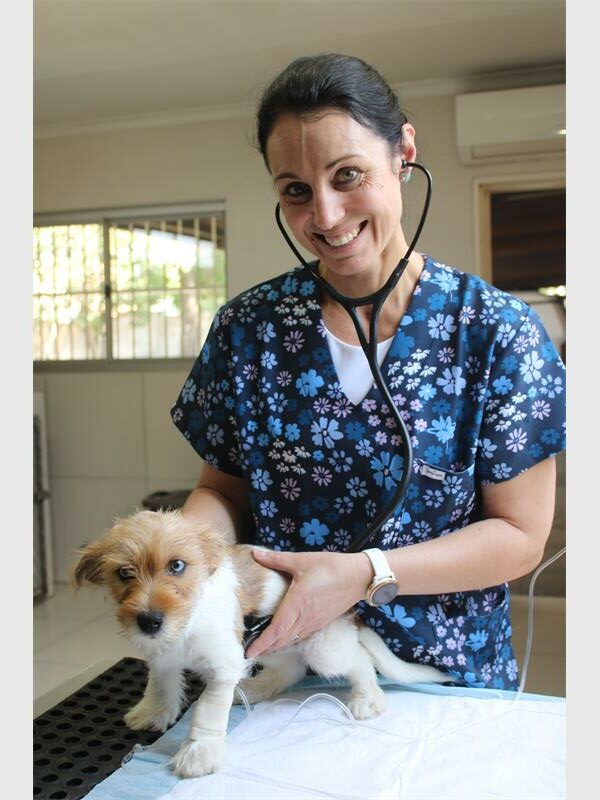
Since there is no miracle cure, veterinarians treat symptoms intravenously. IV drips prevent dehydration while the dog cannot eat or drink, and medicines are often administered through the drip. Once vomiting passes, liquid food helps restore intestinal health and protein levels lost during diarrhea. With constant care, most dogs recover within a week.
Vaccinating at home is possible but not ideal, as vaccines need proper storage to remain effective. Dr Swart recommends ensuring vaccines are kept at the correct temperature before administration.
How Parvovirus spreads
Parvovirus is extremely resilient and can survive in most environments. It spreads directly through contact with vomit or diarrhea and indirectly via contaminated objects like cages, food bowls, or people. The virus can seep into the ground and remain active for several years.
Preventing Parvovirus
Communities with higher vaccination rates report fewer cases. Areas exposed to the virus should be disinfected immediately using products like F10 veterinary disinfectant.
Infected dogs should be isolated, and when adopting a new pup, it is safest to keep them in a virus-free area until fully vaccinated. Swart also recommends using new feed bowls, blankets, and toys for new puppies and thoroughly disinfecting the environment.
“Parvovirus is no joke. If left untreated, it can be fatal,” said Dr Swart. Vaccination, hygiene and early intervention remain the best ways to protect your furry friends.
Vet advises on treating dogs with parvo at home
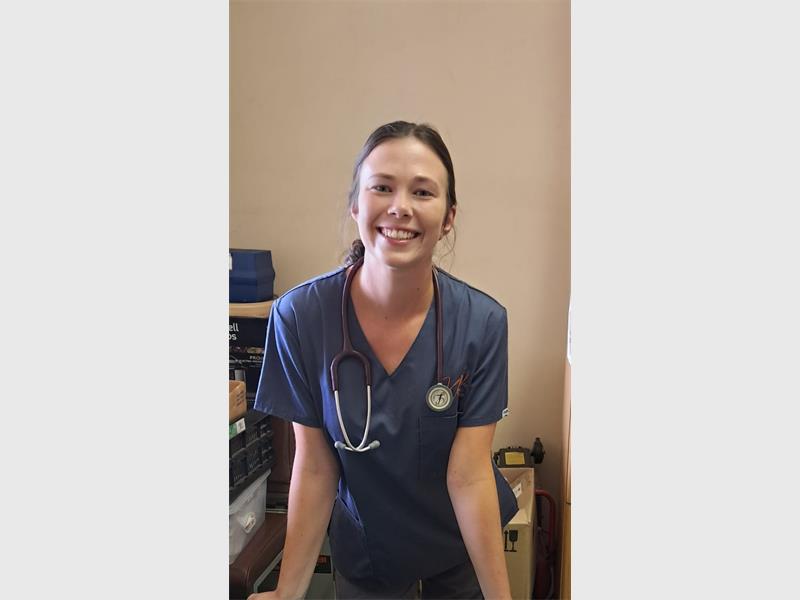
Dr Ellie Canning, a young veterinarian who graduated from the University of Pretoria, is completing her community service year at the Standerton State vet.
According to her, the Parvovirus attacks rapidly dividing cells in unvaccinated puppies, including those in their intestines and bone marrow.
“It can also make them more susceptible to secondary infections, as their immune response is weakened,” she explained, adding that at-home care for puppies with parvo includes regularly giving electrolyte-rich fluids by mouth.
Puppies treated at home can receive sugar water, Powerade, Cup-a-Soup or Darrow’s solution, as well as tasty foods that encourage them to start eating quickly.
Wet dog food in tins, meat or even Pronutro can help stimulate their appetite. Keeping sick puppies clean, warm and well cared for is as vital as professional vet care.
“Even with treatment, there is no guarantee of success, as the disease is severe,” stated Canning.
She said that after initial vaccinations, vets recommend annual booster shots in high-risk areas. She explained that when a vaccinated dog has puppies, the pups have protection from the virus for their first six weeks.
Unvaccinated adult dogs require two doses given three weeks apart to build immunity. Although less at risk than puppies, unvaccinated adult dogs can still become infected.
According to Canning, daily fluid treatments are available at State veterinarians for pet owners who cannot afford private care.
Private vet care is preferred for parvo pups, as they should ideally be admitted for recovery. At-home care is also effective.
Canning explained that even with the best treatment, some pups still die from the virus due to its severity.
“With early, aggressive intervention, the odds are more in your puppy’s favour, as there have been many successful outcomes. However, owners need to be prepared for either outcome,” Canning said.