
Diabetes in children: Know these warning signs
The rise of Type 2 diabetes in children is deeply linked to lifestyle, such as poor diets, sugary drinks and physical inactivity.
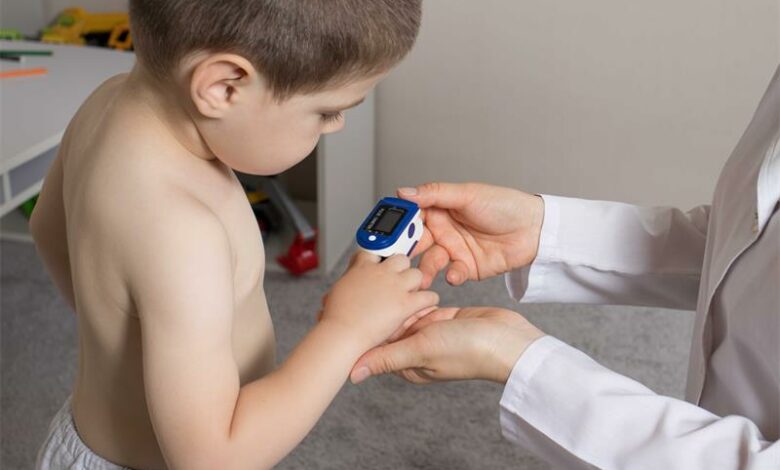
In the wake of World Diabetes Day (November 14), Affinity Health highlights some warning signs of diabetes in children that parents should not ignore.
“Diabetes is no longer just an adult condition. Children are being diagnosed at growing rates, and early recognition is vital. The sooner parents act on warning signs, the better the chances of preventing life-threatening complications,” says Murray Hewlett, the CEO of Affinity Health
What is diabetes in children?
Diabetes occurs when the body either does not produce enough insulin (Type 1) or cannot use insulin effectively (Type 2). Insulin is the hormone that regulates blood sugar levels. Without it, glucose builds up in the bloodstream, leading to serious complications over time.
In children, diabetes can progress quickly and dramatically. Left untreated, it can result in diabetic ketoacidosis (DKA), a potentially fatal condition.
Warning signs parents should never ignore:
• Excessive thirst and frequent urination
Children with diabetes are often unusually thirsty. The body tries to get rid of excess sugar through urine, leading to dehydration, constant trips to the bathroom, and even waking up at night;
• Extreme hunger and weight loss
Despite eating more, a child might lose weight because their body cannot properly use sugar for energy. This is a red flag for Type 1 diabetes.
• Fatigue and irritability
When cells are deprived of glucose, energy levels plummet. Children may appear unusually tired, moody or unable to concentrate at school;
• Blurred vision
High blood sugar can cause swelling in the lenses of the eyes, leading to blurred vision. If a child suddenly struggles to see clearly, it may be linked to diabetes;
• Slow-healing wounds and frequent infections
Cuts, bruises or sores that take longer than usual to heal can indicate underlying issues with blood sugar regulation. Children with diabetes might also experience recurring skin or urinary tract infections;
• Fruity-smelling breath
One of the more dangerous warning signs is a sweet, fruity odour on the breath caused by the body breaking down fat for energy and producing ketones, a serious indication of diabetic ketoacidosis;
• Unexplained nausea, vomiting or abdominal pain
If a child suddenly develops stomach pain or vomiting without another clear cause, it might be linked to diabetes. It could also be a sign that blood sugar is dangerously high.
Why early detection matters
Diabetes in children is manageable with the correct care, but delays in diagnosis can be life-threatening. Studies show that many children get diagnosed only when they arrive at the hospital in crisis, often already in diabetic ketoacidosis.
Parents and caregivers should never dismiss these warning signs as “just a growth spurt” or “normal childhood behaviour”. If symptoms are present, a simple blood test can confirm if diabetes is the cause.
Managing childhood diabetes
Once diagnosed, children with diabetes require careful management to maintain blood sugar levels within a safe range. This might include:
• daily insulin injections or insulin pump therapy for Type 1 diabetes;
• healthy eating plans and weight management strategies;
• regular physical activity to improve insulin sensitivity;
• monitoring blood glucose levels at home;
• ongoing medical support and education for the child and their family.
The rising challenge of Type 2 diabetes in children
While Type 1 diabetes is autoimmune in nature and not preventable, the rise of Type 2 diabetes in children is deeply linked to lifestyle, such as poor diets, sugary drinks and physical inactivity. Childhood obesity in SA is particularly concerning, with nearly 13% of children under five already overweight (United Nations International Children’s Emergency Fund).
Preventing Type 2 diabetes in children requires a focus on healthier diets, increased physical activity and limited screen time. Schools and communities are vital to creating environments that encourage healthy choices.
On World Diabetes Day, let’s not overlook our children’s health. Spotting the warning signs of diabetes early can prevent life-threatening complications and ensure better long-term outcomes.
Affinity Health supports families every step of the way through its Diabetes Management Programme, which provides access to trained case managers, treatment guidance, lifestyle support and 24/7 telehealth GP consultations.