The Mpumalanga Economic Regulator wants law to be enforced on liquor traders
The regulator also said they have a problem with foreign nationals who are applying for liquor licenses because it is difficult to verify them, and another challenge is they are using South African licenses as a front.
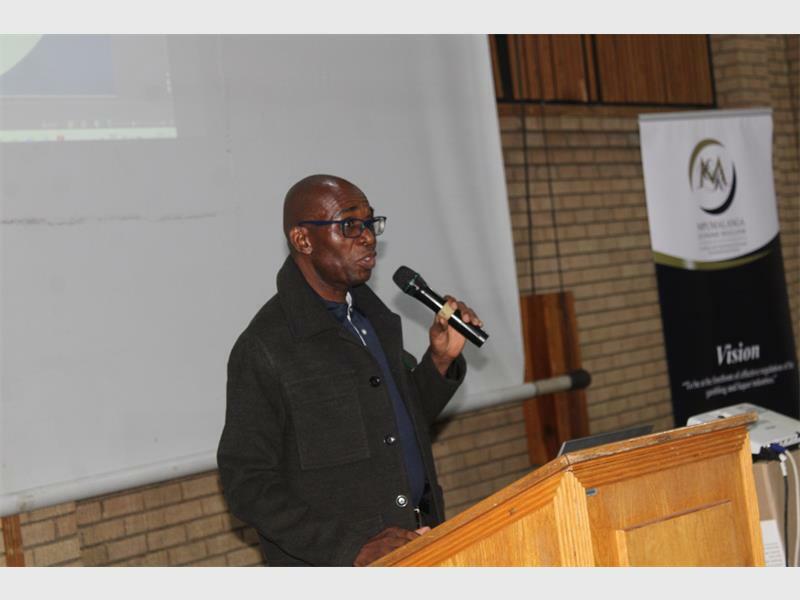
The Mpumalanga Economic Regulator wants police to enforce the law on liquor traders and illegal gambling.
This was the message at the Gert Sibande district stakeholders’ engagement workshop, held at the Lillian Ngoyi Centre in Secunda on November 7.
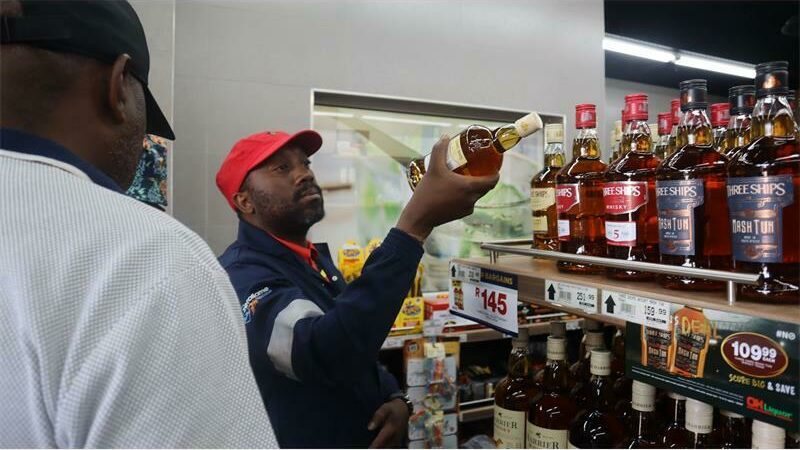
George Madonsela from the regulator said they had a problem with mushrooming liquor outlets all over the province because the Liquor Act does not stipulate the amount the municipalities may issue.
“Unfortunately, the Liquor Act does not limit the number of liquor outlets allowed within a municipality. The public participation process should also be prioritised during an application.”
Madonsela said municipal officials seem to understand neither what is expected of them when bringing an application on behalf of an applicant, nor the regulator’s requirements for a licence to be approved.
“We expect the municipalities to check if the applicant has a municipal account and if they pay their rates and taxes. Some municipalities do not even pick up on jurisdiction.
“We have, for instance, found applications submitted by a lawyer who provided the law firm’s details, which is not even in the area where the liquor outlets wanted to operate,” he said.
Madonsela said municipalities should also look at the suitability of the premises, whether accurately zoned for the activities for which the applicant is applying and if all the municipal by-laws were followed when they built the structure.
“Other things to consider are proximity to public roads and if the premises have a fence. Even the police experience difficulties when using a road near a liquor outlet because of cars blocking the road.
“We urge municipalities to make sure there is enough parking for patrons so that roads are not blocked,” said Madonsela.
The regulator also said municipalities should consider the proximity of an outlet to others with conflicting interests, such as schools, hospitals, healthcare clinics, rehabilitation centres and retirement villages where old people don’t want noise.
“You cannot process a liquor licence application for a liquor outlet near a rehabilitation centre for drug and alcohol abusers, because it does not make sense.
“If the municipality supports a liquor licence application, they need to ensure it does not negatively affect learning activities. Schools with liquor licences must have specific areas where the alcohol is sold or consumed,” said Madonsela.
The regulator said in terms of section 59 of the Liquor Act, all sports grounds cannot get liquor licences unless the municipality supports selling alcohol there.
Municipalities should also consider the competition issue. Madonsela said it doesn’t make sense to license five to 10 liquor outlets on the same street.
He said the regulator receives many complaints relating to controlling public nuisances, controlling the undertaking that sells liquor to the public, noise pollution, traffic and parking.
ALSO READ: Potholes repaired on Beyers Naude Street in Standerton
The regulator also claimed municipal officials who work with the liquor applications are unverifiable because they do not put their information on the application forms before they process them.
The regulator also has a problem with foreign nationals applying for liquor licences because it is difficult to verify them.
“Some are using South Africans as a front to get a license. When the inspectors visit the outlet, the foreigners selling the liquor claim they are employees.
Several liquor outlets are ‘rented’ and operated by foreign nationals. Madonsela further said that the Mpumalanga Economic Regulator may issue four licences for casinos.
There are currently three casinos in the province and they are licensing the fourth. He did not yet divulge where this casino will be.