Combatting cable theft is an essential function
A man lost his life in Cullinan on July 21 after he was electrocuted while attempting to cut live electrical wires. As news reports about death due to attempted cable theft becomes more and more frequent, it becomes clear that the crime is an increasing problem is South Africa. Jacques Broodryk, Chief Spokesperson for Community
A man lost his life in Cullinan on July 21 after he was electrocuted while attempting to cut live electrical wires. As news reports about death due to attempted cable theft becomes more and more frequent, it becomes clear that the crime is an increasing problem is South Africa.
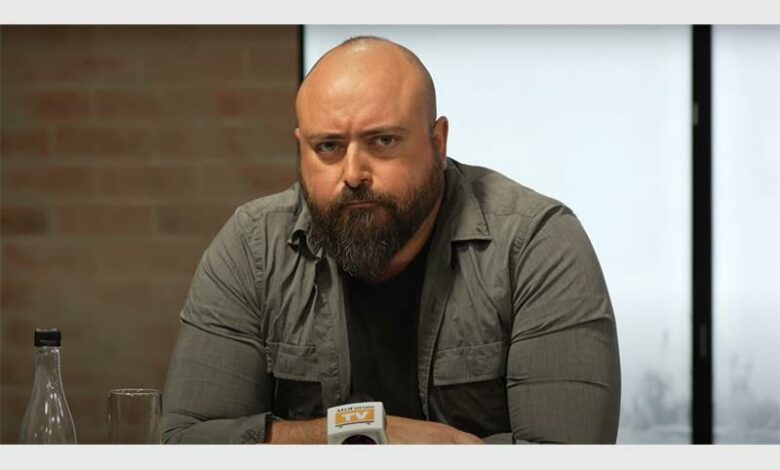
Jacques Broodryk, Chief Spokesperson for Community Safety at AfriForum, brought light to questions about this ever growing issue.
Broodryk said that cable theft is a nationwide problem, but it is particularly common in Gauteng, KwaZulu-Natal, the Western Cape and Mpumalanga.
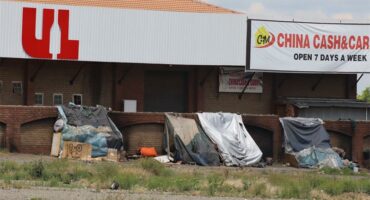
“Structures near informal settlements are particularly targeted. Cables are stolen from various institutions, including Eskom, Transnet, Prasa, municipalities and private properties such as farms and factories,” said Broodryk.
“The most sought-after type of cable in the sights of thieves is copper cables due to their high resale value.”
On a question on how this crime affects the economy, Broodryk said:
“The economic impact of cable theft is extensive. Eskom reports more than R2 billion in losses annually, while Transnet reported more than R1,6 billion in losses due to cable theft in 2022.”
“More than 20 000 cases are recorded countrywide every year and estimates place the overall economic impact – including indirect costs – between R7 billion and R10 billion annually,” Broodryk added.
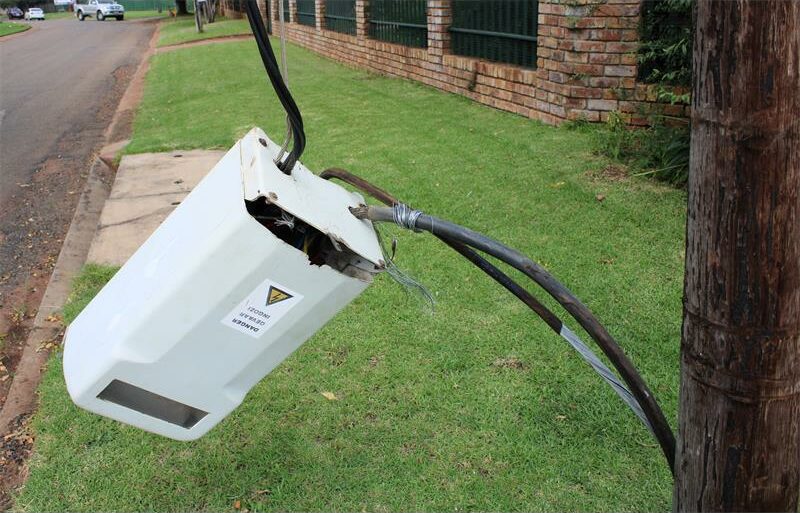
“The consequences of cable theft however go far beyond just the financial aspect – power outages affect businesses, households, hospitals and schools, among others.”
“The burning of cable casings causes air pollution,” Broodryk also said.
As in the case of the death of an alleged cable theft in Cullinan, cable theft can also lead to loss of life due to electric shocks. Broodryk added that although some cable thieves act opportunistically, many cable thefts are carried out by organised syndicates.
“They have vehicles, the necessary equipment and often even disguise themselves as contractors. In many cases, the syndicates carry out these crimes in collaboration with corrupt officials and scrapyards and some syndicates are also armed.”
The copper is then sold locally or internationally.
“Research shows that China is the largest buyer of scrap metal from South Africa and purchases about 85% of scrap metal, obtained through legal and illegal means.”
Broodryk said the organisation is currently developing a training module to empower its neighbourhood and farm watch members with the necessary knowledge to effectively tackle this extensive crime.