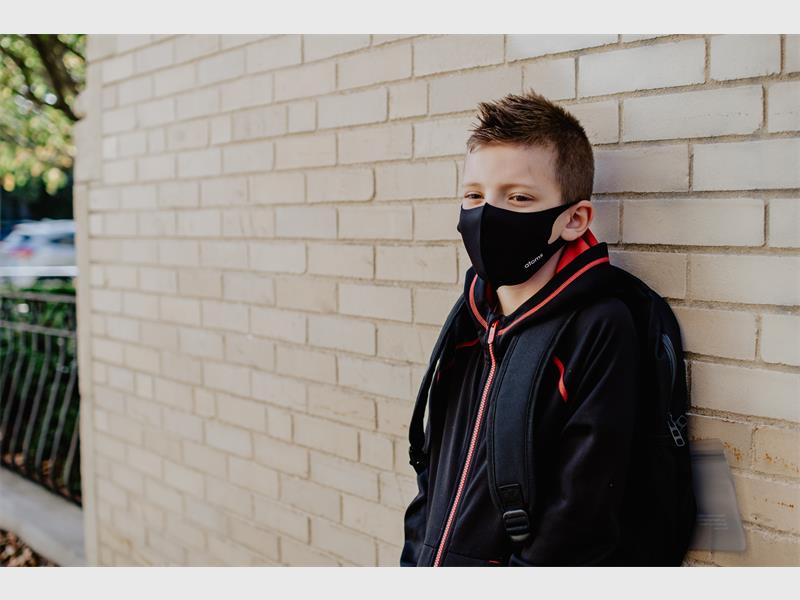
“If there’s one thing 2020 taught us, it’s to be wary of planning too far ahead,” said Philippa Brinkmann, head of learning support at Rustenburg Girls Junior School in Cape Town. It’s a worrying wrinkle in what should be a time of excitement and anticipation, as children prepare for the 2021 academic year – now starting in February, due to Covid-19-linked postponements.
“Buy only what’s absolutely essential for getting through the first term of 2021. Don’t invest in sports clothing and equipment at the moment – schools may not be allowed to offer their usual extramural activities, and kids may grow out of their sports clothing before they even get a chance to use it. When buying school uniforms, only buy for the summer season, as there’s too much uncertainty around whether a third wave of Covid-19 infections will occur during winter, in which case schools may close.”
A device and access to data are also essential. Hayley Friend, a teacher at Camps Bay Primary in Cape Town, agrees that a basic level of reliable, user-friendly technology is needed to keep up with distance learning. “Fast Wi-fi at home is ideal, and perhaps a tablet or smartphone of their own. Access to a printer comes in handy, as tangible notes are more engaging and therefore more memorable,” she said.
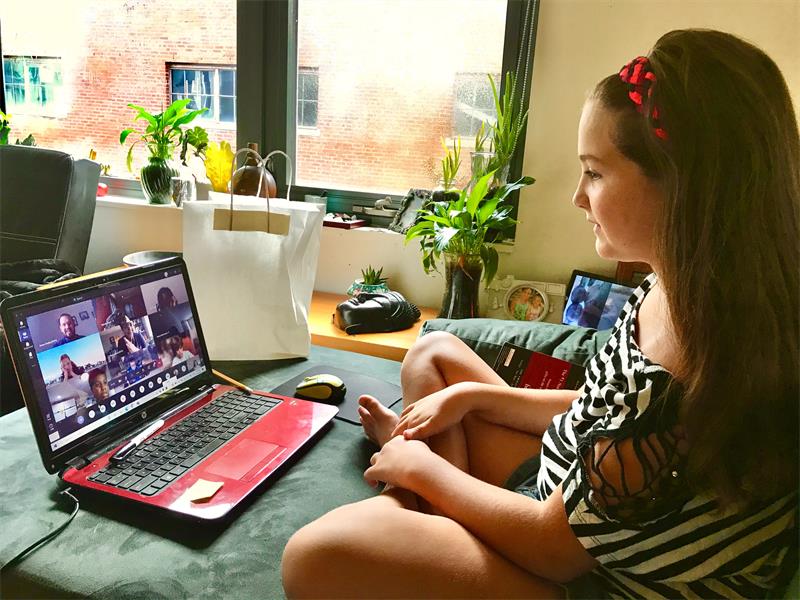
Access to affordable data is a South African problem – even in affluent areas – and parents/ caregivers are encouraged to reach out to their schools for help, as teaching staff can’t know the difficulties families face if they aren’t told about them, and schools may have contingency plans to help in situations like these.
The Tomorrow Trust, a Joburg-based non-profit organisation part-funded by the Datatec Education and Technology Foundation, which supports orphaned and vulnerable children throughout their educational journey, supplies smartphones and data (where relevant) to a thousand children between the ages of five and 18 in Gauteng and Western Cape townships. The Trust sets up WhatsApp groups moderated by teachers for their learners to get extracurricular support, as well as for their senior learners to participate in online webinars focused on career development, but also to nurture socioemotional skills.
“An area often neglected is the right emotional support kids should be getting during these extraordinary times,” said Reabetsoe Buys, who heads up the youth development programme at the Tomorrow Trust. To this end, Buys advised that parents/ caregivers should ensure the children’s day is structured with a set routine, allowing a set time dedicated to learning; engaging in fun activities as well, such as experiments, art and hands-on activities, to ensure the engagement of the creative as well as the logical brain; and recapping at the end of the day, which is helpful for parents to check in with their children and see if they’re on track, and also to encourage them to ask questions.
Mini whiteboards with markers also help, as kids can write up tasks, make mistakes, wipe them off, and start again. Regular breaks are vital, with a recommended 20–30 minutes study period followed by a 10-minute break. A mini-trampoline in the yard, a skipping rope or a punching bag can get kids up and moving, which can also aid in them learning while moving and having fun.