De Wet’s story of hope
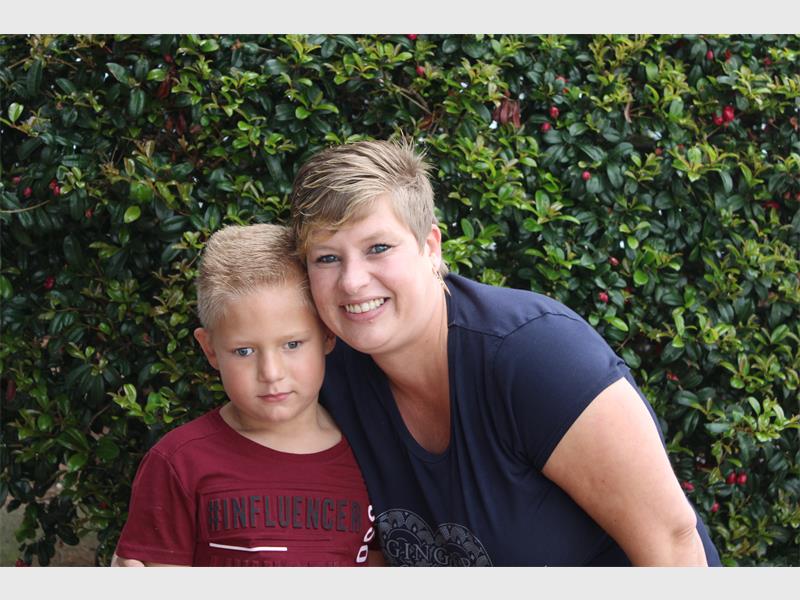
De Wet Viljoen was diagnosed with Bilateral Retinoblastoma at three months old, but he is now a very happy six-year-old boy.
Almost nothing is more heart-breaking than an unforeseen health issue affecting an innocent child, especially from a parent’s point of view.
Witpoortjie residents Marieta and Corné Viljoen never expected that their youngest son would be diagnosed with cancer at only two months old, especially because their other three children are completely healthy. De Wet was diagnosed in early May 2015 after his mother noticed something strange happening with the light reflected off his left eye. “I could almost see through it,” she said.
The initial diagnosis was that there was a tear in the little boy’s retina, but scans from a second opinion showed Bilateral Retinoblastoma, a rare form of cancer that develops from immature cells in the retina. “We were distraught. I can’t even describe the emotions I was feeling,” said Marieta.
By the end or May, the worried parents noticed a jelly bubble growing out of De Wet’s eye so they rushed him to the hospital where they were told the bubble was a tumour. A few days later, on 3 June, De Wet went into surgery and his left eye was removed. A few months later, scans showed more small tumours in the baby’s right eye, the biggest and most worrisome one being in his central vision. Terrified that their son may need to have his other eye removed, the Viljoens took De Wet to a specialist in Cape Town who said that their only option was chemotherapy.
On 2 December, the chemo port was inserted into the eight-month-old boy and the next day he started his treatments at Charlotte Maxeke Johannesburg Academic Hospital (Joburg Gen). De Wet went in for two days, every four weeks, for six months to complete his chemotherapy, after which he needed to go in for regular laser treatments to deal with the remaining cancer cells until he went into remission at three years old. Thankfully the cancer has not resurfaced, and the quality of De Wet’s prosthetic eye is so fantastic you barely notice it is there.
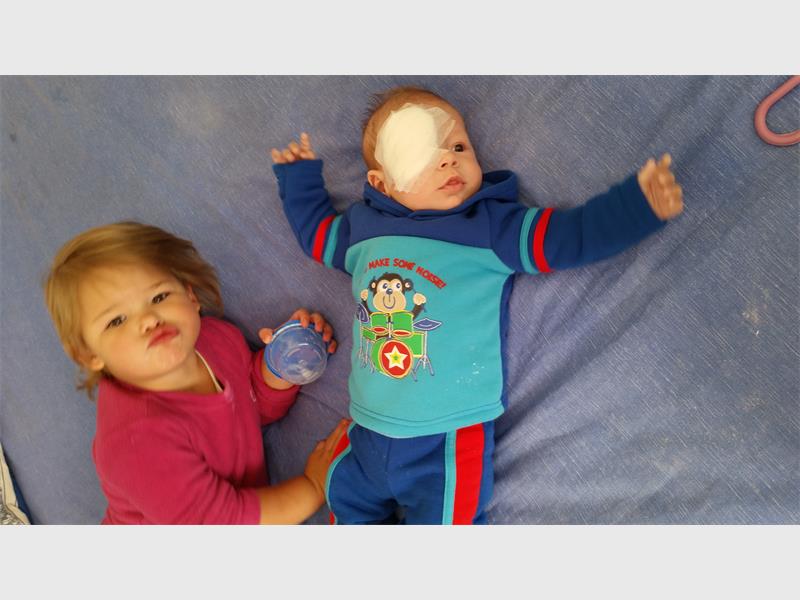
In the early stages of his remission, De Wet needed to return to hospital for an EUA (examination under anaesthetic) every two weeks to ensure that the tumours weren’t re-emerging. The frequency has since died down, and the little boy only needs to go back every six months until he turns seven, at which point it is uncommon for the tumours to resurface.
Apart from the effect of the cancer on De Wet, the emotional toll that the entire process has had on his family was unfathomable. The entire family was physically and mentally exhausted. De Wet’s siblings were worried about their brother, and his parents were under a huge amount of stress trying to keep him comfortable and happy. Marieta recalled her husband crying and blaming himself after the diagnosis. “Corné was diagnosed with retinoblastoma not long after he was born and his eye was also removed. We didn’t know that it was genetic so he told himself that he gave De Wet cancer,” said Marieta with tears in her eyes.
Marieta stressed the importance of a strong support system for the whole family. She said that everyone needed to be there for each other or they would never have gotten through it in one piece. “I see too many couples getting divorced after their children are diagnosed with cancer, when they should really be working together because they are the only two people in the world who know how the other is feeling,” said Marieta.
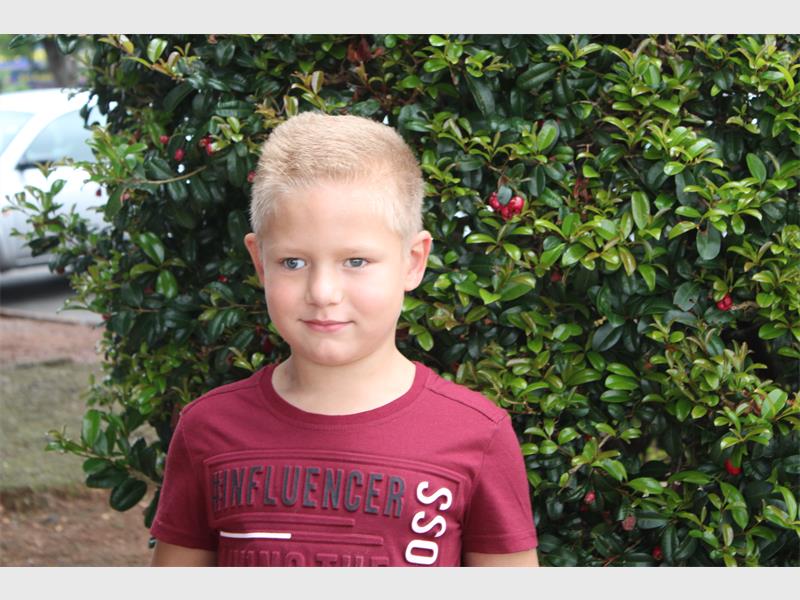
De Wet is set to start Grade R this year, and while he is as excited as he has ever been, his mom is in a panic but she knows he will be safe. Marieta’s advice to parents is to listen to their children and be vigilant because childhood cancer can be extremely hard to spot without tests because the symptoms, like headaches, are common with other, less serious illnesses. She recommended googling ‘Know the Glow’ which describes, in detail, the glow Marieta noticed in De Wets eye before he was diagnosed.
She concluded by urging doctors who aren’t absolutely sure about their diagnoses to recommend second opinions. There is no shame in making sure that the diagnosis is correct. It takes nothing to recommend a second opinion and possibly save a life.”