BEPR supports rescued penguins donation drive
The teams worked together to show their support and compassion, ensuring the rescued birds received the care they needed.
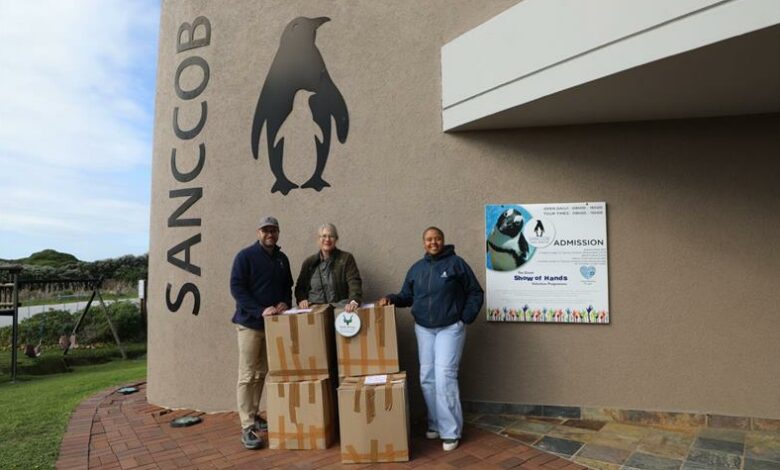
The Black Eagle Project Roodekrans has helped drive a co-ordinated conservation response to support African penguin rehabilitation efforts following flooding on Bird Island in Algoa Bay earlier this year.
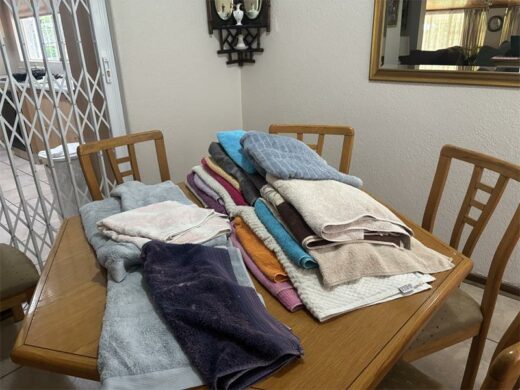
According to Gerald, the initiative was prompted by an appeal from the Southern African Foundation for the Conservation of Coastal Birds (SANCCOB) Gqeberha for donations of new and used towels, which are used in the care of rescued penguin chicks during rehabilitation. The towels help keep the birds warm and stable after being taken out of the affected nesting areas.
SANCCOB is a seabird conservation organisation that relies on public support and partnerships to provide essential rehabilitation materials for injured and rescued birds.
Also read: On Zeiss Market’s vibrancy continues to grow
In response, BEPR helped with organising the collection and movement of donated towels, working with several partners to ensure the supplies reached SANCCOB promptly.
Gerald arranged with Moya Cronje of The Pool Place in Blackheath to serve as a central drop-off point for donations. According to him, the venue has also agreed to continue supporting future conservation efforts by receiving and facilitating similar contributions.
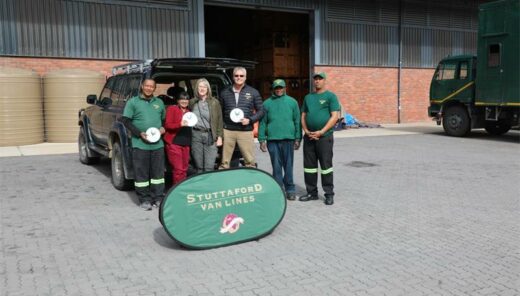
The appeal was also taken up by the West Rand and Johannesburg regions of the SANParks Honorary Rangers, who assisted by collecting donations from their members. Further logistical support was provided by Stuttaford Van Lines in Chloorkop, which sponsored the transport of about 70kg of towels to the SANCCOB depot in Gqeberha.
Draper said the consignment was initially received at Stuttaford van Lines in Greenbushes before being collected by Wendy Dreyer of the SANParks Honorary Rangers Addo Region and delivered to SANCCOB over the weekend, where it was received with appreciation.
Gerald expressed his appreciation to all those involved, saying the initiative demonstrated the strength of collaboration in wildlife conservation and the value of community-driven support in times of environmental crisis.