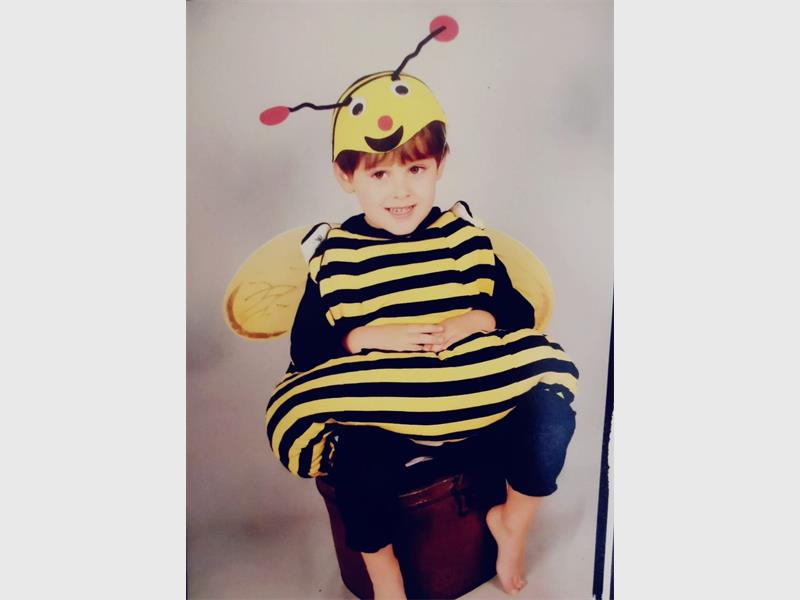
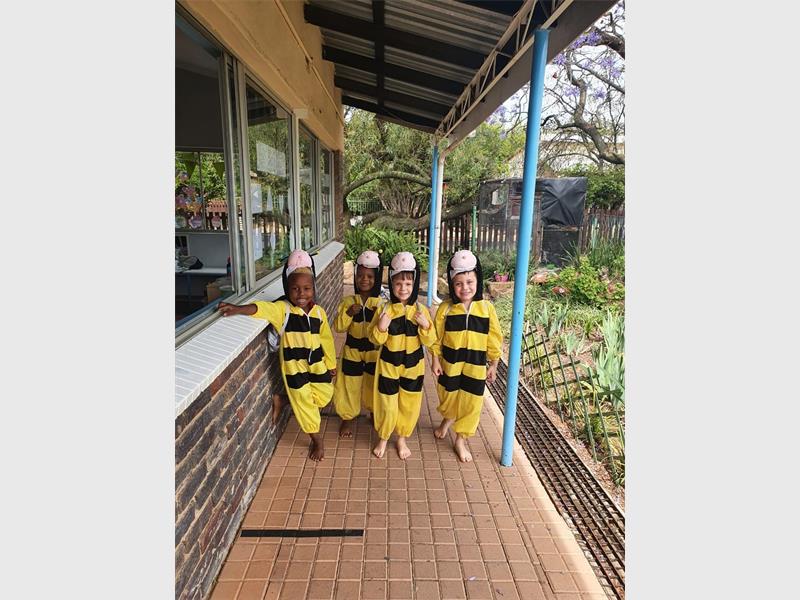
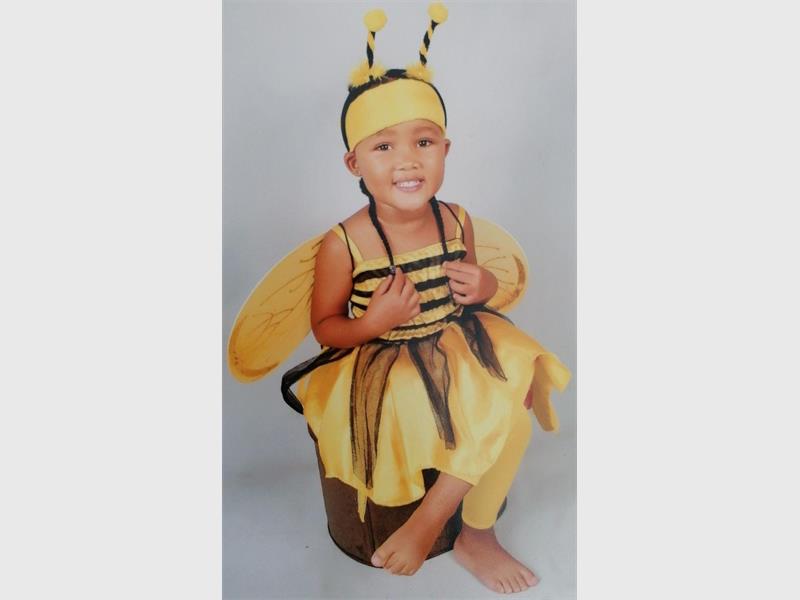
On Thursday, 20 May Junior Colleges (Snuggles) staff and learners celebrated World Bee Day in an effort to raise awareness about the importance of bees and beekeeping.
The United Nations (UN) designated 20 May as World Bee Day to raise awareness of the importance of pollinators, the threats they face and their contribution to sustainable development. 20 May 1734 was also the day on which Anton Janša, the pioneer of beekeeping was born.
The greatest contribution of bees and other pollinators is the pollination of nearly three quarters of the plants that produce 90 percent of the world’s food.
“Bees are both terrifying and interesting to many children. Since bees can sting most children have an unhealthy reverence for these fascinating insects.
“As a school we believe it is critical to teach children about bees so that they can appreciate them, as well as understand their importance,” said Grade 000 teacher, Mellisa Schoeman.
Bees and other pollinators, such as butterflies, bats and hummingbirds, are increasingly under threat from human activities.
Pollination is a fundamental process for the survival of the ecosystems, while nearly 90 percent of the world’s wild-flowering plant species depend entirely, or at least in part, on animal pollination, along with more than 75 percent of the world’s food crops and 35 percent of global agricultural land.
Not only do pollinators contribute directly to food security, but they are key to conserving biodiversity.