Elderly learn about stroke awareness
The elderly residents learned how to recognise the symptoms of a stroke
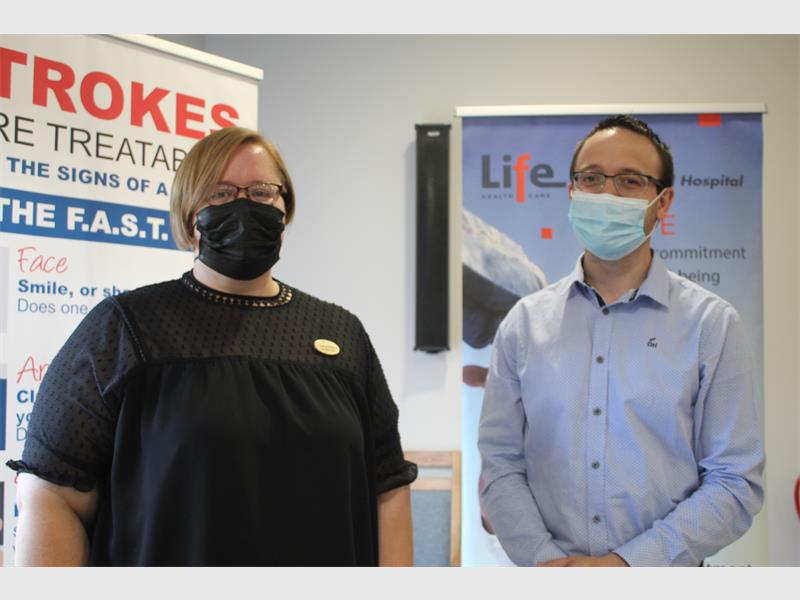
Four hours. That is the window of time to avoid disability and get medical assistance after someone has suffered a stroke. The elderly residents at Celebration Retirement Village were addressed by Dr Michael-Robert Waldeck from Life Wilgeheuwel Hospital, on the symptoms of a stroke, and to prevent it.
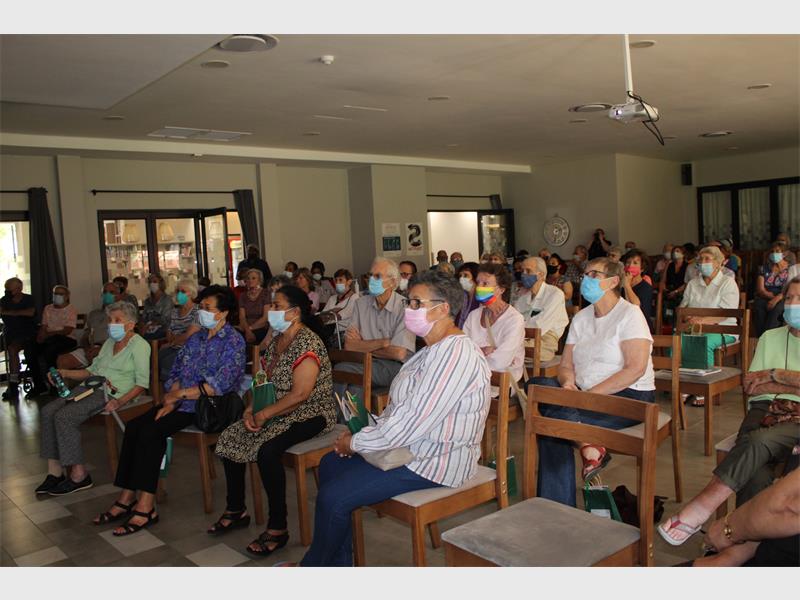
Dr Waldeck started with a graphic presentation that showed what happens when a person suffers a stroke. “That’s a blood clot over there and it’s going to travel all the way up along the blood vessels into the brain and get stuck in the brain, cutting off all the blood supply to that side of the brain,” he explained. “That’s why you get a sudden onset of symptoms. Next, the brain tissue becomes paralysed and there is an instant onset of early symptoms.”
According to the doctor once brain tissue has died it cannot be restored or salvaged. That is why identifying the early phases of a stroke is essential to receive proper medical care.
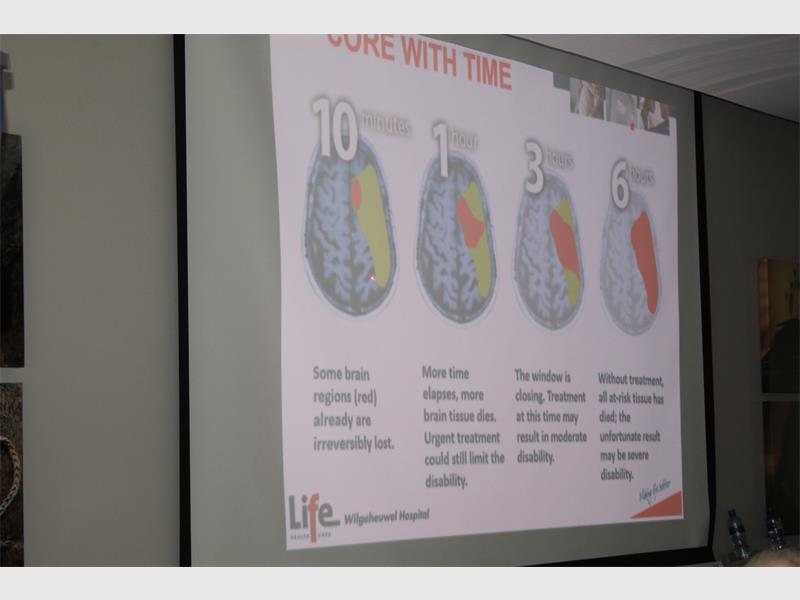
There are two types of strokes. The ischaemic stroke is when blood vessels are blocked and brain tissue is affected. That is the majority of strokes. The haemorrhagic stroke which accounts for 10 to 15% of strokes is, “… when you bleed into your brain. You will follow a very different treatment pathway with this type of stroke.” He further explained the transient ischaemic attack, otherwise known as a mini-stroke. “That’s when you get temporary symptoms from a stroke but they resolve within 60 minutes. That’s usually due to the blood clot either going right through the blood vessels, or treatment is administered that dissolves the blood clot and blood flow is restored.”
The early symptoms of a stroke include:
• Sudden numbness or weakness of your leg, arm or face
• Sudden confusion or trouble speaking; speech can slur
• Trouble vision in one or both eyes
• Sudden dizziness or loss of balance
• Sudden severe headache with no known cause
If you suspect someone is having a stroke, get medical help immediately. In the interim, you can do the F.A.S.T test. This is:
F – Face. Ask the person to smile. (In the event of a stroke the face will be droopy)
A – Arms. Ask the person to raise both their arms. (In the event of a stroke one side will be weaker)
S – Speech. Ask the person to say a simple sentence. (In the event of a stroke their speech might slur or they might be unable to speck entirely)
T – Time. Time is of essence