Survivors’ Empowerment Program to help community members work through traumatic experiences
When someone goes through a traumatic experience, like for example a hijacking, the act might happen very quickly - but the experience is something that they carry with them for the rest of their life.
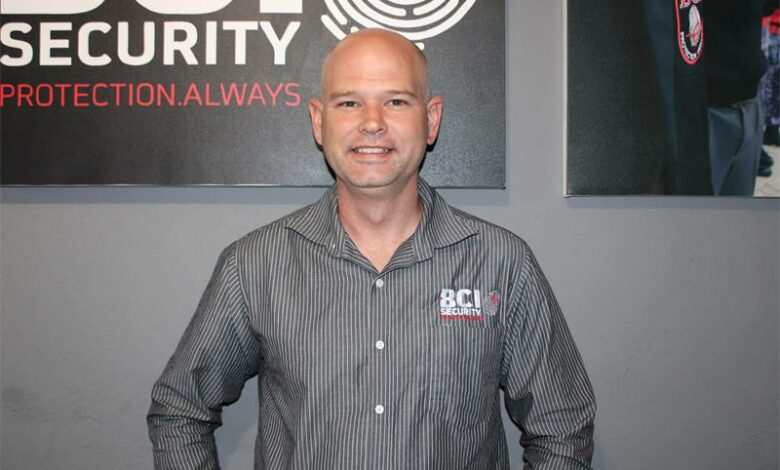
We frequently rely on security companies to protect our belongings, but local security firm BCI Security has developed a programme to provide community members with a holistic approach when responding to crime scenes where individuals have experienced emotional or mental trauma.
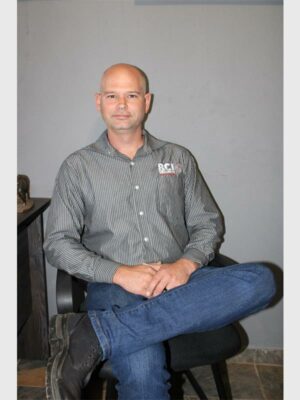
The Survivors’ Empowerment Program (SEP) is led by Paul Catlett, 38, who studied Psychology and Criminal Psychology at university.
“We use the word survivor rather than victim to break the cycle of learned helplessness. This programme is designed to assist people who have survived traumatic experiences by teaching them how to adjust to their new normal,” Paul elaborated.
Paul previously worked as the West Rand District Public Relations Officer for the Community Police Forum (CPF). “I had been laid off from my job and immediately approached BCI. I told them that regardless of the remuneration, I would like to join their team because I want to be involved in the security industry full-time and I want to be able to give back to communities because I’ve always been very passionate about giving back,” Paul explained.
When someone goes through a traumatic experience, like for example a hijacking, the act might happen very quickly – but the experience is something that they carry with them for the rest of their life.
“That’s where the new normal comes in, unfortunately they will have to live with that experience and that’s where we would like to step in and help them adjust to the new normal.
“Immediate support means establishing what their support structure is, so for example, if they broke into the person’s house, and they felt uncomfortable staying in that house for the night – do they have a support system where they will be able to go and stay for the evening,” Paul explained.
Paul added that they are sometimes called to an active crime scene and must balance both physical and psychological support.
“So it’s going in and asking, for example, ‘Is your 10-year-old child okay? Is he on his way somewhere? Is there anything he needs to take with him?’ That sort of thing.
“We make an appointment to come see them within 24 hours to do what we call a trauma session. So we’re basically looking at a person’s physical safety. We’re looking into their emotional well-being. We’re looking into their psychological well-being. Now, we incorporate things like, do they have a spiritual support structure or a spiritual viewpoint, into the psychological safety. Because we can then connect them with someone who can help them work through the trauma in a way that is comfortable for them.”
While the SEP is still in its early stages, Paul stated that they have received a lot of positive feedback.
“We’ve already had a few inquiries about how community members can get involved. Because I’m only one person, there will undoubtedly be growth in this particular department. On a daily basis, we may encounter 15 to 20 cases. So, the more people who get involved, the more survivors we can help. What’s also important to note is that we’re going to cultivate it in such a way that we have people from various cultural backgrounds who can be applied to cases based on specific criteria.”
The programme provides services to anyone in need of trauma counselling following a traumatic event, but they also have resources outside of BCI that they can connect individuals to.
“First and foremost, we would like to see this department function as a self-sustaining structure within BCI. It’s something we’ll definitely be cultivating and pushing forward in the coming years,” Paul added.
How do we go about safeguarding our thought patterns to ensure that what we’re thinking is rational and sound?
“So it will not be the old normal; it will be the new normal. How are we going to move forward and make sense of our lives from here? How do I deal with it? It’s very real, because I believe that so many people today are traumatised by highly stressful events. And they carry this trauma without working through it which will then become subconsciously manifested in various other behaviours,” Paul explained.
“They may come home and be insecure about their relationships with their husbands or wives. They may distance themselves from people in their work relationships because they don’t understand why. These are just some examples of how that traumatic experience may now be manifesting itself in their personal lives. It is critical to address these traumatic experiences as soon as possible. We want to assist people in finding their new normal.”
The SEP is available to assist all community members who require trauma counselling at a crime scene. Paul is available at the BCI Security Call Center seven days a week.