Measles: All you need to know
"Measles infections are not restricted to specific risk groups or geographical areas, but can occur anywhere in South Africa."
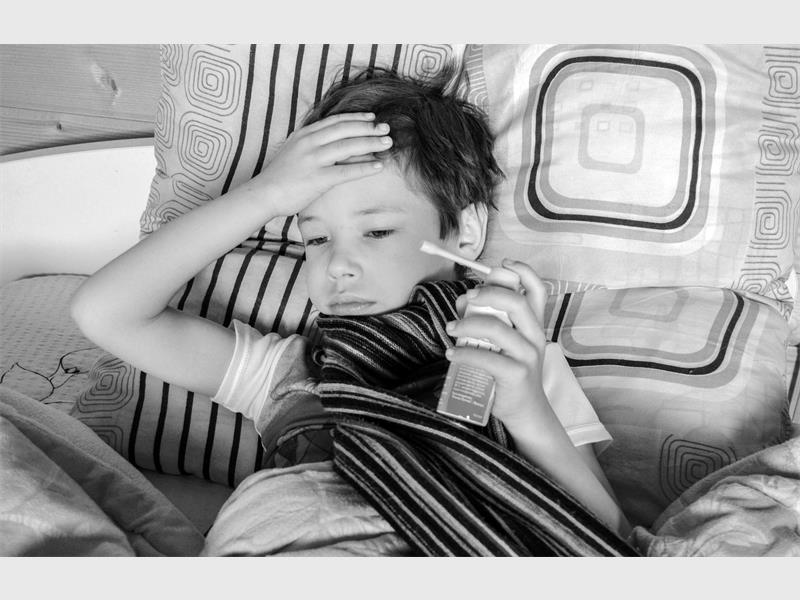
Help curb the spread of measles in schools and communities!
Readers might ask themselves “Wait, what exactly is measles?”
The measles virus causes a highly contagious disease. Patients with measles have a fever and a rash. The rash appears as small, red, flat spots that begin on the face/ head and spread downwards across the body. The rash does not blister, and it is neither itchy nor painful. Cough, conjunctivitis (red eyes), and coryza are also symptoms (running nose). Diarrhoea, dehydration, middle ear infection, brain infection (encephalitis), blindness, and death are all possible complications of measles. Complications are more severe in young infants (under 2 years of age), malnourished children, and immunocompromised people.
According to the Department of Health (DOH), anyone who is not immune to measles can contract it from someone who is infected. A person who has had measles is immune to the virus. Another way to become immune to measles is through vaccination. Individuals who have been immunised are mostly protected from severe measles symptoms for the rest of their lives. When more than 5% of people are not vaccinated, a community becomes vulnerable to measles outbreaks.
“Measles infections are not restricted to specific risk groups or geographical areas, but can occur anywhere in South Africa. Cases can be found in communities as well as institutions such as crèches and day care centres. Adults who were not vaccinated as children are also at risk of measles when visiting areas where measles cases have been reported or where measles is prevalent,” they added.
When a large number of measles cases appear in a specific area in a short period of time (three or more cases in a health district within four weeks), this is referred to as an outbreak, and public health interventions are required to control the disease’s spread. In 2009, South Africa experienced a large outbreak of measles, with over 18,000 confirmed cases.
Now, readers are probably wondering, “How does measles spread?”
According to the DOH, measles is spread through contact with saliva or mucus droplets from an infected person’s mouth or nose when they breathe, cough, or sneeze. In enclosed areas, these droplets can remain airborne for up to two hours and infect susceptible individuals. The measles virus is one of the most contagious viruses known to man.
What should you look out for to spot someone with measles?
Measles usually begins with a high fever, rash, cough, runny nose, and conjunctivitis. The rash begins in the head and spreads throughout the body. Koplik spots (white spots) in the mouth can also be an indication of measles, but these can be difficult to detect, especially when health care workers haven’t seen many cases of measles. People with weakened immune systems as a result of HIV, cancer, or other diseases frequently do not develop a rash. Measles can cause complications such as pneumonia (lung infection), blindness, diarrhoea, dehydration, brain infection (encephalitis), and death.
Ok now that you’ve spotted someone who might have measles, how does a doctor confirm the diagnosis?
Measles should be suspected in anyone who has a fever and a rash. Because the rash of measles is very similar to that of other viral infections (such as German measles), the diagnosis should always be confirmed by a blood test. A throat swab taken within five days of the rash’s onset can also be sent to the laboratory with the blood sample. Measles is a reportable disease, and public health officials will investigate every case to prevent outbreaks. The patient’s blood should be drawn and sent to the NICD Centre for Vaccines and Immunology.
Can measles be treated?
The DOH explained that because there is no specific treatment for measles, treatment focuses on alleviating symptoms and preventing complications. To avoid eye damage, all children with measles should be given vitamin A.
Measles can be avoided through vaccination. In South Africa, the measles vaccine is part of the expanded programme on immunisations (EPI). The measles vaccine is given at 6 and 12 months of age. Measles vaccine is also available in the private sector and military health care facilities as part of a combination known as measles, mumps, and rubella (MMR) vaccine. MMR is usually given at the ages of 12 and 18 months. It is never too late to catch up on measles vaccination if a dose was missed.
To find out more about Measles, guidelines and case investigation forms may be found on the NICD website at www.nicd.ac.za/ under the ‘Diseases AZ’ tab.