Madlanga Commission hears claims of tender interference and police-linked influence
This week's Madlanga Commission testimonies, evidence and cross-examination crack hidden irregularities in the City of Tshwane.
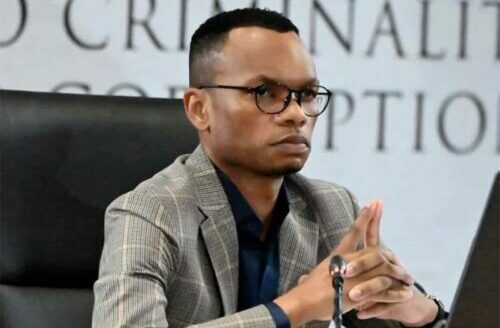
The Madlanga Commission, established by President Cyril Ramaphosa and chaired by Justice Mbuyiseli Madlanga, is investigating allegations of corruption and misconduct in the criminal justice system, with a focus on improving accountability and restoring public trust.
Hearings held from April 17–23 at the Brigitte Mabandla Justice College focused on alleged interference in the City of Tshwane’s R2.9 billion security services tender. The Commission examined the roles of municipal officials, SAPS-linked individuals and intermediaries accused of exerting informal influence over the procurement process.
Also read: Murder accused Meek details her version of events in court
Suspended Tshwane CFO Gareth Mnisi was the central witness, testifying from April 17–21. He described his interactions with SAPS-linked intermediary Sgt Fannie Nkosi as social, but conceded that Nkosi sent him lists of security companies during the active tender process. Mnisi denied any corruption or inducement, but acknowledged that he did not recuse himself from the Bid Adjudication Committee or report the communications. Under cross-examination, he admitted handling the interactions informally, while the Commission questioned his understanding of conflict-of-interest obligations.
On Wednesday, April 22, the Commission revisited evidence involving Brigadier Nkweshu of the police’s organised crime unit, testing his earlier testimony against new documentary evidence. Nkweshu denied an improper relationship with a private contractor, maintaining that a R70 000 payment was a personal loan.
However, bank records, call logs and SAPS-linked documentation raised concerns about inconsistencies in his version, including contact with the contractor during a sensitive investigative period. He was also confronted with evidence suggesting involvement in assisting with a police-related invoice. Testimony further placed him in contact with alleged organised crime figure Katiso “KT” Molefe, including a visit linked to ongoing investigations. Under cross-examination, he conceded that parts of his earlier account were inaccurate.
Thursday’s proceedings examined Inspector L Phiri’s conduct through documentary evidence presented by Commissioner Spies. The Commission reviewed Tshwane Metropolitan Police Department communications and escalation records linked to a 2025 report alleging that Phiri issued unauthorised instructions to Gubis 85 Solutions, a private security company that was awarded a significant share of TMPD security contracts, regarding security deployments outside his mandate.
Evidence pointed to delays between the initial reporting of concerns and formal investigative action, highlighting weaknesses in oversight, particularly where allegations involved operational policing instructions linked to procurement.
Also read: Murder for hire: Accused denied bail
Although not called as a witness, Nkosi remained central to the week’s evidence. WhatsApp messages attributed to him showed bidder lists being shared during the tender process, along with references suggesting awareness of political involvement. A R500 payment to a journalist, initially denied but later confirmed, was also presented as evidence of his intermediary role. His communications were repeatedly cited during Mnisi’s cross-examination.
The week’s proceedings highlighted concerns about informal communication influencing procurement, failures to manage conflicts of interest, and delays in responding to corruption warnings. The evidence points to systemic weaknesses in oversight, escalation and accountability.