Meet your Freedom Front Plus mayoral candidate
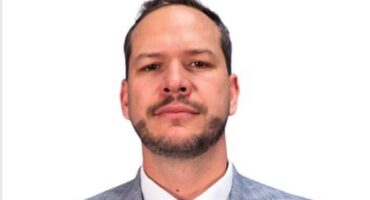
Freedom Front Plus' mayoral candidate for the City of Johannesburg Franco de Lange in the hot seat...
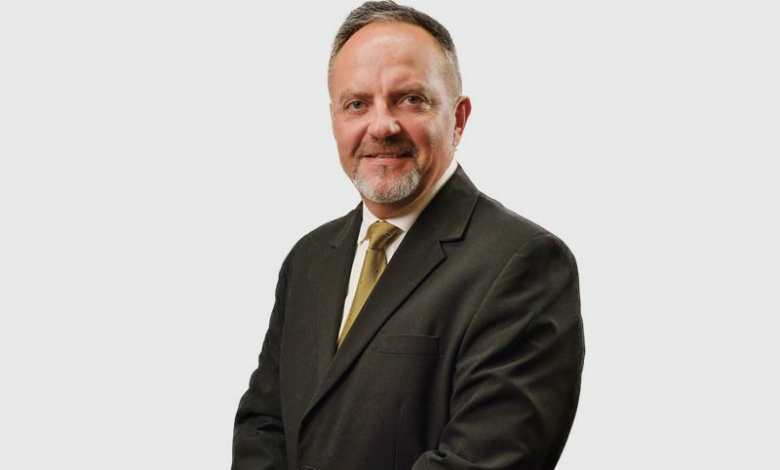
The Roodepoort Record put out a call for mayoral candidates to answer some questions ahead of the local government elections on November 4.
Below are the responses from the Freedom Front Plus mayoral candidate, Franco de Lange:
Q: Johannesburg is South Africa’s economic centre but faces serious challenges involving infrastructure, electricity, water, roads and waste. What would be your top three priorities for restoring basic services?
A: As the City of Johannesburg is currently about R200b behind on infrastructure maintenance backlogs due to mismanagement of funds, we have to start somewhere in Roodepoort. My priority will be road infrastructure, potholes, traffic lights and street lights.
Q: Johannesburg has a large number of candidates contesting ward seats in the 2026 elections. How will you ensure your ward councillors remain accessible to residents, understand the issues in their communities and are held accountable for addressing local service-delivery problems?
A: When FF Plus Candidates are elected, we are trained to keep the residents informed and provide constant feedback through personal contact and social media groups. Last year we launched a WhatsApp Channel, ‘VF Plus Roodepoort dienste/services updates’, where we keep Roodepoort residents informed of large water and electricity outages.
Through our regional admin, we must provide feedback on municipal issues received and make contact with residents regarding their municipal complaints.
Q: What is your plan to address the city’s electricity and water infrastructure backlogs?
A: At the FF Plus, we campaign for smaller municipalities, as it was from 1995 to 2000 and before Roodepoort was a standalone municipality.
‘My Tax My Community’ is my slogan for this election. Why must our taxes be misused and allocated to other areas while our own infrastructure is crumbling and falling apart?
This approach will ensure our taxes are spent in Roodepoort, and these funds are ring-fenced to make sure our roads, water, sewer and electricity networks are serviced and maintained. This will be done by employing proper contractors with the relevant experience to do the job.
Q: Johannesburg has significant informal settlements and rapidly growing demand for housing and municipal services. What is your strategy for managing this growth?
A: The city, provincial and national government is living in the past with the brick-and-mortar building of houses and handing out tenders to dishonest individuals to build houses for the poor; some of these projects are never completed or up to building standards and start cracking and falling apart in a few years.
In today’s time and age, there is new technology available to build houses for the poor quickly and cost-effectively, but we need vetted, honest, transparent contractors with a good track record to receive these tenders.
To formalise informal settlements will not be an easy task, as legal residents must be moved into transitional housing before their area can be formalised and building can begin.
The city must first plan and budget for this, to move legal residents out of these shacks and into proper transitional housing.
Q: How would you attract investment while addressing the deterioration of public infrastructure and services?
A: In the south of Roodepoort, in the old mining belt, the city must rezone this area and, through legislation into Special Economic Zones (SEZs) where companies especially big factories can come and set up shop to create jobs and receive tax benefits to attract investments.
Decentralise the metro into smaller municipalities and let Roodepoort stand on its own feet, and the taxes residents pay must be ploughed back into our region’s infrastructure, upkeep and maintenance.