Florida South residents up in arms over City Power audit demand
City Power insists on an 80% vending threshold before replacing faulty infrastructure, leaving residents in Kathleen and Naomi streets without power.

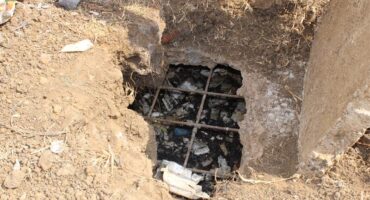
Residents in Kathleen and Naomi streets in Florida South are up in arms over City Power’s insistence on performing a vending audit before replacing a faulty mini-substation supplying the two streets with electricity.
The entity has implemented a city-wide directive not to replace costly infrastructure where an 80% vending threshold is not met.
This means that at least 80% of households must be legally purchasing their electricity before City Power will replace the infrastructure.
According to City Power general manager for public relations and communication Isaac Mangena, this forms part of the entity’s standard normalisation process aimed at ensuring that customers are properly metered and pay for the electricity they consume.
• Also read: Constantia Kloof faces electricity audit after mini substation vandalism
City Power’s threshold policy
“It includes meter audits and verification of electricity vending patterns to establish compliance within an affected supply area,” he said.
“The process is intended to support a safe and sustainable electricity network by ensuring that newly repaired or replaced infrastructure is not subjected to unsustainable demand or repeated damage.
“City Power has to ensure that electricity infrastructure is replaced and maintained sustainably.
“Revenue from electricity purchases is essential to maintaining the network, replacing infrastructure and continuing to provide services to customers.
“Should the audit confirm that the affected area meets the 80% threshold, City Power will proceed with the procurement of a replacement mini-substation. Installation will be prioritised once the required infrastructure becomes available.”
Entity defends normalisation project
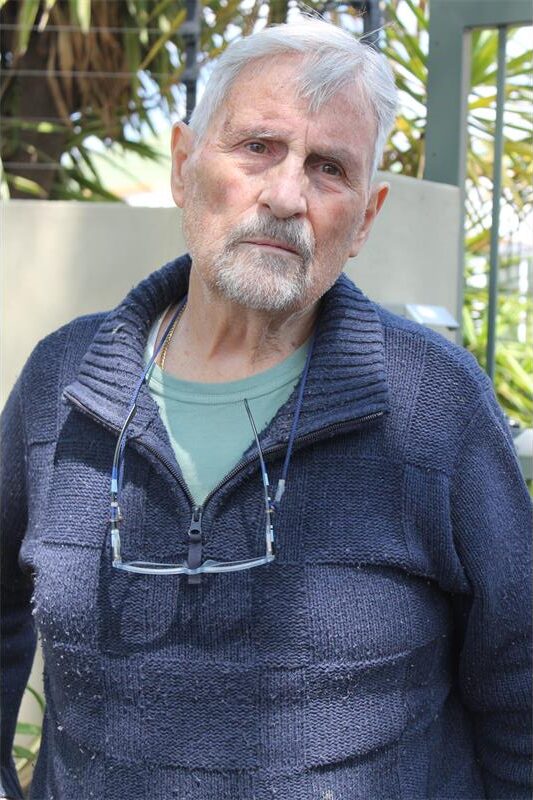
Reacting to complaints that the entity’s normalisation project unfairly affects paying customers, Mangena said the entity does not regard the vending audit as a punitive measure against customers who purchase electricity.
“Whenever City Power has to replace electricity infrastructure, particularly costly infrastructure such as a mini-substation, it must establish the level of compliance within the affected supply area before committing to replacement infrastructure.
“The audit determines whether customers connected to the affected infrastructure are purchasing electricity for the supply they consume.
“Revenue generated through electricity purchases is essential to maintaining the network, replacing infrastructure, responding to faults and continuing to provide services to customers.
“The 80% vending threshold is therefore part of City Power’s normalisation process and is applied across the network, rather than being a requirement imposed selectively on Kathleen and Naomi streets or any particular community.
“The process is also intended to address the sustainability of the electricity network. Installing replacement infrastructure in an area where a significant proportion of customers are not purchasing electricity places additional financial pressure on the organisation and undermines its ability to maintain and renew infrastructure.”

Timeline of the outage
The electricity outage was, according to Mangena, first reported on September 30.
He added that, due to the number of medium voltage outages at the time and the adverse weather conditions, a team could only investigate on October 1.
“They managed to repair the damaged cables affecting some of the streets and restore electricity.
“It was, however, determined that the transformer at the Naomi Street mini-substation was damaged and needs to be replaced.”
The audit kicked off on Friday, October 2, but no indication was given about how long it would take.
Mangena added that the entity could not give a timeframe for the procurement of a new mini-substation should the threshold be met.