Baby sanctuary opposes new amendments to criminalise Baby Savers
This comes after the Gauteng Department of Social Development gazetted an amendment to the Children’s Act that expands the definition of “abandonment” to include leaving infants at baby savers.
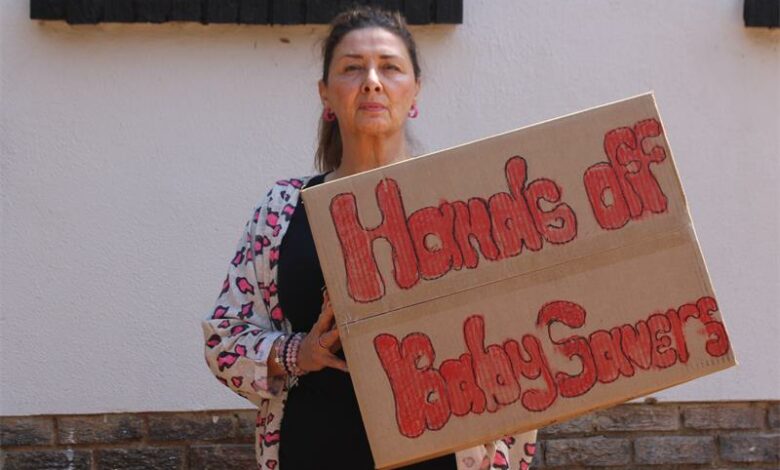
A proposed amendment to the law that would criminalise mothers who anonymously relinquish their infants in baby-saving devices has drawn widespread criticism from child protection organisations, including Just in Time Baby Sanctuary, owned by Georgina Caetano.
The Gauteng Department of Social Development (GDSD), which oversees the Children’s Act, has proposed classifying any baby safely relinquished through a Baby Saver as “abandoned”.
Baby Savers are anonymous drop-off points designed to prevent unsafe abandonment. When a baby is placed in one, multiple stakeholders are alerted – including the police, security companies, and social workers. The infant is then placed temporarily in the care of the organisation until a permanent home is found.
• Also read: Two-day old baby girl found just in time
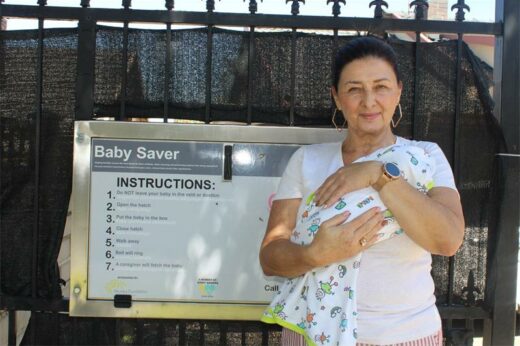
GDSD argues that the practice is illegal and unsupported by law, citing concerns about child abandonment and children’s rights to family and cultural heritage. The department also claims Baby Savers remove the mother’s responsibility to parent.
Caetano told the Roodepoort Record she has been unable to operate her baby-saving device since GDSD issued a directive in 2023 declaring all baby boxes illegal and ordering their closure.
“When I moved into my new property earlier this year, my landlord informed me that I cannot install the baby saver because they cannot be linked to anything ‘illegal’,” she said, adding that the ongoing legal dispute could lead to an increase in unsafe baby abandonments and endanger newborn lives across South Africa.
• Also read: Second chance for abandoned babies
“In South Africa, heartbreaking cases of baby abandonment continue to surface, with infants left in open fields, toilets, and dustbins. That is the reality.
“Research shows that women who abandon their infants are desperate – often victims of gender-based violence, forced prostitution, and poverty – and have been abandoned by their families or partners.
“This amendment is highly concerning, as Baby Savers were introduced as a life-saving measure — a last line of hope for desperate parents who would otherwise dispose of their babies in unsafe and dangerous places. Criminalising their use removes a vital safety net and could directly lead to more unsafe abandonments and infant deaths.
“We are not fighting the department; we are inviting them to work with us,” she added.
In a statement released on 1 October, GDSD reiterated its position, stating that Baby Saver operations are illegal in terms of the Children’s Act 38 of 2005, as amended.
“The department’s stance is within the ambit of the law. Mothers have a right to state upfront that they want to relinquish their child. They also have a legal obligation to safely relinquish their child to families, or within the childcare system,” the statement read.
“Relinquishing a child safely does not mean remaining anonymous – anonymity equates to abandonment.”
Caetano disputes this, saying that in reality, childcare systems, social workers, adoptions, and abortions are not easily accessible, and mothers are often judged when seeking help.
• Also read: Baby Saver saves little boy
“Within two weeks, two young girls we know of refused to give their babies up for adoption despite their parents’ consent. Both were denied hospital discharge and made to bond with their babies.
“Others complain that social workers are ignoring them, while some have been refused statutory services for children placed in a Baby Saver,” she said.
Caetano urged residents and civil society organisations to oppose the proposed change before it becomes law. Objections must be submitted by email to mathlogonolo@dsd.gov.za, ntopot@dsd.gov.za, or luyandamt@dsd.gov.za by October 25.
Community members shared their views on the gazetted amendment:

Luyanda Mzobe: “Shutting down Baby Savers would harm vulnerable babies and mothers. Mothers give up their infants out of love, not neglect, due to economic hardship. Social grants are insufficient, and these organisations provide vital care. Instead of closure, the department should enhance support for struggling families.”

Brandon Kincaid: “Sadly, the department deems Baby Savers illegal. If the organisation is registered as an NPO and has a proper structure, let it be. Why destroy something good and working? Baby Savers give many infants a second chance at life.”
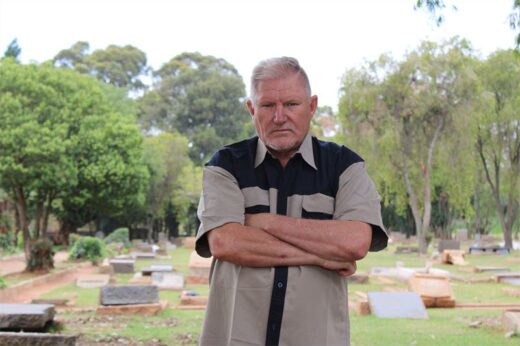
Hector Rouxmouth: “Before declaring Baby Savers illegal, the department should educate women about female condoms. Men often refuse to use protection and then abandon the mothers. Closing these institutions will cause more harm – leading to illegal abortions and more babies found in toilets and dustbins.”

Jennie Dallas: “Baby Savers play a crucial role in supporting babies born into difficult circumstances. Unplanned pregnancies happen, especially when contraception is inaccessible or unaffordable. In extreme poverty, mothers face impossible choices. Baby Savers offer a safety net, ensuring infants receive the care and nourishment they deserve.”