St Gabriel’s Anglican Church stands together with GBV victims
The church in partnership with Diocese of Johannesburg and Hope Africa hosted a GBV workshop.
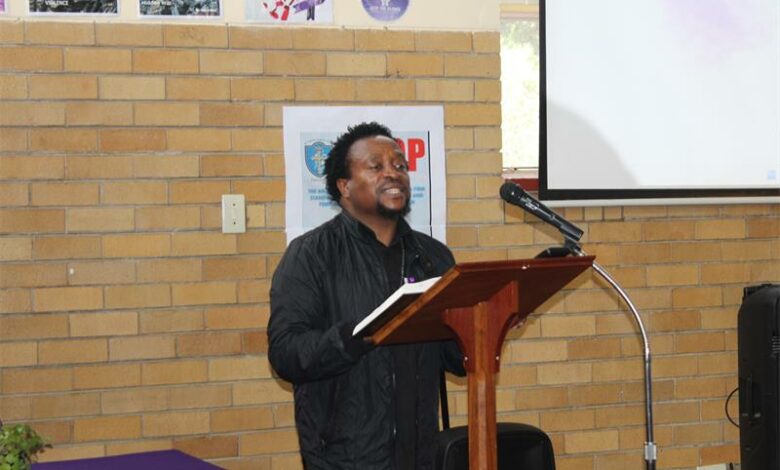
The St Gabriel’s Anglican Church pastoral care team, in partnership with the Diocese of Johannesburg and Hope Africa, hosted a gender-based violence (GBV) workshop aimed at empowering members of the church with practical tools, theological grounding, and pastoral strategies to combat violence in communities.
The government recently declared GBV a national disaster following an online campaign, countrywide protests and the G20 Women’s Shutdown on November 21.
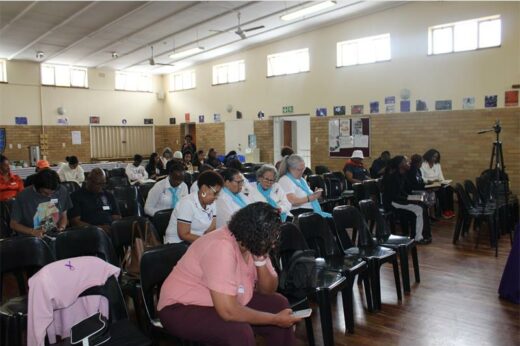
The workshop brought together about 50 participants, including youth, Mothers’ Union members, a Diocesan executive, the Anglican Women’s Fellowship Diocesan Executive, and St Gabriel’s Women in Ministry. Their participation demonstrated a united, intergenerational commitment to ending GBV.
The programme featured scriptural reflection, real-life case studies, and open dialogue.
Reverend Theo Khanyile, the Diocesan head of the Gender Team, delivered a powerful reflection on The Tragedy of Tamar (2 Samuel 13), urging the church to confront the silence and complicity that often surround abuse.
He also reflected on the high rates of violence and crime in the Roodepoort and Florida policing areas, which, like many parts of South Africa, experience extremely high levels of violent crime.
“Men are frequently both the perpetrators and the victims of this violence. Women remain the most affected, such that one may look at South Africa as a country at war.
“This ongoing cycle of trauma and aggression has a severe impact on mental health, contributing to PTSD, anxiety, and other psychological challenges. Many men suffer in silence because society teaches them to ‘tough it out’. Depression, anxiety, and even suicidal thoughts are common realities, yet they are rarely discussed. And even when men do seek help, support is often inaccessible,” said Khanyile.
Canon Delene from Mark of Hope Africa facilitated a sobering case study involving a respected deacon who murdered his wife, highlighting the hidden nature of abuse and the need for stronger pastoral accountability.
The workshop also explored the role of men in addressing GBV, examining how patriarchal norms contribute to violence and how men can become advocates for safety, dignity, and equality.
Participants reaffirmed their commitment to:
• Speak out boldly against GBV
• Create safe pastoral spaces for survivors
• Build partnerships with shelters and community organisations
• Strengthen visibility of advocacy initiatives within the Church
16 Days of Activism
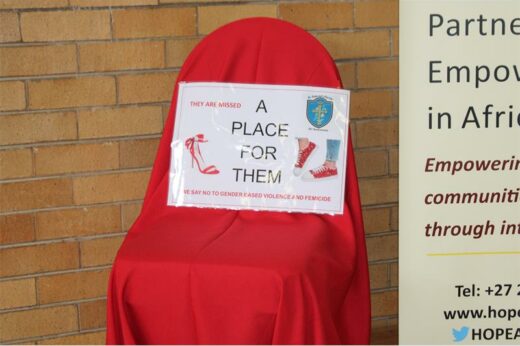
In support of the global 16 Days of Activism campaign, church members across the Diocese were encouraged to display a red-covered chair surrounded by shoes representing women, men, and children affected by violence.
The installation served as a powerful public symbol of remembrance and advocacy. The members also incorporated a special prayer into their liturgy and lit candles on the two Sundays within the 16 Days of Activism, reinforcing the Church’s spiritual solidarity with survivors.