Roodepoort ECD practitioners tackle registration and compliance requirements
Early Childhood Development practitioners gained valuable information on compliance, governance, and registration during a workshop.

Dozens of early childhood development (ECD) practitioners from across Roodepoort gathered in Witpoortjie last week to better understand registration and compliance requirements affecting their centres.
The workshop, organised by the City of Johannesburg (CoJ) in collaboration with the Gauteng Department of Education (GDE), was held at the Witpoortjie Recreation Centre. It focused on compliance, governance and registration procedures.
Helen Gqoba from the CoJ Social Development Department’s Children’s Services said the information shared is critical for ECD centres to operate legally.
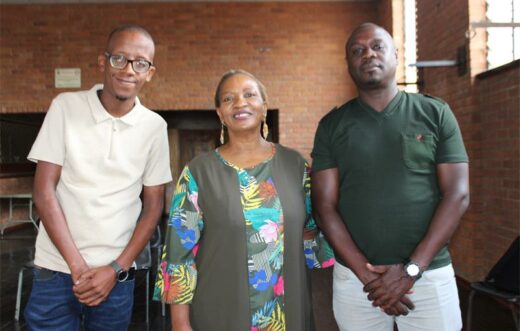
Practitioners were guided through the documentation required for consent applications, including municipal accounts, proof of property ownership and building plans.
Gqoba also outlined four key compliance steps: attending a briefing at the Social Development office, completing an application for plan approval, and undergoing inspections by emergency management services and environmental health officials.
Representatives from the GDE briefed attendees on the mass registration drive and governance requirements. The drive aims to ensure ECD centres are included in the regulatory system, comply with legal standards and qualify for future subsidies for children from low-income households.
Also read: Local fitness advocate empowers middle-aged women
Shereen Scheepers from Eezi-KIDZ said the workshop addressed many concerns, particularly around compliance.
“I have been running an ECD forum since 2022, where we share ideas, trainings and collaborate.
“This workshop came in very handy and will be especially helpful when it comes to those that are in the townships,” she said, adding that compliance requirements and building plans remain key challenges.
“This workshop put everyone at ease, and information was broken down simply for us.”
Practitioners were also allowed to ask questions and engage directly with officials.