Life Wilgeheuwel Hospital hosts live trauma rescue simulation for World Trauma Day
Emergency responders and flight crews team up to give community members a first-hand look at life-saving roadside extrications and trauma care.
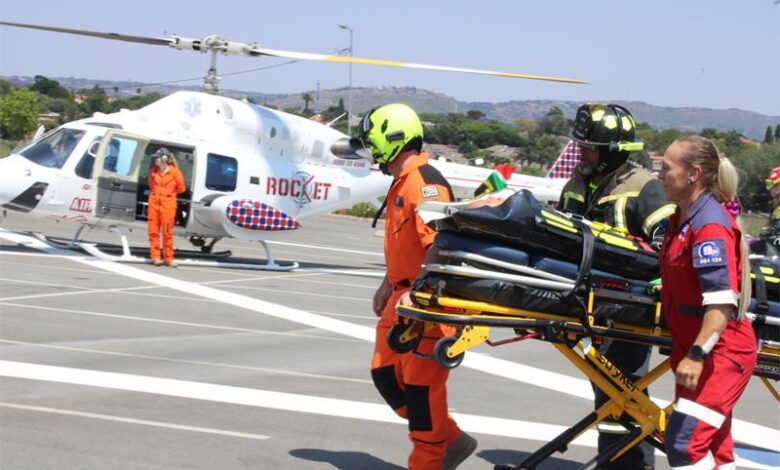
Emergency medical services and hospital personnel demonstrated trauma rescue and stabilisation techniques to the public during a World Trauma Day event at Life Wilgeheuwel Hospital on October 17.
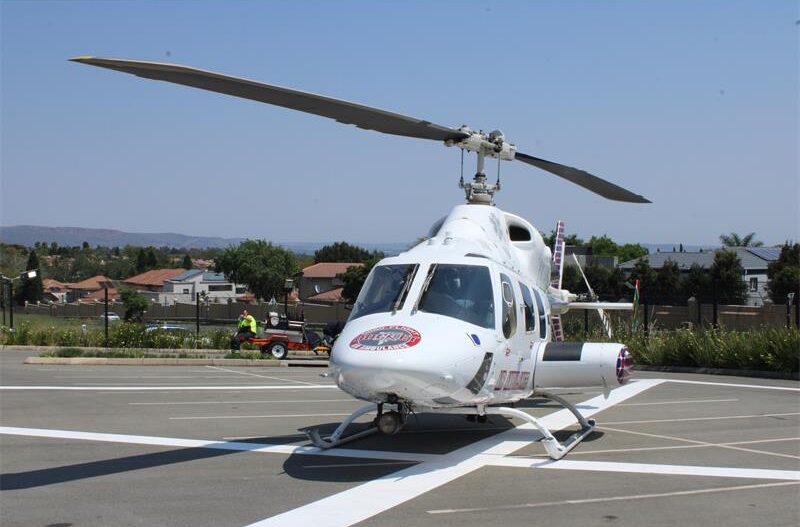
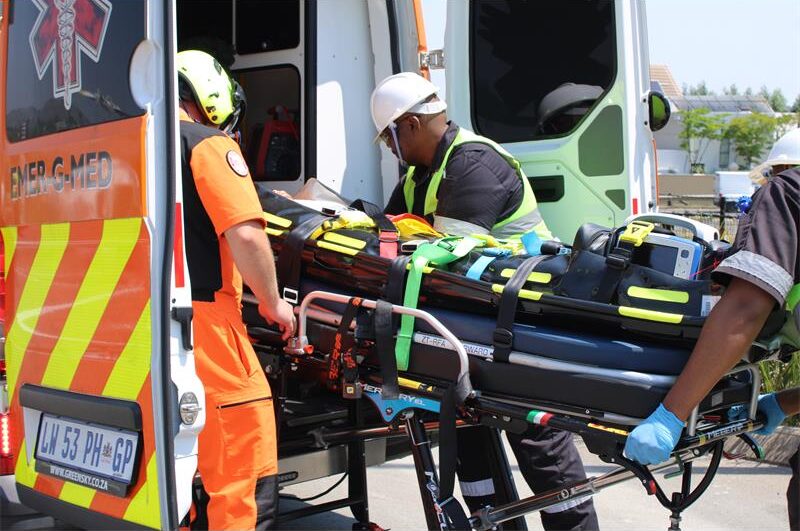
The programme featured a live motor vehicle extrication by Community Emergency Response Services (CERS), a simulated trauma patient handover to ambulance crews, a Rocket HEMS helicopter landing and hands-on first-aid training.
The event aimed to raise awareness about trauma prevention and response while showing how emergency medical services and hospital teams work together throughout a patient’s journey from the scene of an incident to hospital care.
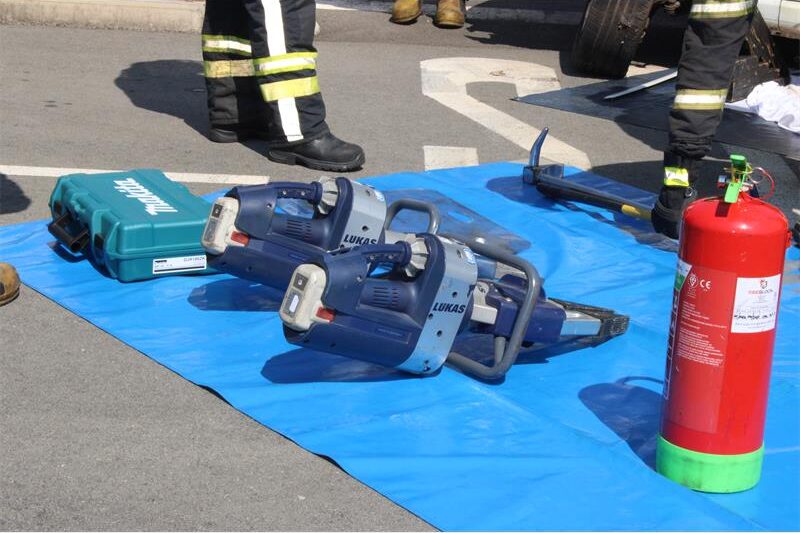
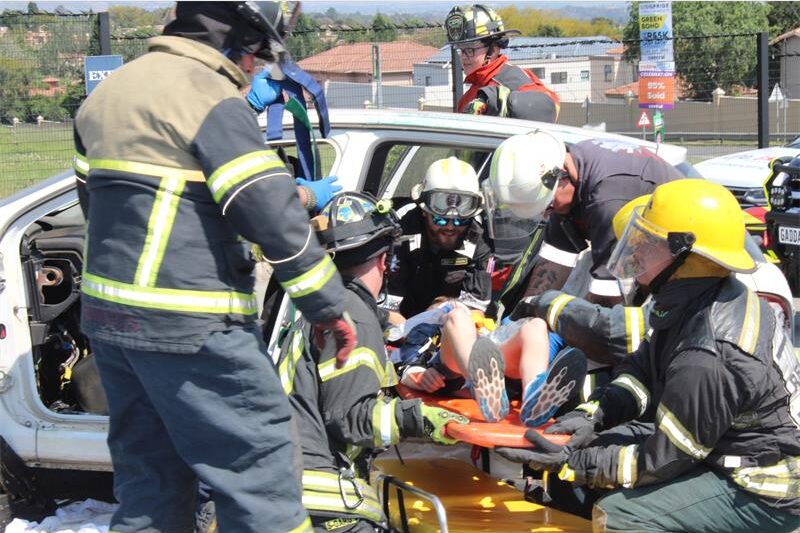
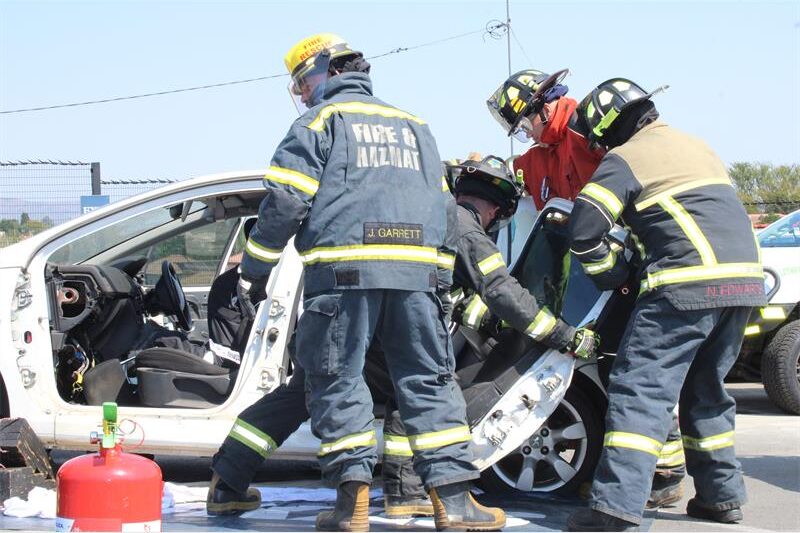
Rescuers from CERS demonstrated specialised equipment, including the Lukas Jaws of Life, to extricate a person trapped in a vehicle after a collision. The demonstration was followed by a simulated handover to ambulance teams and the helicopter landing, allowing attendees to observe different aspects of an emergency response.
Dr Michael Waldeck, head of the emergency unit at Life Wilgeheuwel Hospital and master of ceremonies, said World Trauma Day, observed annually on October 17, raises awareness of injuries as a major cause of death and disability while recognising those who respond to emergencies.
“Surviving serious injury depends on a chain, and every link counts: The bystander who calls for help, the paramedic who stabilises and transports, and the hospital team that receives the patient,” said Waldeck.
He highlighted the importance of injury prevention and emergency preparedness, advising motorists to wear seat belts, ensure children travel in appropriate car seats, never drink and drive, avoid cellphone use behind the wheel and learn basic first aid and cardiopulmonary resuscitation (CPR).
“The first hour after an injury, often called the ‘golden hour’, can decide whether a patient lives or dies,” he said.
Hospital manager Adri Botes said the event allowed the community to understand trauma care better and learn practical skills for critical moments before medical assistance arrives.
Community safety a shared goal
“World Trauma Day allows us to bring the trauma care journey to life and demonstrate why the immediate response to trauma is so important. It also allows our community to learn practical skills that could help them respond in those critical first moments before professional medical help arrives,” said Botes.
She also recognised the contribution of emergency medical services, which provide care before patients reach hospital and work alongside hospital teams to support continuity of care.
Botes said the hospital’s trauma programme had grown, with patients accessing its trauma and emergency services from beyond its immediate catchment area. “We are incredibly proud of how our trauma programme has grown, but ultimately this event is about awareness, preparedness and partnership. If someone leaves having learnt something that could help them respond in an emergency, then the day has achieved something meaningful,” she said.
Various emergency response teams and community representatives attended the event, including members of the Honeydew Community Policing Forum (CPF), as well as CERS, ER24, Help24 Emergency Medical Service, ComMed Emergency Response, Emer-G-Med, the South African Rescue and Support Association (SARZA), Rocket HEMS and First Help Towing.
Jono Martin, director of CERS, highlighted the value of bringing different responders together to help the public understand their respective roles.
“For CERS, events like these reflect something we believe strongly: community safety is a collective responsibility. Whether it’s firefighting, emergency medical care, rescue, scene safety or community support, every service brings something important to the table,” he said.
Residents reflect on live simulation
For attendee Kitso Ramano, seeing the helicopter up close was a highlight.
“It was a very fun experience,” said Ramano. “I think it was nice to see it live, because you hear the helicopters as they come, but it was really nice to be able to see what it looks like on the inside and how the whole process works, so it was very interesting.”
Jophia Sterianos said she was impressed by how the different teams co-ordinated their responses. “I think it was absolutely amazing to see how they all work together. It’s such a big process, where one has to phone another, and then they’re on time. I was very impressed, very, very impressed,” said Sterianos.
Through its World Trauma Day programme, Life Wilgeheuwel Hospital highlighted the importance of trauma awareness, prevention, first-aid knowledge and collaboration between emergency responders, healthcare professionals and the community.