Breaking barriers: Sensei Danika Stevens-Kotze’s journey from karateka to mentor
Despite being diagnosed with type 1 diabetes, the trailblazing karateka has continued to compete, represent South Africa on the international stage and inspire the next generation through her own dojo.
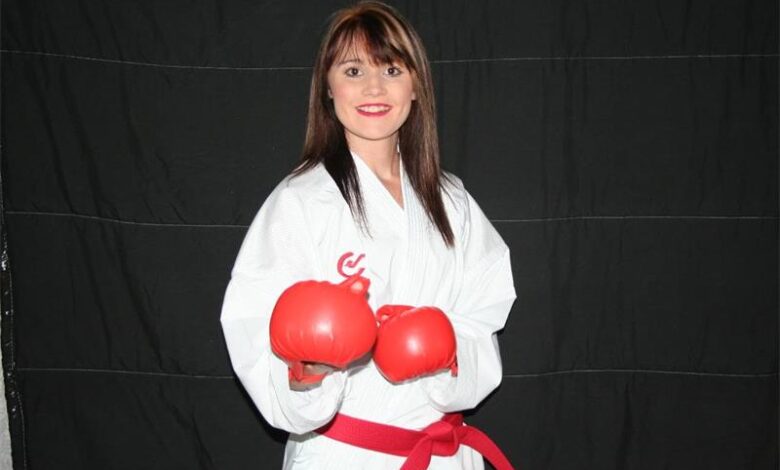
Karate Sensei Danika Stevens-Kotze is one of the West Rand’s trailblazing women in sports.
As South Africa celebrates Women’s Month, the Roodepoort Record followed her inspiring journey, which encourages women to pursue their passions and believe in their abilities.
She continued pursuing her passion despite being diagnosed with type 1 diabetes, proving that a personal challenge does not have to define what a person can achieve.
She currently holds a fourth dan black belt, and outside of karate, she is an academic leader in her field as a lecturer, holding a PhD in sports science.
“Karate is more than just a sport. It is a lifelong passion that has helped me learn valuable lessons and ultimately allowed me to inspire the next generation,” she said.
She started her karate journey in 2003 at the age of seven.
“One day, while with my parents at a local shopping centre, we saw karate students and my curiosity was immediately piqued. A few weeks later, I started doing karate.
“It took a lot of hard work, but once I won my first medal, there was no going back for me.
“It felt good to have my hard work and dedication pay off.
“It was a valuable lesson for me, teaching me that if you work hard, you can become good at anything and eventually master it.”
In 2011, she reached an important milestone when she earned her first dan belt (junior Protea colours). She soon surpassed this by being selected for the senior Protea team in 2013.
Since then, her dedication to the sport has taken her far beyond South Africa’s borders. Practising the Goju Ryu style, focusing on Kata and Kumite, she has represented South Africa at numerous international competitions, including the World Championships and African Championships, which saw her travelling to different parts of the world to compete against some of the best karate athletes.
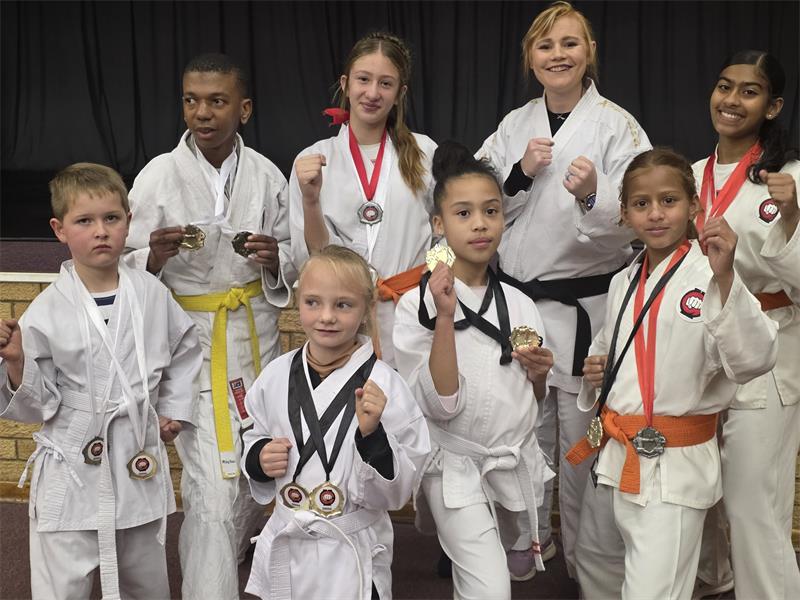
In 2023, she opened her own dojo.
Challenges in the sport
Stevens-Kotze was forced to stop competing in 2024 for health reasons.
“Managing type 1 diabetes in high-stakes competitive sport is a constant balancing act because blood sugar levels can be incredibly unpredictable, even when you follow every protocol correctly.
“Nerves, adrenaline, and tournament stress play a massive role in sugar fluctuations. When high cortisol levels trigger sharp spikes, insulin often doesn’t react or work as effectively as it normally would.”
Beyond her blood sugar management, Stevens-Kotze said some of the biggest challenges she faced in karate involved the financial aspect of it, since athletes self-fund their own local and international travel costs, tournament entry fees, accommodation, and continuous training, while balancing work and dojo responsibilities.
“Through all of these challenges, I have been extremely blessed to have the unwavering support of my family. I honestly wouldn’t have gotten this far without them.”
What the sport has taught her as a woman
Stevens-Kotze said she has never felt intimidated as a woman among the male-dominated senior karateka ranks.
“Every sport is physically demanding, but if you are disciplined and work hard, you will become strong and resilient, and you can overcome any obstacle.
“Karate has taught me to be comfortable with myself and my body, to stand up for what is right and to know when to fight.
“The core values of karate include self-control, character, respect, discipline and consistency.
“I apply these values in every aspect of my life, and they are the same values I strive to instil in my students.”
Stevens-Kotze is looking forward to her fifth dan grading, which will take place in the next few months.