Media Monitoring’s Media Freedom Festival unpacks the importance of G20
The G20 was founded in 1999 after the Asian financial crisis of 1997/8 as an informal forum to discuss international economic and financial stability.
It has been the year of G20 in South Africa, with civil society to businesses engaging in the different streams and prepping for the G20 Summit set to take place in November.
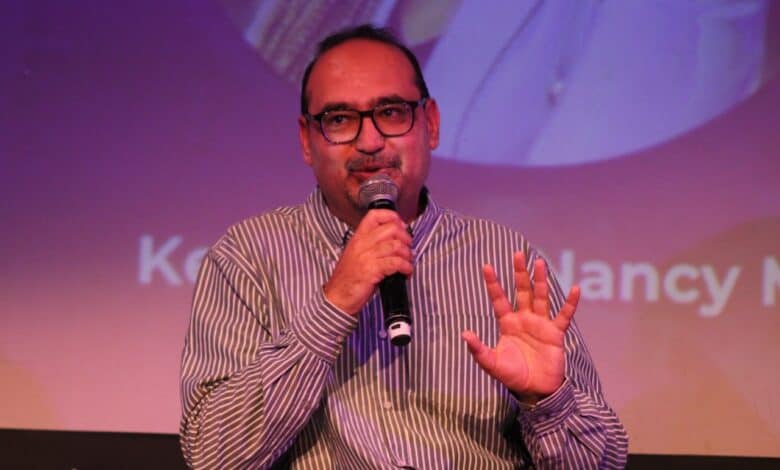
To help unpack what the G20 means for the Global South, delving into whether or not it adequately addresses our realities and exploring how civil society and media can push for accountability, Media Monitoring hosted its first day of the Media Freedom Festival on October 14 at the Joburg Theatre.
Read more: The G20 audiovisual advert highlights solidarity, equality, and sustainability
The G20 comprises 19 countries, including Argentina, Australia, Brazil, Canada, China, France, Germany, India, Indonesia, Italy, Japan, the Republic of Korea, Mexico, Russia, Saudi Arabia, South Africa, Türkiye, the United Kingdom, and the United States and two regional bodies, namely the European Union and the African Union.
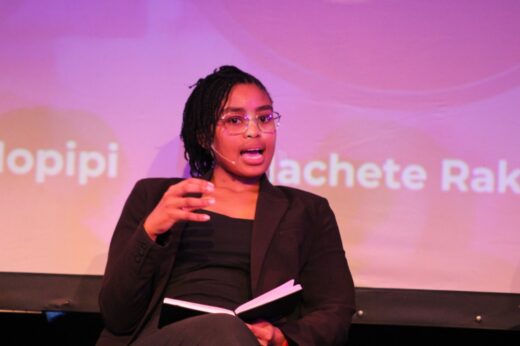
Leading the discussion on the topic: Unpacking the G20 – What is Really at Stake and Why should you Care, was High Commission of Canada’s public affairs officer, Nelly Ndimande.
Senior researcher at Mistra, Machete Rakabe, explained the significance and history of the G20.
Also read: G20 audiovisual advert launch marks the beginning of a significant journey
“The G20 began in 1999, after the Asian financial crisis, where global leaders realised that the global economic response was not sufficient. This led to the organisation of leaders from countries to sit together informally to discuss and coordinate responses to the global crisis.”
Rakabe noted that over time, the G20 changed, and so did their mandate.
“The issues discussed in the G20 mainly focus on microeconomic stability, financial stability, global financial architecture and how organisations such as the World Bank should respond to such global crises.”
The G20 does not have a permanent secretariat or staff. Instead, the G20 presidency rotates annually among the members.
G20 researcher at the South African Institute of International Affairs, Kesaobaka Mopipi, highlighted the significance of the G20 presidency.
“My view is that the presidency that chairs the G20 at a particular year in time has the opportunity to set an agenda. I think part of the reason why the African continent and South Africans felt excluded before this year was because SA was not setting the agenda.”
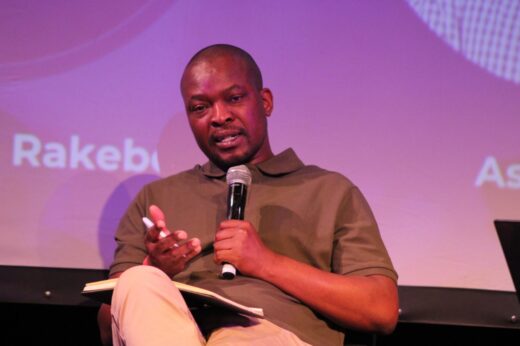
Research associate at IGD, Patel Ashraf, highlighted that the G20 is a forum, and unlike the United Nations, none of its outcomes have any standing in international relations or international law.
“It is an agenda-setting forum and, in its formation, its core objective is to save the world from financial crises. Its first set of meetings discussed central banks and treasury ministries.”
Follow us on our WhatsApp channel, Facebook, X, Instagram and TikTok for the latest updates!