
Fuel price hike to hit Joburg motorists and households from midnight
Petrol, diesel, paraffin and LPG prices increase from March 3 as residents brace for added pressure on already stretched budgets.
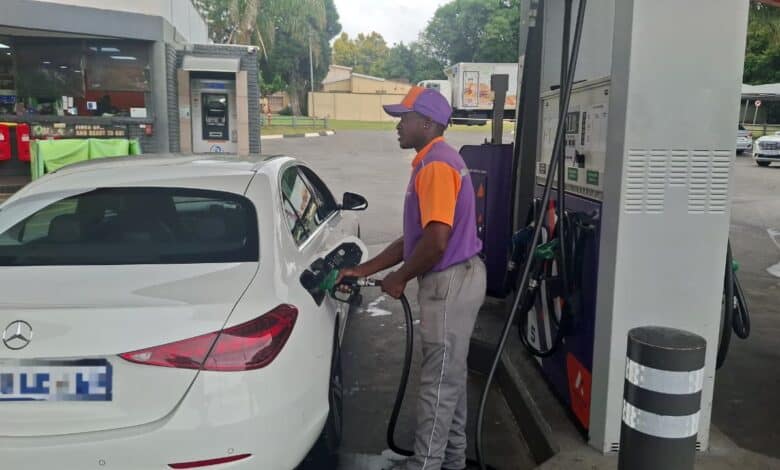
Johannesburg motorists will face higher fuel prices from midnight.
After several months of relief, fuel prices are climbing again, with increases taking effect from midnight on March 3. The latest monthly adjustment announced by the Department of Mineral and Petroleum Resources signals an end to the recent downward trend and brings fresh financial strain for households and businesses alike.
For many residents, it is not just about filling up a tank. It is about school lifts, work commutes, grocery bills and the quiet calculations families make at the end of every month. A few extra cents per litre may appear modest on paper, yet over weeks it reshapes carefully planned budgets.
Read more: Petrol price drops from Wednesday, but diesel costs keep climbing
The department attributed the increases to a mix of global oil market pressures and local currency conditions during the fuel pricing review period. While those factors may seem far removed from daily life in Johannesburg, their impact is immediate on the forecourt.
Ward 73 councillor Eleanor Huggett said the ripple effects extend well beyond motorists.
“Petrol price increases negatively affect Johannesburg residents by raising transport costs, increasing the price of goods and services, and putting pressure on household budgets,” she said. “The poorest households are usually the hardest hit because they spend a larger share of their income on transport and basic needs.”
Petrol will increase by 20c per litre. Diesel will rise by between 62c and 65c per litre depending on sulphur content. Illuminating paraffin will increase by between 44c and 58c per litre, while LPG will go up by 23c per kilogram.
For taxi operators, delivery drivers and small business owners, the diesel hike is particularly concerning. Fuel is often among their biggest expenses, and any increase inevitably filters through to fares and delivery charges. In time, those added costs surface in the price of everyday essentials on supermarket shelves.
Also read: Rotary partnership brings clean water and hope to Soweto early childhood development centre
DA caucus leader councillor Belinda Kayser Echeozonjoku described the increase as a direct blow to residents already grappling with the rising cost of living. She noted that while fuel prices are set nationally, the consequences are felt locally through higher transport costs and increased pressure on municipal operations such as waste collection, road maintenance and emergency response.
Households that rely on paraffin or LPG for cooking and heating will also feel the squeeze, especially as cooler months approach.
Fuel price adjustments may be a monthly reality in South Africa, yet each increase carries its own weight. For many in Johannesburg, it is another reminder that global shifts can quickly tighten the margins of daily life.
For now, motorists may want to fill up before midnight, because from Wednesday, every litre will cost more.
Follow us on our Whatsapp channel, Facebook, X, Instagram, and TikTok for the latest updates and inspiration!