2030 Reading Panel report reveals early-grade reading crisis, but hope remains
A new national report shows that most young learners in South Africa are not reading at grade level, prompting urgent calls for action.
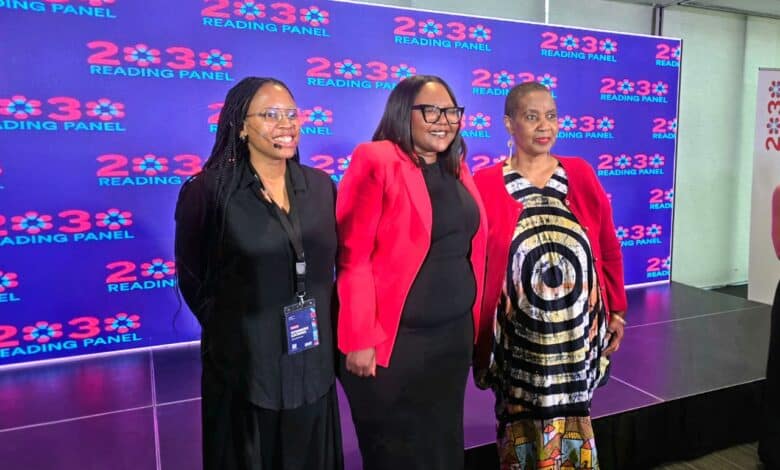
The 2030 Reading Panel conference, underway at The Venue in Melrose Arch, has highlighted a stark reality: most South African children in the early grades are struggling to read, but decisive interventions could turn the tide.
The panel’s newly released 2026 report, based on the Department of Basic Education’s Funda Uphumelele National Survey, reveals that only 30% of learners in grades 1 to 3 are reading at grade level in their home language. In some languages, up to 25% of Grade 3 learners cannot read a single word, while 15% scored zero in reading assessments.
Read more: Author launches her second book at book bash at Puntans Hill Sports Club
Former deputy president and panel chair Dr Phumzile Mlambo-Ngcuka said the findings offer a clear picture of where urgent support is needed. “We can now see the full picture of where South African children stand in the most critical years of learning. The data shows both the scale of the challenge and where progress is being made,” she said.
Minister of Basic Education Siviwe Gwarube stressed that early reading is central to tackling inequality. “If we want to change the trajectory of South Africa, we must begin where inequality begins, in the early years. Reading is a gateway to learning, and learning is the gateway to dignity and opportunity,” she said.
@caxtonjoburgnorth At the 2030 Reading Panel in Melrose Arch, the Minister of Basic Education, Siviwe Gwarube, champions a bold shift in the national education strategy. In this insightful interview, Minister Gwarube emphasises the critical importance of foundation-phase teaching as a specialised skill, rather than a fallback for underperforming educators. Video: Naziya Davids-Easthorpe #Rosebank #Education ♬ original sound – Caxton Joburg North
To strengthen early learning, the government has committed R10b to Early Childhood Development (ECD), alongside R496m to create 150 000 new ECD spaces in high-poverty communities. The minister also confirmed that more than 13 000 ECD centres are now registered, surpassing national targets.
Also read: South African author celebrates launch of riveting new novel, The Advocate
“Reading is not a standalone programme,” Gwarube added. “It must be embedded at the heart of the education system, from early childhood development to teacher training and classroom support.”
Despite the sobering statistics, the report and conference delivered a message of cautious optimism, that focused investment, stronger partnerships and systemic reform could help South Africa achieve its goal of ensuring every child can read for meaning by 2030.
Follow us on our Whatsapp channel, Facebook, X, Instagram and TikTok for the latest updates and inspiration!