Moxii Africa holds workshop on countering hate speech to observe International Day for Countering Hate Speech
International Day for Countering Hate Speech aims to tackle the global rise in hate-fuelled communication, xenophobia, and intolerance.
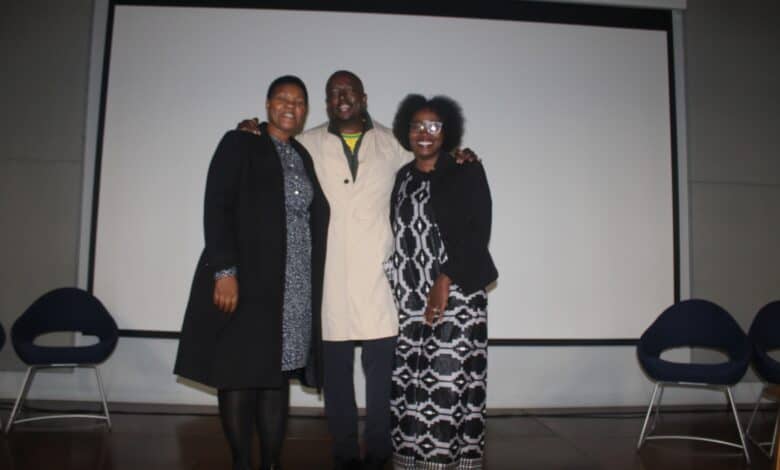
To observe International Day for Countering Hate Speech, marked annually on June 18, Moxii Africa hosted a workshop to address the growing anti-migrant disinformation and online hate speech that continues to rise.
The day was proclaimed by the UN General Assembly in 2021 to tackle the global rise in hate-fuelled communication, xenophobia, and intolerance, while promoting inter-religious and intercultural dialogue and tolerance.
Read more: Avela Foundation and Smile Foundation continue to prioritise children affected by burns
Speaking at Goethe-Institut South Africa, Moxii Africa director William Bird said the workshop was aimed at urging newsrooms to speak to the pertinent issues, and work through practical solutions of how to address matters of concern as and when they happen.
“We’re noticing that there’s increased levels of polarisation, hate speech, and threats of violence. We’ve seen this movie too many times in South Africa, and seem intent on not wanting to learn our lesson.”
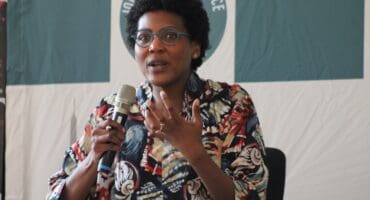
Executive director of the Press Council of South Africa Dr Phatiswa Magopeni noted that although we have seen a serious wave of migrant-fuelled mobilisation, organised protests across cities and towns, and calls for the removal of undocumented migrants, often accompanied by intimidation, it was important to also confront what was happening in our newsrooms and social media platforms.
“This crisis has been shaped and amplified by digital networks, through opaque algorithmic deployment. Harmful narratives, hashtags, and co-ordinated messaging, some of which has been years in the making if you remember, such as #PuttingSAFirst, have now converged with political dynamics.”
Also read: Imbumba Foundation commends 4 bold 2025 Trek4Mandela participants
Magopeni noted that South Africa was preparing for local elections in November this year, and local elections are often contested in highly emotive localised contexts centred on service delivery, unemployment, and competition for resources.
“These are the conditions in which anti-migrant narratives take place and spread most easily.
That is why the timing of this workshop matters, and why we must understand elections, migration, and the speech, not as separate topics, but a single interconnected challenge. The centre of this is responsible reporting.”
Prime media’s group head of corporate affairs Moshoeshoe Monare led a masterclass including practical newsroom guidance designed around migration-reporting challenges.
Monare highlighted the following points for reporting on xenophobia and migration crises:
- Role of the media to shape public understanding of complex issues,
- Role of the media to investigate and challenge the visible and hidden hand behind the crisis, and
- Responsibility of the media to challenge stereotypes, prejudice, and bigotry.
The migration crisis causes: - Economy instability,
- Political strife and divisions, and
- Demographic dynamics.
Follow us on our Whatsapp channel, Facebook, X, Instagram and TikTok for the latest updates and inspiration!