
AHF calls for binding equity measures in the WHO pandemic treaty
Calls grow for mandatory benefit-sharing in global pandemic response systems.
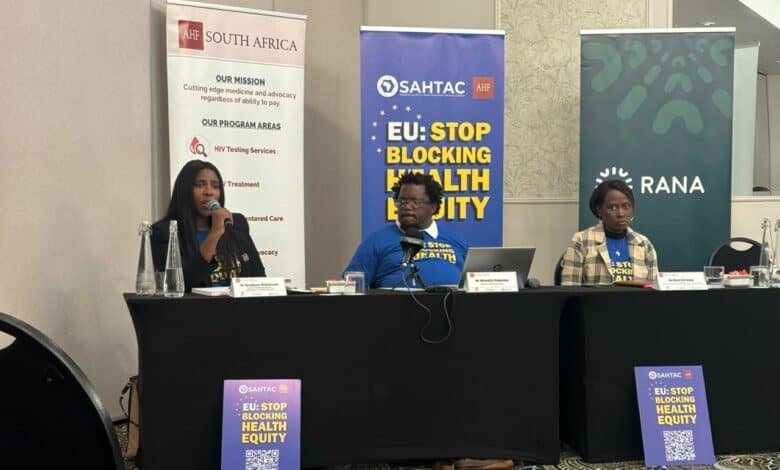
The AIDS Healthcare Foundation (AHF) South Africa has called on the European Union to support binding equity provisions in the World Health Organisation Pandemic Treaty, warning that failure to do so could undermine global health security.
Addressing a media briefing in Sandton, AHF and its civil society partners raised concerns over ongoing negotiations around the pathogen access and benefit-sharing (PABS) annex, which remains unresolved ahead of final talks later this month.
Read more: Tara Hospital aids staff with mental health wellness day
The annex will determine how pathogen samples and genetic data are shared, and how resulting medical products, including vaccines and therapeutics, are distributed.
Speakers referenced the Covid-19 pandemic as a cautionary example of unequal access to healthcare resources, particularly in low- and middle-income countries.
Dr Nombuso Madonsela, the country programme director of the AHF, said delays and limited access to vaccines and treatments had severe consequences across Africa, stressing that similar outcomes must be avoided in future health emergencies.
The AHF outlined a five-point call to action, binding benefit-sharing obligations, equitable access to vaccines and treatments, increased transparency and accountability, inclusion of civil society voices, and mandatory participation and registration mechanisms.
The organisation warned that voluntary systems would be insufficient to guarantee fairness.
Ruth KM Dube from the Strengthening Africa’s Health Technologies Advocacy Coalition (SAHTAC) highlighted the need for Africa to play a more active role in global health governance, arguing that the continent must be recognised as both a contributor and a decision-maker.
Read more: Empact Group puts women’s health and wellness in the spotlight
She also stressed the importance of data-driven policy and investment tracking to ensure accountability.
Mfundisi Mabalane from the National Civil Society Forum linked the PABS framework to broader health priorities, including universal health coverage and South Africa’s National Health Insurance ambitions.
He described the agreement as both a technical and ethical issue, with significant implications for global equity. With negotiations entering their final phase, AHF warned that the outcome would shape the global response to future pandemics. “A weak agreement is not a compromise, it is a failure,” Mabalane said.
Follow us on our WhatsApp channel, Facebook, X, Instagram and TikTok for the latest updates and inspiration!