
20 waterbirds die at Zoo Lake amid botulism fears
Residents are urged to keep children and pets away from the water while testing for contamination is under way.
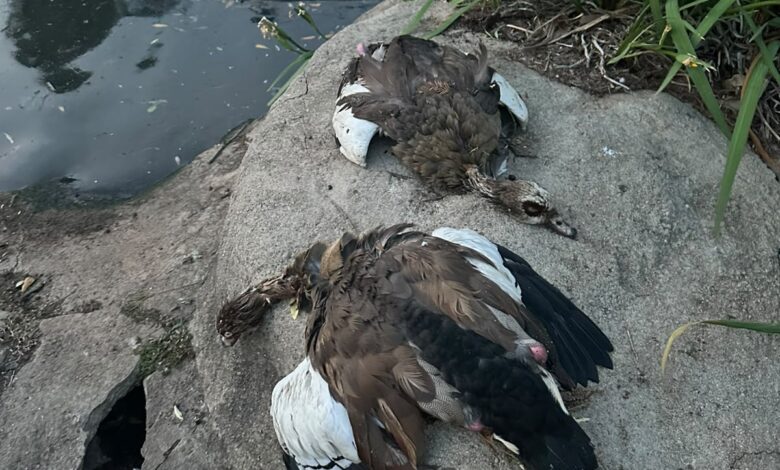
Johannesburg City Parks and Zoo (JCPZ) is investigating the health of the popular Parkview attraction after a sudden die-off of geese and other wildlife.
The Zoo Lake Users Committee (ZLUC) confirmed the birds were discovered on November 2, with concerned residents and park users alerting the committee to the incident.
Must read: City Parks and City Power sought for comment as cable theft hits Zoo Lake walkway
JCPZ spokesperson Jenny Moodley said the cause of the deaths had not yet been established, but seasonal avian botulism was among the possibilities.
“Warmer water and decomposing organic matter can create conditions favourable for the production of toxins that affect waterbirds,” Moodley said.
She stressed, however, that botulism had not been confirmed as the cause of the deaths.
According to the World Health Organisation, Botulism is a rare but life-threatening medical emergency caused by a highly potent nerve toxin produced by the bacterium Clostridium botulinum. The toxin blocks nerve signals to muscles, resulting in a dangerous condition known as descending flaccid paralysis.
Water tests underway
Authorities are also investigating reports of possible sewage spills and lake contamination, although Moodley said no link between these reports and the bird deaths has yet been established.
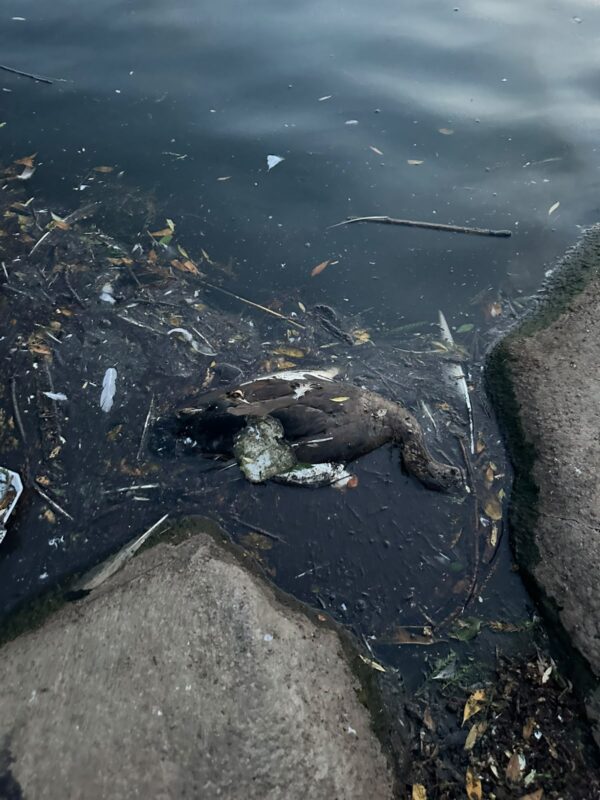
JCPZ’s Environmental Conservation team removed all dead birds identified during a collection today, with selected carcasses submitted to Johannesburg Zoo’s veterinary hospital for post-mortem examinations.
Teams from JCPZ’s Conservation and Operations divisions, the city’s Environment and Infrastructure Services Department (EISD) and Johannesburg Water also visited the site and collected water samples. Moodley said the veterinary findings and water-quality results would help guide further interventions.
Public safety warning
She also cautioned residents against assuming that clear-looking water was safe, explaining that many of Johannesburg’s urban dams and lakes were man-made water bodies that received stormwater runoff, which could carry pollutants, litter and organic waste.
“The appearance of clear water should not be taken as an indication that the water is safe,” she warned. As a precaution, residents have been urged not to swim in the lake or consume fish caught in it. Children and pets should also be kept away from dead or visibly distressed wildlife, while members of the public are advised not to handle dead birds or fish.
ZLUC said it was monitoring the situation and remained in communication with the relevant authorities.
“At present, no definitive cause has been confirmed, and ZLUC does not wish to speculate while veterinary and water-testing results remain outstanding,” the committee said. The committee also thanked residents, park users and residents’ associations who had reported the incident and shared information, saying the response demonstrated how deeply the community cared about the park and its wildlife.
Report wildlife sightings
Residents who spot additional dead birds, distressed waterbirds or fish kills are encouraged to report them to JCPZ at emi@jhbcityparks.com, providing the exact location and photographs where possible. Reports can also be directed to @joburgparkszoo or ZLUC.
Moodley said JCPZ’s immediate response had focused on removing carcasses and obtaining veterinary and water-quality evidence. Further remedial measures would depend on the