
16 Days of Activism’s call to protect marginalised communities
While the 16 Days of Activism primarily focuses on violence against women and children, it is essential to acknowledge that violence affects diverse communities.
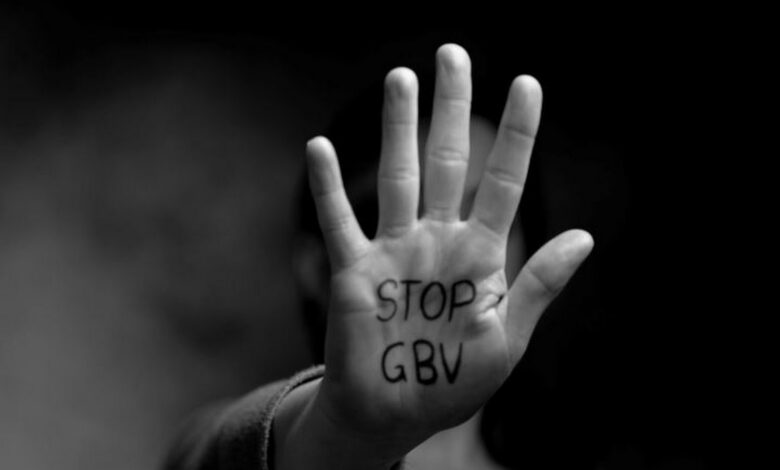
The annual 16 Days of Activism Against Gender-Based Violence campaign serves as a global call to action, drawing attention to the pervasive issue of violence against women and children. While this initiative is crucial in shedding light on these critical concerns, it is imperative to recognise that there are other marginalised groups, such as the queer and disabled communities, who often face violence and discrimination. In this article, we will explore the need for broader awareness and protection for these communities and delve into the state of healthcare accessibility for marginalised groups in the Global South, offering insights on how we can build a more inclusive healthcare system.
Expanding the Scope of Activism
While the 16 Days of Activism primarily focuses on violence against women and children, it is essential to acknowledge that violence affects diverse communities. Queer individuals and those with disabilities are particularly vulnerable to various forms of abuse, and their experiences are often overlooked in mainstream discussions. Activism must broaden its scope to encompass the multifaceted challenges faced by these communities.
Violence against Queer and Disabled Communities
Members of the queer community frequently endure discrimination, harassment, and violence based on their sexual orientation or gender identity. Similarly, individuals with disabilities face unique challenges, including physical and verbal abuse, neglect, and exclusion from essential services. To achieve true inclusivity, we must amplify the voices of these communities and work towards dismantling the systemic barriers that perpetuate their vulnerability.
Healthcare Disparities in the Global South
In many parts of the Global South, marginalised groups, including queer and disabled individuals, face significant barriers to accessing adequate healthcare. Discrimination, stigma, and a lack of understanding among healthcare providers contribute to these disparities. Additionally, socio-economic factors further compound the challenges, making it difficult for individuals from these groups to receive timely and appropriate medical attention.
Improving Healthcare Access for Marginalised Communities
Education and Sensitisation:
- To address the healthcare disparities, there is a pressing need for education and sensitisation programmes targeting healthcare professionals. Training initiatives should focus on fostering cultural competence, empathy, and a deeper understanding of the unique healthcare needs of queer and disabled individuals.
Inclusive Policies:
- Governments and healthcare institutions should develop and implement policies that explicitly address the healthcare needs of marginalised communities. These policies should prioritise inclusivity, ensuring that healthcare services are accessible, respectful, and considerate of diverse identities and abilities.
Community Engagement:
- Actively involving marginalised communities in the healthcare decision-making process is crucial. By consulting with these groups, healthcare providers can gain insights into their specific needs and challenges, fostering a collaborative approach to improving healthcare services.
Affordable and Accessible Services:
- Economic barriers often prevent marginalised individuals from seeking healthcare. Governments and organisations must work towards creating affordable and accessible healthcare services, ensuring that financial constraints do not deter individuals from seeking essential medical care.
Technology and Telemedicine:
- Embracing technology, including telemedicine, can bridge geographical gaps and improve healthcare access for marginalised communities. This approach can be particularly beneficial for individuals with disabilities who may face mobility challenges.
Legal Protections:
- Strengthening legal protections against discrimination in healthcare settings is essential. Legal frameworks should explicitly prohibit discrimination based on sexual orientation, gender identity, or disability, ensuring that individuals can seek redress if they experience mistreatment.
Conclusion
As we observe the 16 Days of Activism Against Gender-Based Violence, it is crucial to recognise the diverse experiences of violence faced by marginalised communities beyond the scope of the campaign. Queer and disabled individuals are often at the intersection of multiple forms of discrimination, making their struggles unique and complex. To create a truly inclusive society, we must extend our advocacy efforts to encompass the rights and well-being of all individuals, irrespective of their gender, sexual orientation, or abilities.
In the realm of healthcare, it is incumbent upon us to dismantle the barriers that hinder access for marginalised communities. Through education, policy reform, community engagement, and technological advancements, we can build a healthcare system that is truly responsive to the needs of all individuals, fostering a world where everyone can access quality healthcare without fear of discrimination or neglect.