iSchoolAfrica changes the lives of SA’s disabled learners
Celebrating the International Day for Persons with Disabilities, iSchoolAfrica showcased how coding, communication tools, and accessible devices are unlocking new opportunities for people with disabilities nationwide.
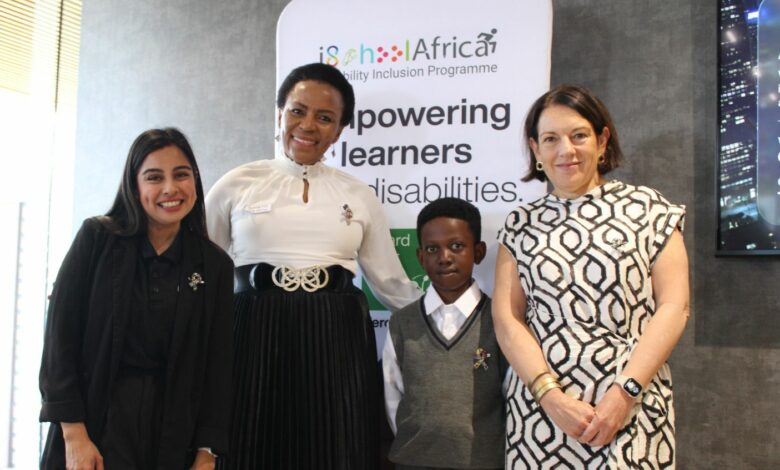
iSchoolAfrica, a flagship education initiative of the iStore and the CHOC Childhood Cancer Foundation South Africa, commemorated the International Day for Persons with Disabilities.
On December 3, they had a special event in Sandton, placing accessibility, inclusive education, and digital empowerment at the centre of national conversation.
Founded in 2009, iSchoolAfrica was established to bridge the widening technology gap between well-resourced private schools and under-resourced public and special needs schools.
Read more: The Kamohelo Skhosana Foundation calls on community to help bring Christmas joy to families in need
The programme focuses on bringing Apple technology, particularly iPads with built-in accessibility features, along with teacher and therapist training, to marginalised schools across South Africa.
iSchoolAfrica director Michelle Lissoos said: “We were seeing the amazing impact that Apple technology was having in private and more resourced schools, but under-resourced schools, especially special needs schools, were receiving compromised technology. We knew we had to change that. iSchoolAfrica is about giving children the education they deserve so they can be included in society.”
The event highlighted some of iSchoolAfrica’s most transformative disability-inclusion programmes, including provision of iPads with accessibility tools for communication, creativity, and learning, teacher and therapist training designed specifically for learners with diverse disabilities, the award-winning deaf developers programme, which trained eight deaf youth as iOS developers, earning global recognition through the International Zero Project Award, and coding for inclusion, a growing initiative that introduces coding and digital literacy to children with disabilities, ensuring that they are equipped with future-ready, employable skills.
“Through these programmes,” added Lissoos, “we’ve seen non-verbal learners communicate for the first time. We’ve seen deaf learners learning and collaborating with their peers. In our autism programmes, we’ve watched learners thrive. Technology, when used meaningfully, changes lives.”
Also read: Girl Unlimited sparks urgent dialogue on girls’ health and education
Among the partner schools celebrated was St Vincent School for the Deaf in Rosebank, one of the programme’s closest and most active collaborators in the Johannesburg area.
Attendees, including many who communicate in South African Sign Language, emphasised the importance of collective action to build more inclusive workplaces, schools, and communities.
“Today isn’t only about awareness; it’s about commitment. We must commit to creating systems that empower and enable children of all abilities to reach their full potential.”
Looking ahead, Lissoos said iSchoolAfrica is focused on expansion and innovation.
“Our priorities are to extend our programme to more schools, broaden our coding for inclusion initiative, and explore how AI can support learners with disabilities.
There is so much potential for technology to redefine what access looks like.”
Follow us on our WhatsApp channel, Facebook, X, Instagram and TikTok for the latest updates!