
Three mango fly worms squeezed from a toddler in Joburg north
Residents share their experiences of mango fly in a bid to inform the community of what to look for.

Fourways residents who are already aware of the presence of mango fly worms on some animals, have been sharing their own stories about the impact of this species of blow-fly, Fourways Review reports.
In an article published a week ago, the City of Johannesburg confirmed a case of mango fly infection found in two pet Labradors and that humans were also potential victims.
Although only animal cases have been reported so far, residents have indicated humans have been infected too.
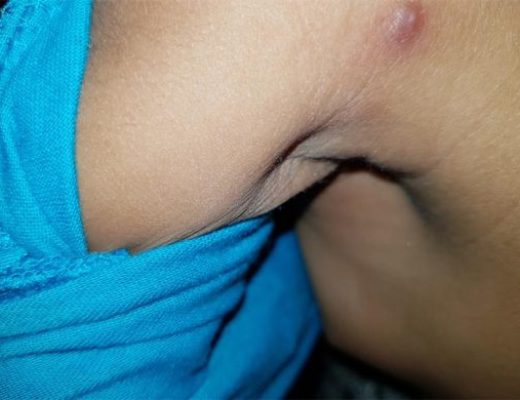
In one case a child has developed the boil-like growths caused by the flies.
Belle Ndima didn’t realise that she might have encountered a mango fly herself before she read about it in the media.
“I was reading the article and I thought to myself, ‘that story is so familiar’,” Ndima said.
She suspects her 14-month-old daughter Buyesile had a mango fly infection.
“My nanny mentioned that my daughter was feeling unwell with flu-like symptoms, and I also noticed she had these three insect bites on her back,” Ndima said.
“I tried to squeeze the bites and worms came out. She was very unwell, so I took her to a paediatrician in Morningside and he prescribed antibiotics for what he said was a cold-like sickness that had developed into mild infections.”
Ndima said the doctor didn’t seem fazed by the worms when she mentioned them, suggesting that the little girl had eaten dirt at some point and contracted something that way.
“The thing is, she’s not usually outside so I don’t think she ate any soil. We do have dogs in the yard though.”
The little girl still has a cough from a flu-like sickness that Ndima is not even sure is now related to mango fly, but otherwise is doing better.
“I just want others to know what I went through in case they are facing the same thing.”
The fly species lays its eggs in the soil, and sometimes dry clothing left outside, according to the National Institute of Communicable Diseases.
Once the larvae hatch they will attach themselves to a human or animal, pierce the skin and develop inside a boil-like lesion which is formed on the host’s skin.
Once the larvae are ready to pupate (enter the phase before adulthood), they leave the lesion and fall to the ground where they will develop further and eventually breed.
The process takes about 12 days.
Read original story on fourwaysreview.co.za