
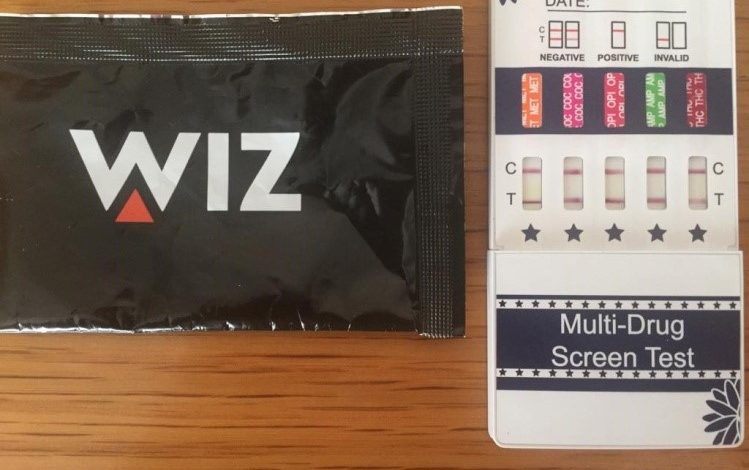
Mignon Venter, therapist at SANCA Vaal wants parents to be informed about this drug, which is similar to Cannabis, but is a synthetic cannabinoid. This means it is a chemical mix, which activates the same neuroreceptor in the brain as organic cannabinoids, such as THC that is found in Cannabis. But these are not the same chemicals; they simply have a similar effect on the identical part of the brain.
Synthetic cannabinoids are advertised under a range of names, the common ones being: Incense, Herbal Blend, Blazing, Puff, Spice, Fake Weed and K2. It is sold in foil packets and presents as legitimate mass-produced products. The contents resemble dried mixed herbs and several manufactures will not include identifying information on the packaging, but it will come with warnings such as: “Not for human consumption” or “harmful if swallowed”.

Some of the similar side effects of smoking synthetic cannabinoids and smoking Cannabis are documented as feelings of euphoria, increased appetite, lethargy, red eyes, paranoia, heavy limbs. However where synthetic cannabinoids really differ from cannabis are in the negative effects experienced. This includes heart palpitations, vomiting, weakness, anxiety, dizziness, psychosis, panic attacks and irrational behaviour. Venter explains that synthetic cannabinoids were first produced in a lab by chemist John Huffman as part of his research into Cannabis. The research was leaked, and black-market producers discovered that these substances contained no actual banned chemicals. Therefore, it could easily be sold to vulnerable persons as an alternative to illegal drugs. The chemical composite is mixed with plant matter that makes it easy to smoke. In spite of some misapprehensions, these substances contain no actual Cannabis.
“When a substance is classed or criminalised, its chemical structure is used to identify it. As the manufactures could repeatedly shift a few molecules around they could keep the drugs legal, however this also poses a significant danger to the persons consuming it. One synthetic cannabinoid (HU-210) was discovered to be 100 times more potent than THC. A person could buy the same brand, from the same retailer, but receive a greatly different product. Consequently, this considerably increases the likelihood of an overdose,” concludes Venter.
* Treatment for substance use disorders is available at SANCA Vaal and people are encouraged to contact them at 016 933 2055.