
Gender-based violence increases during Covid19 pandemic
A “shadow pandemic” of increased violence against women and girls has followed in the footsteps of the Covid-19 pandemic, with heightened mental health impacts on victims of gender-based violence that will outlast the physical health sequelae of the pandemic.
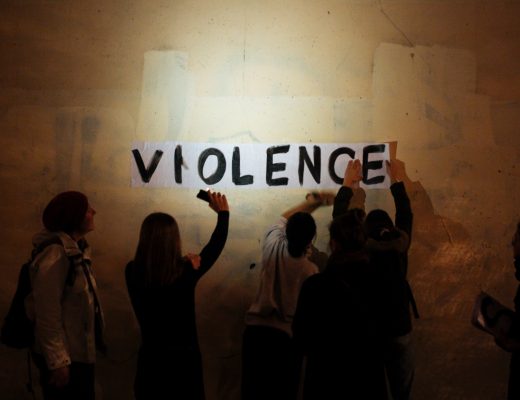
While the economic, social, and physical health impacts of Covid-19 take up the spotlight, the pandemic has also worsened South Africa’s already high rates of mental illness and gender-based violence, says specialist psychiatrist Dr Yumna Minty, of the South African Society of Psychiatrists (SASOP).

Studies have shown that women who are victims of physical or sexual violence at the hands of their intimate partners are twice as likely to experience clinical depression as women not exposed to interpersonal violence, and are at greater risk of attempting suicide, she said.
During the annual 16 Days of Activism against Gender-Based Violence campaign [25 November-10 December], SASOP has called for firmer policy interventions and improving multi-stakeholder collaboration between government agencies (police, justice, health, education, and social development sectors), civil society and NGOs for an integrated and coordinated response to the problem.
“With a new variant of the coronavirus recently identified and the prospect of a fourth wave of infections and renewed restrictions on the cards, we also need to ensure that both government and civil services such as helplines, victim support centres and shelters are able to remain operational regardless of lockdown level and can extend their capacity for online and telephonic advice and counselling.
“Given that remote working under pandemic conditions means that women may be stuck in their home environment with an abuser and be unable to leave or make a phone call to seek support, alternatives such as SMS and WhatsApp helplines have provided these women with a lifeline and should be continued even beyond the pandemic,” Dr Minty said.
Globally, one in three women experience physical violence, mostly by an intimate partner. UN Women reports that all types of violence against women and girls, especially domestic violence, have increased around the world since the outbreak of Covid-19.
In South Africa, one in five women who have ever been in a relationship have experienced physical violence at the hands of a partner, and one in 16 have experienced sexual violence by an intimate partner.
South African women are murdered at a rate that is four to five times the global average, at least half of them by their intimate partner. Women make up two-thirds of the victims of sexual offences, including rape, and South Africa’s prevalence of rape is among the highest in the world, standing at five to six times the global average.
Similar to other countries, domestic violence reports to the police and calls to helplines increased in South Africa with the onset of lockdowns to curb the spread of the Covid-19 pandemic.
“It has been widely reported that more than 2 000 gender-based violence cases were reported to police in the first week of lockdown in March 2020, a 37% increase over the weekly average in 2019. An Oxfam study on the worldwide increase in gender-based violence during the pandemic states that calls to domestic violence hotlines in South Africa increased by 69% during the first month of lockdown.
“This is a clear indication of the scale of what President Cyril Ramaphosa has called the ‘second pandemic’ of gender-based violence in South Africa. Conditions such as remote working and isolation with abusers, restrictions on movement, school closures and having to adapt to remote and home schooling, financial worries due to feared or actual job losses, and generally struggling to cope with drastic life changes brought about by the pandemic have all contributed to both increased mental stress and worsening levels of domestic and interpersonal violence against women,” Dr Minty said.
She said that even before the pandemic, worries about personal safety and becoming a victim of crime affected South African women more than men.
Women in South Africa are more fearful of walking alone in their neighbourhoods in daylight or at night, walking to work or shops, taking public transport, and allowing their children to play freely in public open spaces or walk alone to school.
“All of these fears in turn contribute to heightened levels of stress and anxiety, which impacts on women’s mental health. Women live in constant fear of violence and threats to their wellbeing and that of their children – from strangers, family members and, worst of all, their intimate partners.
“Women exposed to violence and trauma are more likely to develop post-traumatic stress disorder (PTSD), depression, anxiety and substance abuse problems. They are also more likely to cope poorly with the general stresses of life, have low self-esteem and disordered eating patterns,” she said.
One in three South Africans suffer from common mental disorders such as anxiety and depression in their lifetimes, with more than half the respondents in a recent study reporting higher levels of psychological distress since the outbreak of Covid-19, and many turning to drugs and alcohol to cope.
These ongoing fears and the mental health impacts thereof have a knock-on effect on how women are able to function in society in their multiple chosen or designated roles as mothers, wives, caregivers, educators, employees, professionals, or business owners.
“Women play such an integral role in both formal and informal social and economic structures – it is imperative to consider their needs and support them,” Dr Minty said.
“Prevention and change starts with education and empowerment of both men and women. We need to move away from a patriarchal social structure and improve the economic status of women, along with better access to healthcare and education that empowers women rather than promoting submissiveness.
“For both women and men, we need to improve access to public mental healthcare and do better in combatting substance abuse that fuels violence,” Dr Minty said.
ALSO READ: Men walk a mile in women’s shoes during GBV awareness campaign