Stakeholders review progress in fight against GBVF
Representatives from Gauteng's higher-education institutions reviewed progress in tackling Gender-Based Violence and Femicide.
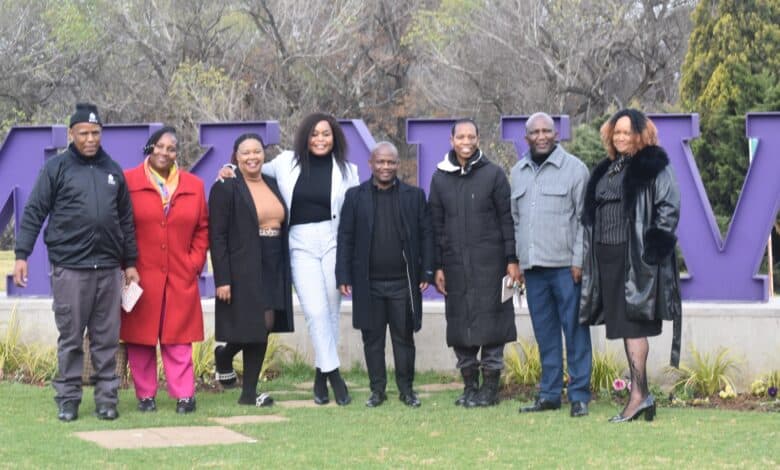
The Gauteng Provincial Stakeholder Cohort on Higher Education Institutions, Discipline and Gender-Based Violence and Femicide (GBVF) recently met at the North-West University (NWU) Vanderbijlpark Campus. The purpose of the meeting was to review the progress made by higher-education institutions in implementing resolutions from previous discussions.
Chaired by Mmemme Makane-Sibanda, head of the Provincial Secretariat at the Gauteng Department of Community Safety, the gathering brought together representatives from universities and higher-education facilities across the province.
Delegates presented reports detailing their initiatives, achievements and ongoing efforts to improve discipline, student safety and the prevention of GBVF.
Opening the meeting, Makane-Sibanda praised the institutions for their dedication to accountability and collaboration. She noted that the fight against GBVF demands sustained commitment, measurable action and strong partnerships. She added that the cohort offers a valuable platform for institutions to report on progress, learn from each other and collectively improve systems to ensure campuses stay safe, inclusive and responsive to student needs.
“We are encouraged by the progress demonstrated by institutions and remain committed to supporting innovative interventions that place survivors at the centre of our response.”
During her presentation, Makane-Sibanda shared the latest Gauteng crime statistics, pointing out that contact crimes remain the highest reported category in the province. She emphasised that these figures highlight the urgent need for higher-education institutions to collaborate closely with the government, law enforcement and community partners.
This teamwork aims to develop proactive interventions to address violence, enhance campus safety, and protect vulnerable students. She also urged institutions to use data-driven approaches to boost prevention programmes and maintain survivor-centred support.
Throughout the meeting, delegates discussed lessons learned, best practices, and practical experiences. This exchange allowed participants to identify shared challenges, showcase creative interventions, and explore collaborative ways to strengthen GBVF responses across the higher-education sector.
Following the presentations, delegates toured the newly refurbished GBVF – Victim Empowerment Centre at the NWU Vanderbijlpark Campus to see the progress made since it launched in July 2025.
The flagship centre is a pioneering initiative tackling national and global challenges related to GBVF, gender justice, inclusivity and transformation in education and society.
The centre was established through a multi-stakeholder partnership finalised with a memorandum of understanding signed on March 28, 2025, between the NWU and the Gauteng Department of Community Safety.
Built on academic advocacy and student-centred safety initiatives, the centre strengthens ties between the government, higher-education bodies and international partners to promote sustainable solutions.
Delegates viewed the various facilities and support services while learning about the centre’s mission to offer a safe, therapeutic and inclusive space for survivors.
The centre also drives research on GBVF and socio-legal issues, while empowering students, staff and local communities through education and advocacy. Its work is enhanced by national and international partnerships that foster knowledge-sharing and innovation.
The centre works with strategic partners, including the Gauteng Department of Community Safety, Sonke Gender Justice, Higher Health, Ikhaya le Themba Empowerment Centre, University College Dublin and the Dublin Rape Crisis Centre, merging international practices with local expertise for a holistic care model.
Ujeet Maharaj, head of Student Judicial Services at the NWU and organiser of the event, stated that hosting the cohort reflects the university’s firm commitment to creating safer, more inclusive campuses.
“This platform enables universities to account for the progress they have made, share innovative practices and strengthen partnerships in the fight against gender-based violence and femicide. The visit to our GBVF Victim Empowerment Centre demonstrated what can be achieved when institutions move beyond policy and invest in practical, survivor-centred solutions. We are encouraged by the collective commitment shown by all participating institutions and look forward to building on this momentum at the next stakeholder meeting.”
Delegates praised the NWU for establishing the facility.