NWU bhive EDC strengthens tourism development
NWU’s bhive Enterprise Development Centre and senior university leaders visited Pont de Val to explore collaboration on tourism development and skills training.
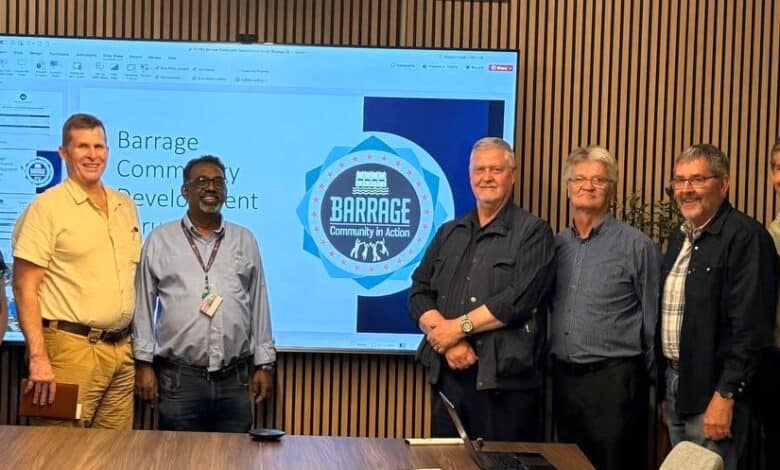
A high-level delegation from the North-West University (NWU) bhive Enterprise Development Centre (EDC), together with senior academic and entrepreneurship ecosystem leaders, recently visited Pont de Val as part of a broader community engagement initiative aimed at strengthening tourism development, skills training, safety collaboration and inclusive economic participation along the Vaal River corridor.
Founded in 2011 near Parys in the Free State, Pont de Val is a French-inspired riverside estate and hospitality destination featuring a boutique hotel, winery, restaurant and wedding venue. The estate is widely regarded as a countryside escape and contributes significantly to tourism in the region, which is known for its artistic heritage, historical character and growing visitor appeal. The surrounding area also includes communities facing socio-economic challenges, making it a key focus for inclusive development efforts.
The NWU delegation included Prof. Wynand Grobler, Director of the School of Economic Sciences; Prof. Herman van der Merwe, deputy dean for Teaching and Learning; Prof. Lindie du Plessis, executive director of the School of Tourism; Dr Johann Landsberg, manager of the bhive Enterprise Development Centre (EDC); and Martin Manmohan, entrepreneurship ecosystem project manager at the NWU.
The multidisciplinary team brought together expertise in economics, education, tourism and enterprise development to explore practical ways in which the university can contribute to local transformation.
The visit formed part of the community engagement mandate of the NWU, focusing on how academic institutions can actively respond to local development needs while strengthening regional tourism and economic growth.
Key issues discussed included unemployment, limited access to skills development opportunities, and the socio-economic conditions in nearby informal settlements. Participants also acknowledged concerns around crime in parts of the surrounding area, which continues to impact both community well-being and tourism potential.
A major focus of the engagement was how tourism can be used as a driver of inclusive economic development. Discussions explored the involvement of NWU students in research projects aimed at assessing business viability in the region, identifying opportunities for small enterprise development, and supporting sustainable tourism growth models that benefit local communities.
In addition, the initiative prioritises practical skills development for nearby communities, with proposed training programmes in hospitality-related fields such as housekeeping, room service, cleaning, food services and tour guiding. These programmes aim to equip residents with employable skills and open pathways into the tourism and hospitality industry.
The engagement also highlighted ongoing community clean-up campaigns already taking place in partnership with local community leaders and the South African Police Service (SAPS). These initiatives are aimed at improving environmental conditions, enhancing public safety and creating a more welcoming and attractive tourism environment along the Vaal River corridor.
Hotel director Rudolf Harmse emphasised the importance of collaboration in driving both tourism and community upliftment.
“We believe tourism must be built with communities, not next to them. Through clean-up campaigns with local leaders and the SAPS, and partnerships like this with the NWU, we are working to create a safer, cleaner and more inclusive environment that benefits everyone,” Harmse said.
Prof. Van der Merwe said the engagement reflects the commitment of the NWU to transformative community engagement.
“This is about taking the university beyond the classroom – using research, student involvement and partnerships to create real impact in communities and strengthen local economies,” he said.
Prof. Wynand Grobler also recognised the rich cultural and historical significance of the region, including the legacy of local communities associated with the development of key infrastructure such as the Vaal River bridge, which adds depth to the tourism identity and heritage value of the area.
He indicated that this engagement marks the beginning of strengthened collaboration with Pont de Val and other stakeholders, with continued focus on community engagement, tourism development, entrepreneurship support, skills training and inclusive economic transformation across the Vaal River tourism corridor.