SASOLBURG – The Sasol Foundation, in partnership with the Department of Basic Education, launched the InterSen Teacher Capacity Building Programme in the Fezile Dabi Education District in Parys on September 28.
The programme aims to strengthen the teaching of Mathematics and Natural Sciences in South African schools.
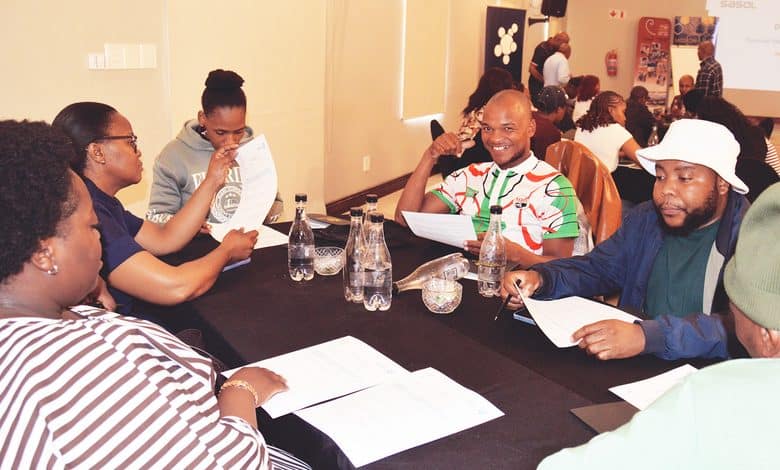
The three-year programme kicked off with 50 Grade 8 and 9 Mathematics teachers from schools in Fezile Dabi attending a week-long training session.
In 2027, the programme will expand to include 50 Natural Sciences teachers from the district.
Fezile Dabi is one of four pilot districts participating in the programme, alongside Gert Sibande, Dr Kenneth Kaunda and Alfred Nzo West.
Across the four districts, the programme is expected to reach approximately 30 district subject advisors and 400 teachers as well as their Departmental Heads.
“The InterSen Teacher Capacity Building Programme reflects the Sasol Foundation’s commitment to strengthening science, technology, engineering and mathematics (STEM) education through targeted teacher development, effective district support and sustainable improvements in classroom practice,” said Tshamani Mathebula, Head of the Sasol Foundation.
Designed to strengthen teachers’ confidence and competence in delivering CAPS-aligned Mathematics and Natural Sciences, the InterSen programme will be implemented through a three-party delivery model involving the Sasol Foundation, CASME and the participating education districts.
The programme aims to deepen foundational subject knowledge, promote practical and inquiry-based learning, and support the effective use of digital teaching tools, including Sketchpad and programmable calculators.
Instructional Leadership is a key component of the InterSen Programme aimed at strengthening the capacity of departmental heads and district subject advisors to lead and support improvements in the teaching and learning of Mathematics and Natural Sciences.
The component equips education leaders with practical skills to strengthen curriculum implementation and pedagogical practice, support teachers through classroom observation and coaching, use learner performance data to inform targeted interventions and improve subject planning, monitoring and accountability.
By strengthening leadership and support at school and district levels, the component complements the InterSen mathematics and natural sciences teacher capacity development interventions and helps ensure that effective teaching practices are sustained beyond training sessions.
It therefore contributes to the long-term sustainability, quality and impact of the programme and improved learner outcomes.
Implementation has commenced across all four pilot districts with the first of five instructional leadership modules successfully delivered to HODs and subject advisors.
The remaining modules will be implemented during subsequent phases of the programme to further strengthen school- and district-level instructional leadership and support improved STEM teaching and learning outcomes.
According to Mathebula, the InterSen programme responds to persistent gaps in learner achievement by improving teachers’ subject knowledge, pedagogical content knowledge and classroom practice.
“It also seeks to strengthen district-level support and instructional leadership, contributing to more sustainable improvements in STEM education,” she said.