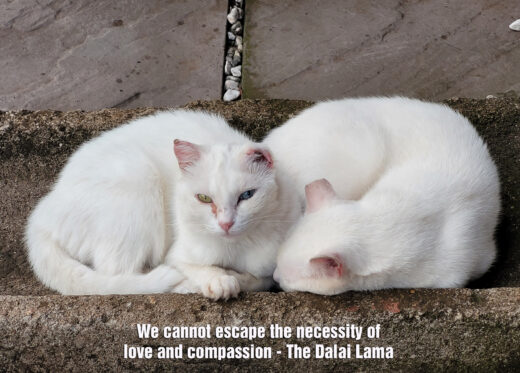
Don’t fear the ferals, help them
Feral cats can be found in almost any neighbourhood and although not always welcomed by residents, it is important to understand that these furry friends like any other animal just want to survive. Knowledge is power. Here are some handy info about feral cats.
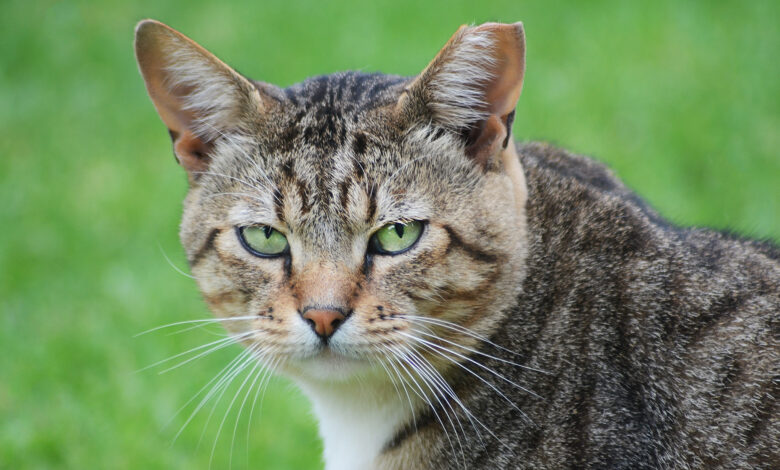
There is no need to fear or hate them. A cat born and raised wild is considered a feral cat. But then there are also those whom their humans left behind.
While some feral cats tolerate a bit of human contact, most are too fearful and wild to be handled.
Feral cats often live in groups called colonies, and take refuge wherever they can find food, rodents, other small animals and garbage.
Simply put, it’s not easy to be a feral cat – to be unloved by humans and endure weather extremes such as cold, heat and rain. They also face starvation, infection and attacks from other animals.
Unfortunately, almost half of the kittens born feral die from disease, exposure to the elements or parasites before their first year. Feral cats also face eradication by humans; poison and illegal trapping.
The lucky ones that live in a managed colony – a colony with a dedicated caretaker who provides sterilization services, regular feeding and proper shelter – can live quite a content life. Some may reach 10 years of age.
How you can help
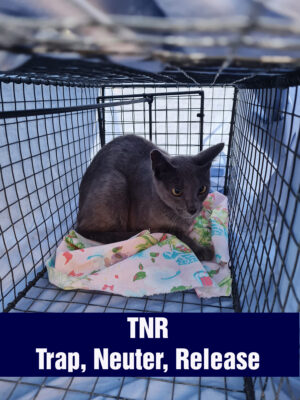
Trap-Neuter-Return (TNR) is the method of humanely trapping feral cats in a specially constructed trap, having them sterilized and then returning them to their colony to live out their lives.
The tip of the left ear will be removed for future identification.
TNR is the least costly and the most efficient and humane way of stabilising feral cat populations. It is important to have feral cats sterilized – not killed.
TNR helps the community by stabilising the population of the feral colony and, over time, reducing it. Yet, the benefit of natural rodent control is continued.
TNR also helps the community’s animal welfare resources by reducing the number of kittens that would end up in their shelters.
* Three Rivers Veterinary Clinic in Vereeniging) and Driehoek Diere Kliniek in Vanderbijlpark offers a special Feral Cat Programme which includes the hiring of traps at a nominal fee (they require that a person takes responsibility and monitors the traps).
Some extra helpful information about feral cats in the summer months (why they sometimes look dirty):
* Cats can resist hunger for up to a week on average, but no more than 2-3 days in case of thirst.
* Cats are usually very clean, they are groomed several times a day, if you see a cat that is not clean, it is DEHYDRATED and has been so for many days.
* Saliva glands are not functioning properly because they require moisture.
* If you see a stray kitten remember it has already had difficult days in which it probably hasn’t eaten or drank anything for a long time. Please show some kindness or compassion.
* If you can offer the stray for or water, please do so. This can only make you a better person.