
Halloween: A spooktacular celebration with deep roots
It is a global celebration with origins stretching back over 2,000 years ago.
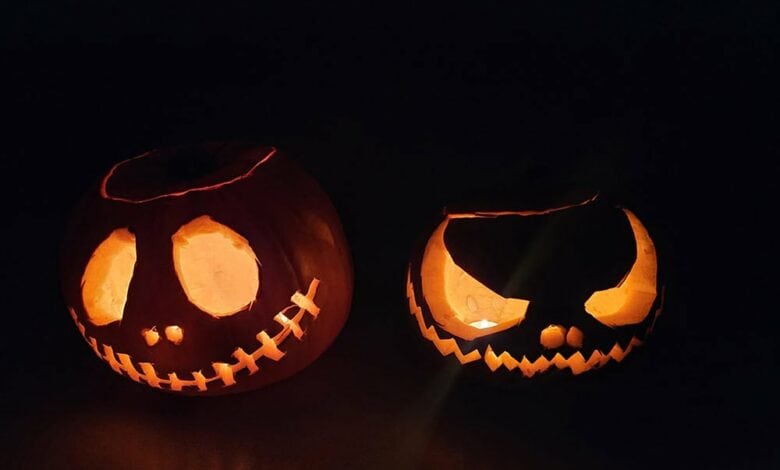
As we reach the end of October month, people around the world prepare to don costumes, carve pumpkins, and indulge in sweet treats.
Halloween, celebrated on October 31st, has also gained popularity in South Africa, but what do we really know about this festive occasion?
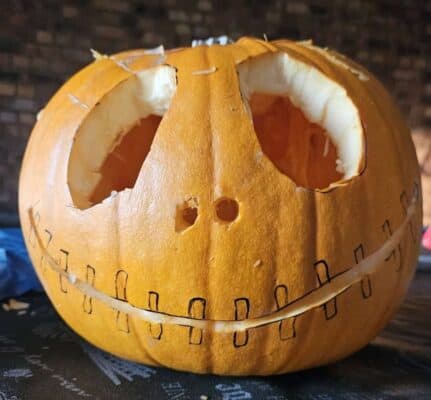
The origins of Halloween
Halloween’s origins can be traced back over 2,000 years to the ancient Celtic festival of Samhain.
Celebrated by the Celts in what is now Ireland, the festival marked the end of the harvest season and the beginning of winter.
It was believed that on the night of Samhain, the boundary between the living and the dead blurred, allowing spirits to return to Earth.
To ward off these roaming spirits, people would light bonfires and wear costumes made of animal skins.
With the spread of Christianity, the celebration evolved.
In the 8th century, Pope Gregory III designated November 1st as All Saints’ Day, a day to honor saints and martyrs.
The evening before became known as All Hallows’ Eve, which eventually morphed into Halloween.
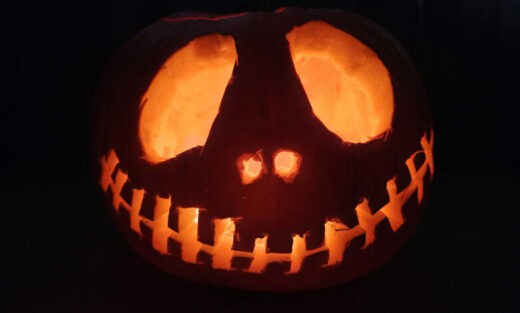
Celebrations around the world
Today, Halloween is celebrated in various forms across the globe. In the United States and Canada, it’s marked by trick-or-treating, where children dress in costumes and go door-to-door asking for candy.
In Mexico, the Day of the Dead (Día de los Muertos) coincides with Halloween, celebrating deceased loved ones with vibrant altars and festivities.
In Ireland, the birthplace of Halloween, people still observe traditional customs, such as bobbing for apples and lighting bonfires.
While South Africa may not have a long-standing Halloween tradition, its observance is growing, particularly in urban areas.
Many communities now host events such as Halloween parties, costume contests, and themed activities for families.
Shopping malls and entertainment venues often deck themselves in spooky decorations, inviting children and adults alike to participate in the fun.
Significance of Halloween
Beyond the costumes and candy, Halloween carries cultural significance.
It serves as a time to reflect on life and death, bridging ancient beliefs with modern-day festivities.
It offers an opportunity for communities to come together, fostering connections through shared experiences of fun and creativity.
Moreover, Halloween encourages imaginative play, allowing children to express themselves through costumes and role-playing.
It also provides a platform for local businesses to thrive, with increased sales in decorations, costumes, and confectionery.