Disability Students Unions a voice for the disabled in higher education institutions
Despite the progress made in promoting accessibility and inclusivity, students with disabilities remain marginalised.

SEDIBENG.- South African higher education institutions have a long history of student activism, with student formations playing a vital role in shaping the country’s education landscape.
Despite the progress made in promoting accessibility and inclusivity, students with disabilities remain marginalised and excluded from mainstream student life. The Disability Students Unions (DSUs) can amplify the voices of students with Disabilities and advocate for their rights.
The significance of DSUs cannot be overstated. Ed Roberts, a pioneering disability rights activist, exemplifies the impact that students with disabilities can have when organised and empowered. Roberts, who contracted polio at the age of 14, went on to become a leading advocate for disability rights in the United States.
He co-founded the Independent Living Movement and played a crucial role in shaping the Americans with Disabilities Act (ADA).
The United Nations Convention on the Rights of Persons with Disabilities (CRPD), ratified by South Africa in 2007, emphasises the importance of inclusive education.
Article 24 of the CRPD states, “States Parties shall ensure an inclusive education system at all levels and lifelong learning directed to the full development of human potential and sense of dignity and self-worth.”
DSUs are critical in ensuring that higher education institutions comply with this provision and provide an inclusive learning environment that caters to the diverse needs of students with disabilities.
DSUs can achieve this in several ways.
Firstly, they can serve as a platform for students with disabilities to share their experiences, challenges, and concerns. This helps to create a sense of community and solidarity among students with disabilities, who often face similar barriers and obstacles.
Secondly, DSUs can advocate for policy changes and infrastructure development that promote accessibility and inclusivity. This may include campaigning for wheelchair-accessible facilities, Sign Language interpretation services, and adaptable learning materials.
Finally, DSUs can provide support and resources to students with disabilities, such as mentorship programmes, academic support services, and social events.
For DSUs to be effective, they need to be visible and recognised as a force to be reckoned with. They can learn from other student formation experiences and adopt similar strategies to raise awareness about disability issues, mobilise support, and push for policy changes.
Disability Students Unions are essential in promoting the rights and interests of students with disabilities in South African higher education institutions. By amplifying the voices of students with disabilities, advocating for inclusive education, and providing support and resources, DSUs can help create a more equitable and accessible learning environment.
It is time for DSUs to take their rightful place and shape the future of higher education in South Africa.
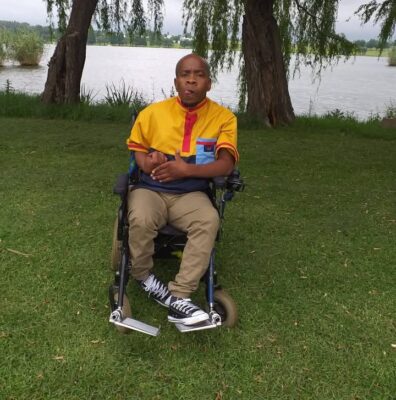
(Opinion piece by Lucky Tumahole, a Disability Advocate)