The Politics of Disability Culture in a Disabled Society
Disability culture is as diverse as the individuals who contribute to it
SEDIBENG.- Disability culture encompasses the unique experiences, perspectives, and practices that emerge from the lives and communities of disabled individuals. Characterized by a shared identity, history, and sense of belonging, disability culture fosters pride, empowerment, and inclusivity. It not only celebrates diversity and individuality but also actively challenges ableism and advocates for social change.
Disability culture is as diverse as the individuals who contribute to it. Disabled people represent a wide spectrum of experiences, abilities, and identities. Personal traits such as resilience, empathy, and assertiveness shape how individuals engage with and influence disability culture, affecting advocacy styles, community dynamics, and the ways disabled people navigate societal barriers. This diversity is a strength, fostering a rich, multifaceted culture that challenges stereotypes and disrupts societal norms.
Identifying as disabled is a powerful act of self-affirmation and solidarity. It allows individuals to claim their place within a community that shares common struggles and aspirations. The terms “disabled people” and “people with disabilities” are both widely accepted, but they carry distinct meanings.
“Disabled people” emphasizes the societal and systemic barriers that disable individuals, aligning with the social model of disability. In contrast, “people with disabilities” prioritizes personhood, acknowledging that disability is just one aspect of an individual’s identity. Both terms are valid and reflect the evolving discourse within disability culture.
However, not all disabled individuals identify as such. This may stem from internalized stigma, where people distance themselves from the label to avoid discrimination or negative stereotypes. Others may not see their condition as a defining aspect of their identity, choosing instead to focus on different facets of their lives.
While these perspectives are valid, disengagement from disability culture can weaken collective advocacy efforts. When individuals withdraw, it risks undermining the progress made by the disability rights movement and may contribute to the “deculturing” of the community.
To sustain disability culture, it is essential to foster an inclusive and empowering environment that celebrates diversity and encourages self-identification. Education, advocacy, and community-building play a vital role in ensuring that disability culture remains vibrant and resilient.
By embracing our differences and uniting under a shared vision of equality and justice, we can continue to challenge societal barriers and create a world where all individuals, regardless of ability, can thrive.
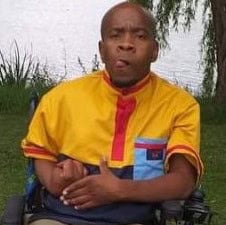
- Lucky Tumahole is a ‘Disability Advocate’, this is his opinion.