
Vigilance urged as more cases of Mpox emerge
Common symptoms for Mpox include rash, fever, sore throat, headache, muscle aches, back pain, low energy, and swollen lymph nodes. Symptoms usually begin within a week but can start one to 21 days after exposure. Some people may have skin lesions, which can appear anywhere on the body.
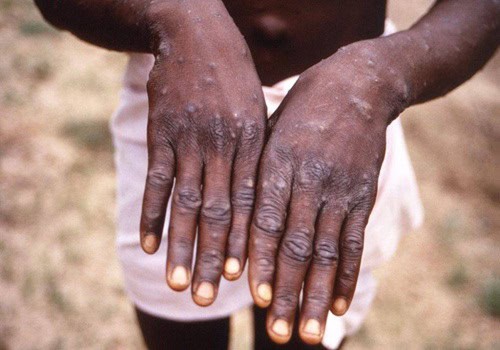
The National Department of Health (NDoH) calls for ongoing public vigilance against Mpox symptoms following the confirmation of three more cases in Ekhuruleni, Gauteng.
On March 19, the department confirmed that a 38-year-old man who presented to a healthcare facility with symptoms and two others who are both contacts had tested positive for Mpox.
Spokesperson for the NDoH, Foster Mohale said none of the patients have a recent travel history to countries or regions currently experiencing an Mpox outbreak, which suggests local transmission.
“This also highlights the necessity of rapid and well-coordinated contact tracing for early detection and effective management of cases. This increases the cumulative number of positive cases from 28 to 31 since the outbreak in May 2024. Six of the cases were recorded this year.”
Common symptoms for Mpox include rash, fever, sore throat, headache, muscle aches, back pain, low energy, and swollen lymph nodes. Symptoms usually begin within a week but can start one to 21 days after exposure. Some people may have skin lesions, which can appear anywhere on the body.
Mohale said the patients self-isolate and receive appropriate clinical management from healthcare workers.
The health department has since activated outbreak response teams in the province for contact tracing and case investigation in the affected areas.
Mpox is typically a mild and self-limiting disease with a low case fatality rate.
Treatment (Tecovirimat) for those experiencing severe health complications as a result of the Mpox is available at healthcare facilities.
However, those with mild cases will continue to be managed with supportive treatment used to manage complications like fever, pneumonia, and skin infections.
It is also important to note that most people recover a few weeks after being infected, and after diagnosis, individuals should isolate and avoid close contact with others for at least 21 days or until full recovery.