Rethinking Disability Representation: The role and limitations of disabled people’s organisations
This also means that disabled people at the grassroots often feel unheard and unrepresented.
Disabled People’s Organizations (DPOs) are crucial vehicles for advancing the rights and inclusion of persons with disabilities globally. Broadly defined, a DPO is an organization controlled by and primarily composed of people with disabilities.
This “nothing about us without us” principle is fundamental to their legitimacy and effectiveness. DPOs serve as vital platforms for advocacy, mutual support, and the collective articulation of the disability community’s needs and aspirations. Nationally, DPOs frequently contribute to policy direction, offering invaluable perspectives and lived experiences that shape legislation and programs.
However, their contribution often manifests as a “forum” rather than a “council,” a distinction that significantly impacts their influence, particularly when engaging with government.
Forums are typically informal platforms where ideas, experiences, and perspectives are exchanged. They serve as consultative spaces without formal decision-making powers. Forums are excellent for fostering dialogue and building solidarity among stakeholders but are not designed to enforce or implement policies.
Councils, on the other hand, are formal decision-making bodies often recognized by law or policy frameworks.
They are empowered to influence, develop, and oversee the implementation of programs and policies. Councils carry legitimacy and authority that forums inherently lack. The importance of a council in the disability sector, especially when partnering with or working with government, cannot be overstated. A council structure allows for a more structured and authoritative engagement. When DPOs participate as a council, their recommendations carry more weight; they can negotiate, hold government accountable, and jointly implement initiatives.
This formalised partnership fosters a sense of shared ownership and responsibility, moving beyond mere consultation to active collaboration. Without the authority of a council, DPOs often find themselves in a reactive position, responding to government proposals rather than proactively shaping the agenda from a position of equal partnership. This often leads to a tokenistic engagement rather than a genuine collaboration that can lead to impactful change.
A significant weakness of the current DPO landscape, both nationally and internationally, is the glaring omission of a dedicated focus on local government issues. Despite the critical impact of local policies on the daily lives of persons with disabilities, national and international disability policies rarely delve into the intricacies of local governance. This oversight means there are effectively no DPOs solely dedicated to addressing issues at the municipal or community level.
The United Nations Convention on the Rights of Persons with Disabilities (UNCRPD), for instance, while a groundbreaking international treaty, primarily focuses on state parties’ obligations at the national level. While its principles are universally applicable, it does not explicitly mandate or provide guidance on how local governments should implement these rights, nor does it typically inspire the formation of DPOs focused on local bylaws, accessibility of local infrastructure, or community-level service delivery.
Take a look at its Article 19 which focuses on living independently and being included in the community. While it advocates for community integration, it does not provide guidance on how local governments can adapt infrastructure or services to meet the needs of persons with disabilities in rural or underserved areas. This creates a disconnect between grand policy pronouncements and the lived realities on the ground.
The absence of DPOs dedicated to local government issues has profound consequences. Local governments are responsible for essential services that directly affect the lives of persons with disabilities, including public transportation, accessible infrastructure (sidewalks, ramps, public buildings), local employment initiatives, community health services, and recreational facilities.
When DPOs are primarily focused on national policy, these critical local issues often fall through the cracks. For example, a national policy on inclusive education might exist, but without local DPOs advocating for accessible school buildings, specialized teaching resources, or inclusive extracurricular activities within a specific municipality, the policy’s impact remains limited.
This also means that disabled people at the grassroots often feel unheard and unrepresented, as the national DPOs may be too far removed from their immediate concerns.
To bridge this critical gap and strengthen the overall disability movement, DPOs must map a way forward by establishing regional structures. These structures should include regional disability councils dedicated to addressing local issues, even within a national framework. These regional councils would serve as formalized bodies with a clear mandate to engage with local government entities, advocate for specific local policy changes, monitor the implementation of accessibility standards in public spaces, and ensure that local service delivery is inclusive and responsive to the needs of persons with disabilities within their specific geographic area.
Such a decentralised approach would empower local disability advocates, foster stronger community engagement, and ensure that national policies are effectively translated into tangible improvements at the grassroots level. By forming regional councils, DPOs would transition from being mere forums for discussion to authoritative bodies capable of driving concrete change in collaboration with local authorities.
This shift would not only enhance the effectiveness of DPOs but also significantly improve the lives of persons with disabilities by addressing the very real, day-to-day barriers they encounter in their own communities.
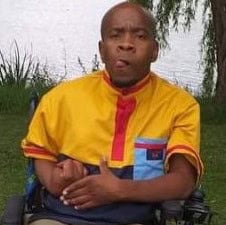
(Lucky Tumahole is a Disability Advocate, this is his opinion)