Alarming plant pathogen in Port Edward
Pennington was the first place in South Africa where the myrtle rust was found.
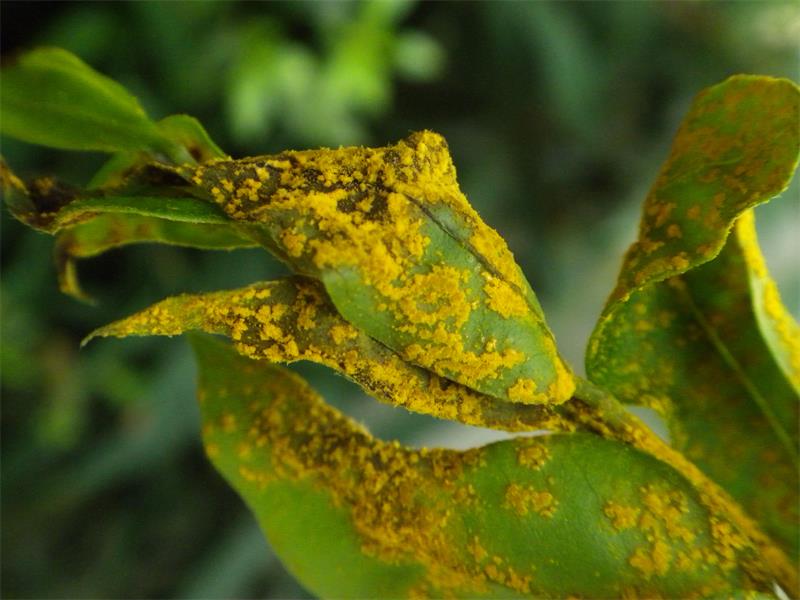
A DEVASTATING, non-native plant pathogen, first found in Pennington and now spreading rapidly through South Africa, has recently been detected in Port Edward.
According to Professor Jolanda Roux from the University of Pretoria, a rust called Puccinia psidii, a serious fungal pathogen of plants in the family Myrtaceae, was detected for the first time in South Africa, in a garden in Pennington, in May 2013.
Despite regular surveys in the area and awareness campaigns in local newspapers and at nurseries along the South Coast, no other plants infected by the pathogen were reported from the region last year. However, at the end of winter last year, botanists were surprised to find two native Eugenia natalitia plants infected with P psidii in the Wolkberg Wilderness area in the Limpopo Province. Subsequent surveys in the area led to the detection of several other infected Eugenia plants along streams in that region.
“This is strange, given how far the Wolkberg is from KwaZulu-Natal where the first outbreak occurred,” said Prof Roux.
Even more recently, in February this year, myrtle rust was detected on non-native Backhousia citriodora (lemon myrtle) in a garden in Irene, near Pretoria, in Gauteng. The most recent detection of the myrtle rust pathogen was made two weeks ago in Port Edward where several infected, native myrtaceae were found in a private nursery. Infected plants included species of Eugenia and Heteropyxis natalensis.
Puccinia psidii has been described as the biggest threat to the ecosystem in Australia. For many years it was only known from South America, where it is thought to have originated. During the course of the past two decades it has spread to Hawaii, Asia, Australia and most recently South Africa.
In Australia, where P psidii has been known since 2010, botanists fear the complete destruction of some of their native Australian Myrtaceae. Despite efforts to eradicate this invasive rust pathogen, it has already spread widely, now occurring along the entire east coast of Australia. Many species are being significantly impacted, their survival even threatened.
Typical signs and symptoms of myrtle rust include the presence of bright yellow (sometimes white), powdery spore masses of the fungus on affected plant parts. Puccinia psidii infects young, succulent, actively growing plant parts such as new shoots, flower buds and fruits. Infection is initially characterized by the formation of reddish spots, which can enlarge and become covered in yellow spore masses. On susceptible plants, infected leaves and shoots will die, resulting in leaf drop and die-back.
Plant pathologists at the University of Pretoria’s Forestry and Agricultural Biotechnology Institute (FABI) (www.fabinet.up.ac.za) have been studying P psidii and other fungal and insect tree threats for many years. They consider the myrtle rust pathogen as one of the most important threats to South African Myrtaceae.
Gardeners and nature lovers can help to contain the plant disease by checking plants in their gardens, in parks and in forests for the presence of myrtle rust. Signs and symptoms of this threatening disease should be reported to FABI.
“We appeal to all nursery managers and owners to inspect any Myrtaceae regularly for the presence of the disease and not to sell infected plants. Please contact FABI for assistance,” said Prof Roux.
For assistance in diagnosing myrtle rust and advice on its management please contact Prof. Roux at jolanda.roux@fabi.up.ac.za or 012 4203938/9.