November 14 is World Diabetes Day
The International Diabetes Federation (IDF) theme for World Diabetes Day 2018 and 2019 is ‘The Family and Diabetes’. The focus is on raising awareness of the impact that diabetes has on the family and support network of those affected, and to promote the role of the family in the management, care, prevention and education of diabetes.
Hearing the diagnosis for the first time that you have diabetes can be overwhelming and may leave you with mixed emotions – it’s stressful, requires an entirely new approach to aspects such as lifestyle, diet and exercise, and it’s tough to manage for the whole family. It’s one of the reasons why this year’s theme for World Diabetes Day ‘The Family and Diabetes’ – provides important educational support for families living with diabetes.
“The most important message we can give is that if you are living with either type 1 or type 2 diabetes – it’s perfectly possible to lead a healthy, fulfilling and active life with the right healthcare and family support, medication and personal attitude.” explains Dr Aneesa Sheik, Medical Director at Lilly South Africa.
What’s the difference between Type 1 and Type 2 diabetes?
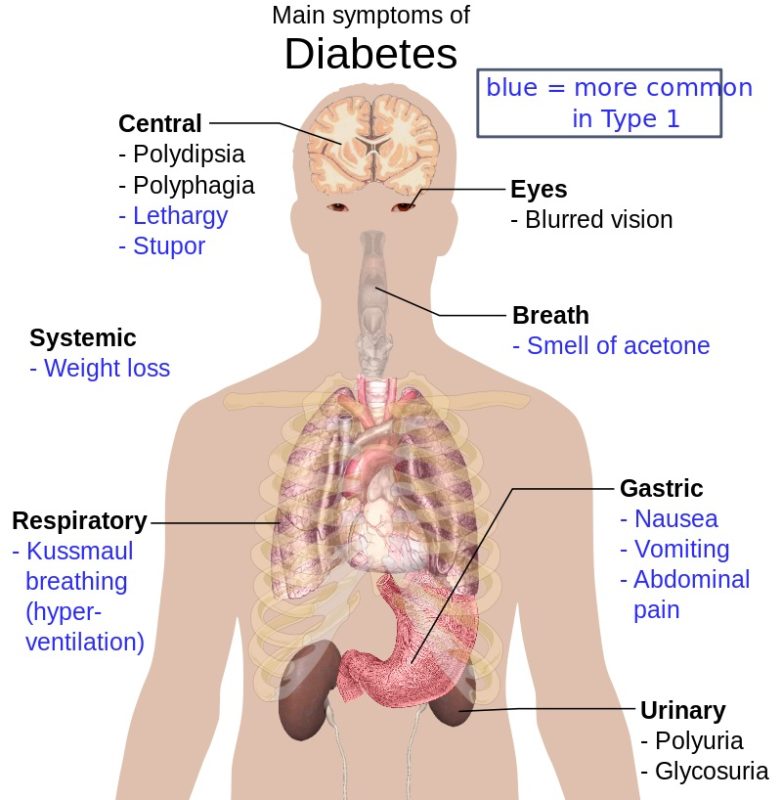
- If you have Type 1 diabetes, your body is unable to produce sufficient insulin of its own in order to maintain healthy blood sugar levels. It usually begins in childhood or adolescence and is caused by a faulty autoimmune response that causes the body to destroy the pancreatic cells that produce insulin, which in turn leads to an insulin deficiency. People with type 1 diabetes must take insulin as it is vital to staying healthy and achieving the most consistently normal sugar levels, and quality of life. There’s no cure for type 1 diabetes although researchers are working on preventing the disease as well as the further destructive progression of the disease in people who are newly diagnosed.
- Type 2 diabetes is far more common and according to the IDF, there were 1.28 million diagnosed cases of diabetes in South Africa in 2017, with a prevalence of 5.4 percent in the adult population. In the case of type 2 diabetes, insulin is produced, but the body’s cells do not respond to it correctly. Instead, the body becomes resistant to insulin. It is most often, but not always, associated with obesity, poor diet, physical inactivity, advancing age, family history of diabetes, ethnicity and high blood glucose during pregnancy. It can go undiagnosed for years. Due to the progressive nature of the disease, most type 2 cases will eventually need insulin to be added to their treatment. However, many cases of type 2 diabetes can be prevented by making simple changes in our everyday lives and knowing the risks.
Understand the symptoms
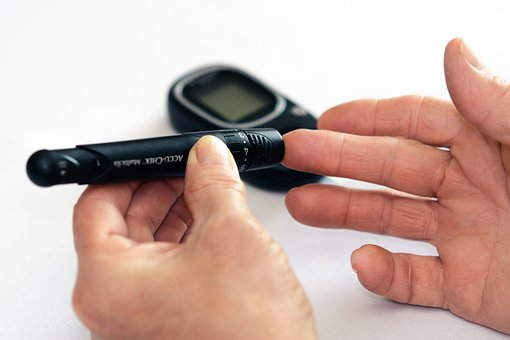
Sometimes people overlook the warning signs of diabetes because they do not experience symptoms, or the symptoms seem harmless. It is important to talk with a health care provider if you have noticed:
- unusual weight loss;
- frequent urination;
- tingling or numbness in your hands or feet;
- a persistent feeling of hunger or thirst;
- drowsiness, nausea or blurred vision;
- slow healing wounds, and
- frequent fungal infections.

Management of diabetes is crucial for your future health
If diabetes is diagnosed – whether Type 1 or Type 2 – it’s very important to manage your blood sugar levels according to the guidelines provided by your doctor or healthcare provider. The huge emphasis on strict control and disease management if you’re living with diabetes is with very good reason. Diabetes is an exceptionally challenging disease to live with and manage, requiring the support of specialist doctors, and a huge amount of discipline on the part of the patient in managing the demanding diet, lifestyle and treatment regimen. This is why the support of family members and their understanding of this condition is so important for the patient living with diabetes.
Poor management of diabetes today has significant health repercussions for later on in life such as kidney failure, heart failure, blindness and nerve damage. The damage to the nerves may ultimately result in a loss of limbs. How well you manage your diabetes today, will influence the quality of life you can expect to live later in life.
Insulin treatment is not the enemy – poor sugar control is
Many patients are overwhelmed by the prospect of having to go onto insulin treatment. It is important to know that it is not a failure if you need insulin treatment as diabetes is a progressive disease, so in most cases all people living with diabetes will eventually need insulin. Good control of blood sugar levels is the ultimate goal, and effective insulin treatment will help prevent other serious issues like heart disease, stroke, nerve damage, organ damage, eye problems or in extreme cases, premature death.

Insulin is a hormone that’s made by the pancreas and its purpose is to help the body move glucose into cells for energy. When your pancreas can’t produce enough insulin or fails to function properly, blood sugar (glucose) levels can rise — leading to diabetes. If you are diagnosed with diabetes, you may need insulin treatment to help control your blood sugar level.
Know your myths and facts:
- Being on insulin will not disrupt your daily routine.
- Insulin does not cause complications such as blindness. Along with other medications it helps to reduce complications by controlling your blood sugar level.
- Starting insulin does not mean you are failing to take care of your diabetes. For many people with type 2 diabetes, the body gradually produces less and less of its own insulin. Eventually, oral medications may not be enough to keep blood sugar levels normal. Using insulin to keep a healthy level is the responsible thing to do for your own health.
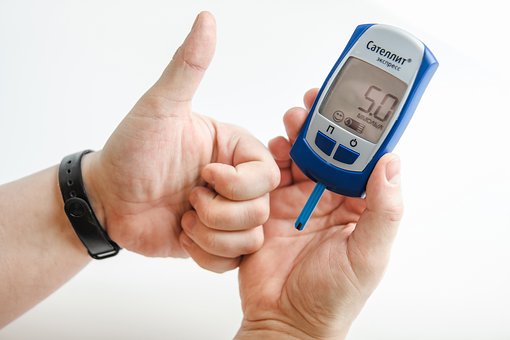
The best approach is to be methodical in your planning and to work out a daily programme that keeps you on track and becomes part of your routine. Your healthcare provider or diabetes educator is also a very important source of information and experience, so don’t be afraid to engage with them about your concerns, no matter how minor you may think they are. The fact is that with proper management, you can overcome challenges that turn your journey with diabetes into a success story. Know the value of building a support system around you because diabetes requires healthcare providers, daily attention and commitment – and often involves your whole family.
Track your symptoms
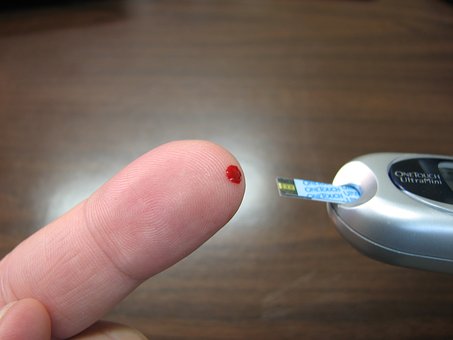
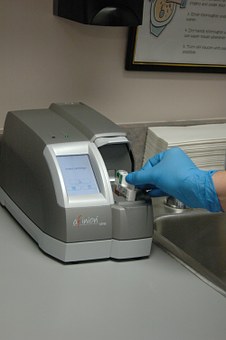
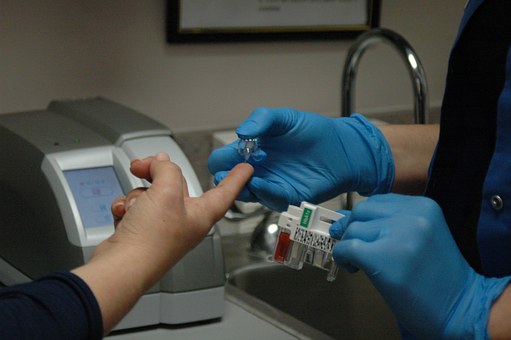
When managing long-term health conditions, you may find it helpful to keep track of any symptoms you experience such as pain, fatigue, insomnia or nausea. What makes them worse? What makes them better? How do medications, foods, activities, people, and stress affect you? You can also keep track of other readings that affect your symptoms, like blood pressure or blood sugar readings. Bring all the information recorded (blood pressure, blood sugar, pain, fatigue, etc) to appointments and share them with your healthcare provider, as well as with your family. Consider asking your family for their thoughts about the information that you have recorded and what they have noticed about your symptoms.
Take care
Above all be healthy, active and look after your heart. It doesn’t have to be a complicated routine. Even a small increase in daily physical activity can make a big difference. While some risk factors for diabetes such as age, ethnicity and family history can’t be changed, many other risk factors such as managing your weight, eating healthy foods in the right quantities and exercising regularly can be managed.
Your doctor is your best resource for information about living with diabetes. However, while your healthcare team will advise and support you, how well your diabetes is managed depends on you. Use the resources available to empower yourself to improve your metabolic control, increase fitness levels and manage weight loss and other cardiovascular disease risk factors, which in turn will improve your sense of well-being and quality of life.
HAVE YOUR SAY
Like our Facebook page, follow us on Twitter and Instagram
For news straight to your phone, add us on WhatsApp 082 421 6033