All about Easter eggs – why are they associated with this Christian festival?
They are not just a sweet treat - there is a deeper significance.
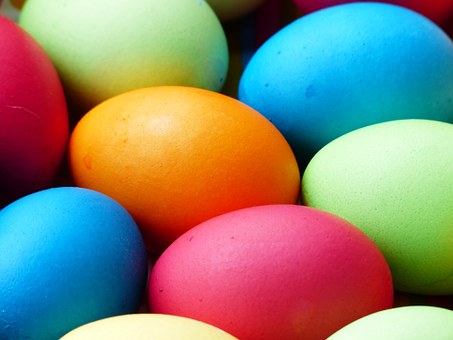
EASTER eggs are decorated eggs that are often given to celebrate Easter. The oldest tradition is to use dyed and painted chicken eggs, but a modern custom is to substitute chocolate eggs, or plastic eggs filled with sweets such as jelly beans.
YOU MIGHT ALSO BE INTERESTED IN: Your Easter holiday ‘bucket list’
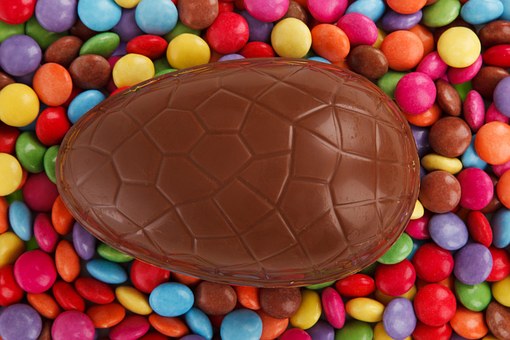
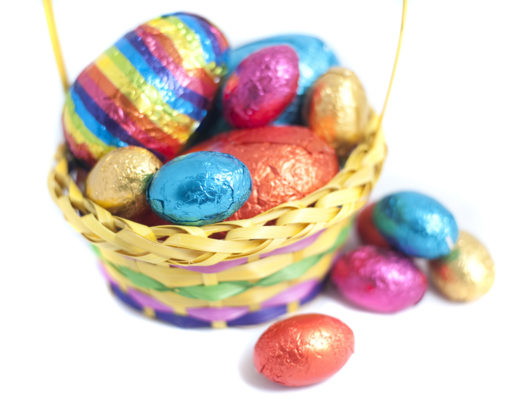
These eggs can be hidden for children to find on Easter morning, and the children may be told these were left by the Easter Bunny. The eggs may also be put in a basket filled with real or artificial straw to resemble a bird’s nest.
In Christianity, the celebration of Easter includes Easter eggs symbolising the empty tomb of Jesus: though an egg appears to be like the stone of a tomb, a bird hatches from it with life; similarly, the Easter egg, for Christians, is a reminder that Jesus rose from the grave, and that those who believe will also experience eternal life.
The practice of decorating eggshell is ancient, pre-dating Christian traditions. Ostrich eggs with engraved decoration that are 60,000 years old have been found in Africa. Decorated ostrich eggs, and representations of ostrich eggs in gold and silver, were commonly placed in graves of the ancient Sumerians and Egyptians as early as 5,000 years ago.
The custom of the Easter egg, however, originated in the early Christians of Mesopotamia, who stained eggs red in memory of the blood of Christ, shed at His crucifixion. The Christian Church officially adopted the custom, regarding the eggs as a symbol of the resurrection.
Information and photo from Wikipedia
HAVE YOUR SAY
Like our Facebook page, follow us on Twitter and Instagram
For news straight to your phone, add us on BBM 58F3D7A7 or WhatsApp 082 421 6033