Why do so many people suffer from allergies?
According to the Allergy Foundation South Africa, many sufferers do not seek help as they simply get used to living with their symptoms.
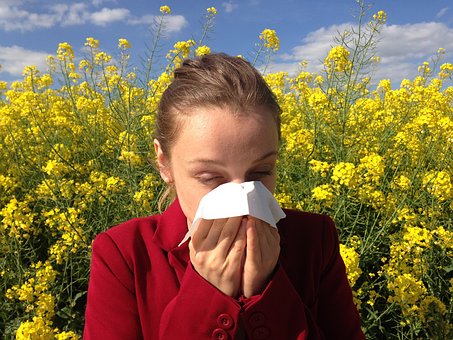
With spring around the corner, seasonal allergy sufferers may be bracing themselves for what is being described as a 21st-century epidemic, an apparent increase in the number of people suffering from a variety of allergies.
While there is no specific explanation for the growing number of people with allergies, it is thought that this could be linked to new eating habits, allergen exposure (early on in life), increasing air pollution, as well as the change in climate.
ALSO READ: What makes you sneeze?
Recent studies have shown that levels of pollen, one of the most common allergens for seasonal allergy sufferers, are gradually increasing every year. This is being attributed to the climate change, more specifically, warmer temperatures and milder winters which triggers plants to start producing and releasing pollen earlier.
Dr Corli Lodder of the Allergy Clinic in Boksburg, Johannesburg concurs. “I do agree with the fact that global warming and pollution are playing a part in the increase of allergic conditions and the severity”. He also attributes the increase in allergies to the increase in the presence of mould. “We know now that the climate is changing due to pollution and global warming. We have longer warm seasons and due to the increase in temperature, the humidity of areas is changing, leading to an increase in mould growth and the possibility of more severe allergies. Thunderstorms are more common, leading to more severe grass pollen reactions. The pollen disintegrates and ‘explodes’, presenting smaller particles which are more allergenic and can penetrate the airways more efficiently.”
Common symptoms of allergic rhinitis include sneezing, a runny, stuffy or itchy nose, coughing, a sore or scratchy throat, itchy or watery eyes, dark circles under the eyes, frequent headaches and excessive fatigue.
Dr Lodder says sufferers in the Highveld areas of South Africa are particularly at risk. “These patients would be allergic to grass pollen. Symptoms are often more severe during spring and early summer but can be present during autumn and winter as well due to the warmer climate and grass pollen that is present during the whole year. Tree pollen will cause symptoms mostly in spring. Indoor allergens such as house dust mites and moulds, can also lead to runny noses as well as blocked noses,” he says.
Alarmingly, 50% of runny, blocked and itchy noses are caused by allergies and up to 30% of the worldwide population are affected by allergies at some point, with their prevalence is on the rise. Allergies have a major impact on an individual’s quality of life, with sufferers reporting the following experiences regarding their nasal allergy symptoms:
- 80% feel tired
- 65% feel miserable
- 64% feel irritable
- 36% feel depressed
- 23% feel embarrassed
Dr Lodder says that people often suffer with constant runny noses and watery eyes without thinking that it can be an allergy and that this can be treated. “I think it is specially a problem in families with more than one person suffering because it is perceived to be normal,” he says. Furthermore, he says that people with constantly blocked noses which often lead to more troublesome symptoms can result in patients consulting with doctors, thinking they are experiencing sinus issues and being given antibiotics. This leads to the recurrent unnecessary use of antibiotics.
While some people have allergies from early childhood, others can develop them only later in life.
“Allergic inflammation follows sensitisation to an allergen and develops over time. This can differ in patients and can cause symptoms at any stage in life. The elderly are often neglected and under treated due to the misbelief that allergies cannot start to cause symptoms late in life. The environment and exposure to specific allergens can be the determining factor of when symptoms will present,” says Dr Lodder.
According to the Allergy Foundation South Africa, many sufferers do not seek help as they simply get used to living with these symptoms.
HAVE YOUR SAY
Like the South Coast Herald’s Facebook page, follow us on Twitter and Instagram
To receive our FREE email newsletter, click HERE