The vital importance of plastics recycling
South Africa, which recycles approximately 45 percent of its plastic waste – significantly higher than the global average – is among a number of countries supporting the motion.
All eyes were recently on Geneva, Switzerland, where members of the 14th Conference of Parties to the Basel Convention (COP14) are considering a Norwegian proposal to add plastic to a list of wastes governed by the convention that will see tighter restrictions on its transboundary movement.
ALSO READ: ‘Ban plastic completely’ says enviro adventurer
South Africa, which recycles approximately 45 percent of its plastic waste – significantly higher than the global average – is among a number of countries supporting the motion.
Should it succeed, it could spark a paradigm shift in how the world deals with its plastic waste.
Operation National Sword
In January 2018, China – having previously imported and recycled over half the world’s recyclable waste, but now becoming overwhelmed by an increase in soiled and contaminated materials – enacted a ban (named ‘Operation National Sword’) on the import of most waste plastics, triggering a crisis of the world’s recycling economy.
Countries that have historically relied on exporting their waste to Chinese processors – including the US and countries in the European Union, which export 70 and 95 percent respectively of their plastic waste – are scrambling to find alternative solutions for how they dispose of their waste.
And while greater quantities of plastics are being landfilled and incinerated, most of this waste is now being exported to lower-income countries in Southeast Asia, many of which do not have adequate infrastructure to handle recyclables.
Without adequate management, it is likely that this waste will continue to add to the plastic contamination of our ocean, already burdened by an estimated 150 million tonnes of plastic trash.
This is among our most pressing environmental challenges, as our oceans produce 50 percent of our oxygen; absorb one third of all CO2 produced on Earth; and are relied on by over thre billion people for their livelihoods.
Rethinking plastics
The real solution to this issue is in the circular economy, and this is why COP14 is so significant: tighter restrictions on how plastic waste is handled and processed internationally will place more pressure on countries to develop their own recycling infrastructure to process their own waste.
“We need to seize this momentum to devise a sustainable solution to dealing with plastic waste that will minimise our ecological impact, now and in the future,” explains Chris Braybrooke from leading environmental services company Veolia Water Technologies.
Doing so will require a complete reassessment of the lifecycle and economy of plastics. “In order to be able to reuse our plastic, we need to shift away from strong, single-use plastics to polymers that biodegrade quickly or can be recycled,” Braybrooke says. “Recycling requires products designed to be recycled, and the variety of resins, additives and mixtures used in today’s plastics industry makes recycling more complicated.”
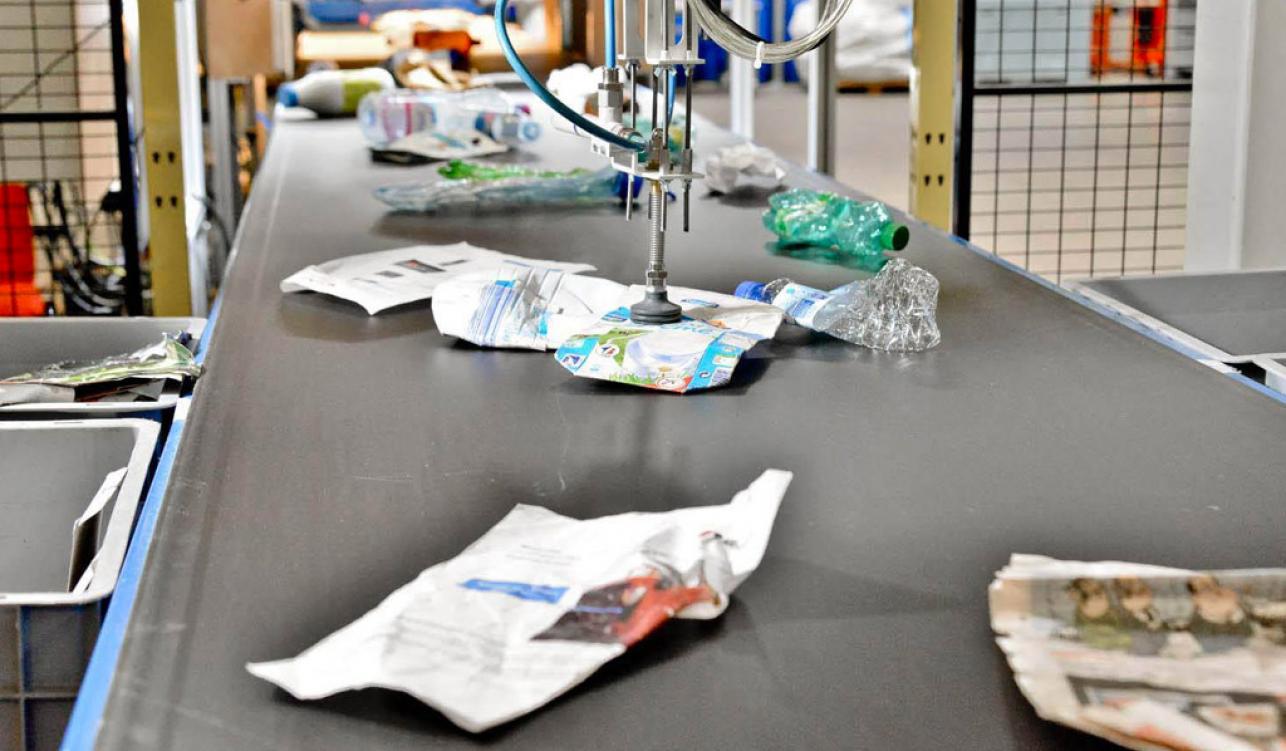
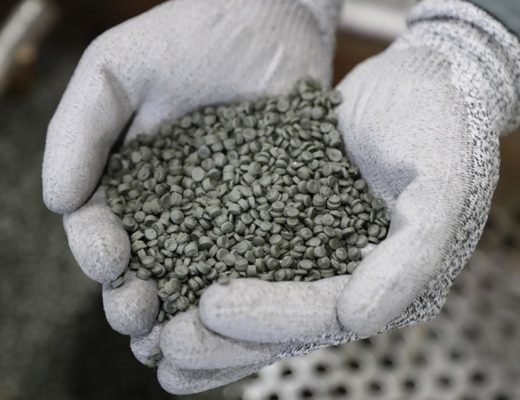
Once manufacturers commit to an eco-design plastic, the priority shifts to ensuring recyclables can be processed with maximum efficiency and speed to ensure recycled plastic can be supplied more cost-effectively and thus has increased commercial viability.
Behind some of the world’s most efficient and innovative plastic recycling plants are technologies and public-private partnerships delivered and managed by Veolia.
HAVE YOUR SAY
Like the South Coast Herald’s Facebook page, follow us on Twitter and Instagram
To receive our FREE email newsletter, click HERE