Hospital has a rich history
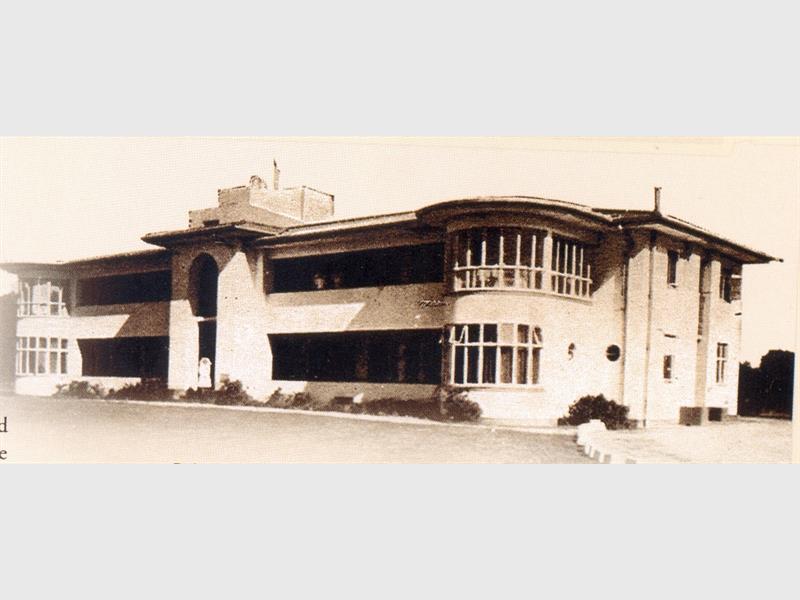
In 1936, George Joseph Crookes offered to build and equip a hospital in Scottburgh, an offer described as" the most generous ever made by an individual".
DURING the Rinderpest epidemic in the 1890s, local tribesmen were encouraged to take their cattle to the hill above Scottburgh where they were placed in quarantine and inoculated against the disease by George Joseph Crookes who had obtained the serum from the government.
All cattle that succumbed to the disease were also buried there and because of this the area became known as “Rinderpest Hill”.
ALSO READ : Turning back time
As there were no hospital facilities between Durban and Port Shepstone except for small dressing stations on each of the estates and a small hospital at Esperanza run by the Indian Immigration Department, there was a dire need for a hospital to serve the area.
In 1936, George Joseph Crookes offered to build and equip a hospital in Scottburgh, an offer described as” the most generous ever made by an individual”.
In August that year, the Scottburgh Health Committee, with the consent of the Natal Provincial Administration, granted the town the 10 acres on Rinderpest Hill for the hospital.
The entire hospital project cost £536 000 which included a fully equipped hospital, furnished nurses’ quarters, mortuary and borehole.
It was agreed to build the hospital two wings – the white wing which catered for 15 general patients and five maternity patients and the double story black wing would accommodate 35-40 patients with special provision for 10 female patients.
The hospital, known back then as Renishaw Hospital, was officially opened on December 16, 1939 by Senator CF Clarkson, Minister of Posts and Telegraphs.
The name changed to GJ Crookes Hospital in 1949 to avoid confusion with the Renishaw Estate Hospital near the old mill.
(Source: Scottburgh’s Photographic Journal)
HAVE YOUR SAY
Like the South Coast Herald’s Facebook page, follow us on Twitter and Instagram