Cleaning your offices after lockdown – the do’s and don’ts
Business owners and employees are encouraged to make good personal hygiene habits part of their daily lives, especially if they are back at work.
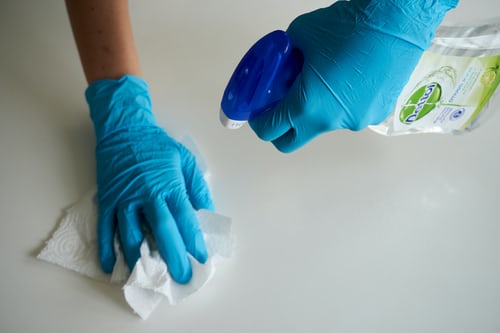
Business owners need to ensure that their workspaces are properly cleaned and thoroughly cleansed before employees report for duty once the lockdown has been lifted, says specialist cleaning service provider, Fidelity Cleaning Services.
“With some workers returning to work under level 4 lockdown, it is critical to ensure that their workspaces are properly cleansed and that hygiene measures are kept at the highest possible level to prevent the possible transmission of the coronavirus,” says Fidelity Services Group CEO, Wahl Bartmann.
ALSO READ: Washing hands with soap and water as opposed to cleaning them with hand sanitiser
Efforts are continuing around the world to find a cure for the coronavirus. While these efforts continue, Bartmann encourages business owners and employees to make good personal hygiene habits part of their daily lives especially if they are back at work.
“The virus is spread when someone who has Covid-19 coughs or exhales. Droplets of infected fluids can land on any nearby surface and objects, which makes regular and thorough cleaning and disinfecting more important than ever before,” says Bartmann.
The World Health Organisation and the Centres for Disease Control and Prevention have both released valuable advice on how employers and employees can take steps to control and prevent the spread of the virus at the workplace.
At the workplace, employers should ensure the following:
- Make sure your workplaces are clean and hygienic – Surfaces that are touched regularly (such as door handles, desks, tables, phones and keyboards) need to be wiped down and disinfected regularly
- Promote regular and thorough hand-washing by employees, contractors, and customers – Put sanitising hand rub dispensers in prominent places around the workplace. Make sure these dispensers are regularly refilled
- Display posters promoting hand-washing – Informational and educational posters can be downloaded from a number of websites, such as the South African Government and the CDC. Combine this with other communication measures such as offering guidance from occupational health and safety officers, briefings at internal meetings, and information on intranet sites to promote hand-washing
- Ensure that face masks or paper tissues are available at your workplaces, for those who develop a runny nose or cough at work, along with closed bins for hygienically disposing of them
- Encourage video conferencing or conference calls – While the country works to prevent the further spread of the coronavirus, it is better to avoid contact meetings if this is at all feasible
- Hope for the best, but plan for the worst – Ensure that you have accurate contact details for any employee or visitor on hand, so that everyone could be contacted in case of an infection that occurs to anyone that visited your workplace. Allocate a room or a space where anyone that possibly thinks they have fallen ill, can be kept isolated until they can safely be transported for medical treatment if this becomes necessary
Bartmann explains the basic cleaning and disinfecting tips that companies and business owners should follow:
- Clean surfaces using soap and water. Practice routine cleaning of frequently touched surfaces. High touch surfaces include tables, doorknobs, light switches, countertops, handles, desks, phones, keyboards, toilets, taps, sinks, etc. Once the area has been cleaned, use a disinfectant
- Carefully follow the instructions of the cleaning and disinfecting products you use, as some products encourage that surfaces remain wet for a period of time before it is dried.
- Disinfectant products with an alcohol content of at least 70% is recommended
- For soft surfaces such as carpeted floor, rugs, and curtains, clean the surface using soap and water or with cleaners appropriate for use on these surfaces. Launder items (if possible) according to the manufacturer’s instructions. Use the warmest appropriate water setting and dry items completely
- For electronics, such as tablets, touch screens, keyboards, and remote controls, consider putting a wipeable cover on electronics
- For clothing, towels, linens and other items – launder items according to the manufacturer’s instructions. Use the warmest appropriate water setting and dry items completely. Wear disposable gloves when handling dirty laundry from a person who is sick.
HAVE YOUR SAY
Like the South Coast Herald’s Facebook page, follow us on Twitter and Instagram
* Notice: Coronavirus reporting at Caxton Local Media aims to combat fake news
Dear reader,
As your local news provider, we have the duty of keeping you factually informed on Covid-19 developments. As you may have noticed, mis- and disinformation (also known as “fake news”) is circulating online. Caxton Local Media is determined to filter through the masses of information doing the rounds and to separate truth from untruth in order to keep you adequately informed. Local newsrooms follow a strict pre-publication fact-checking protocol. A national task team has been established to assist in bringing you credible news reports on Covid-19.
Readers with any comments or queries may contact National Group Editor Irma Green (irma@caxton.co.za) or Legal Adviser Helene Eloff (helene@caxton.co.za).