South African Banking Risk Information Centre releases annual crime stats for 2019 – and advises on how to protect your money
The counterfeiting of cards decreased by 44.8 percent for credit cards and 34.8 percent for debit cards.
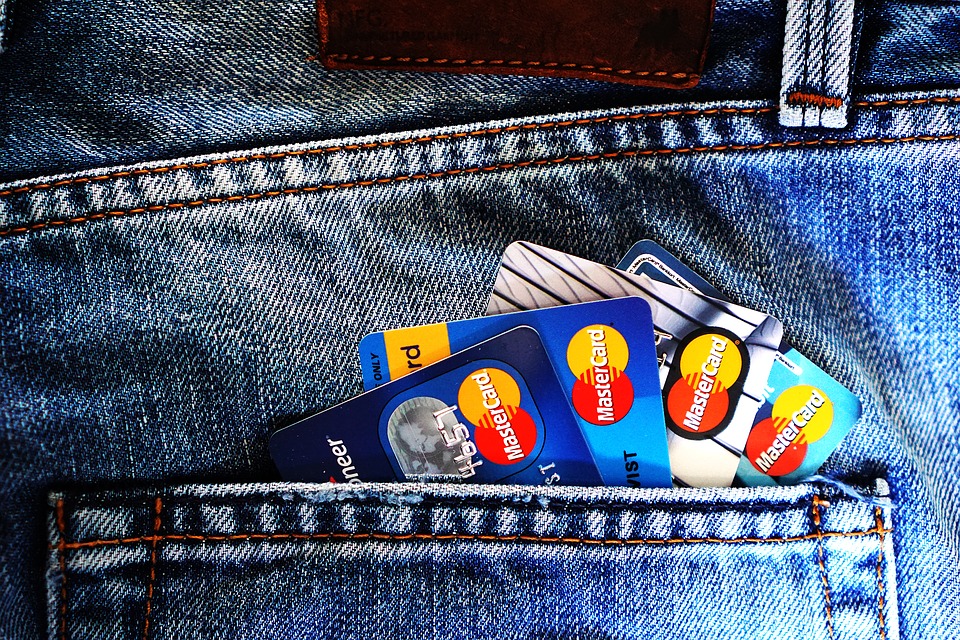
The South African Banking Risk Information Centre (SABRIC) on behalf of the banking industry has released its annual crime stats for 2019 and is pleased to announce that robust mitigation strategies deployed by member banks and partners are showing results.
In 2019, associated robberies decreased by two percent.
An associated robbery is a violent bank-related robbery of cash or a bank card committed against a bank client en route to, or from a bank branch, ATM or cash centre to make a deposit or withdrawal.
ALSO READ: Keep your bank cards safe to keep your money safe
Limpopo, Mpumalanga and the Western Cape showed the biggest decreases for these crimes.
ATM attacks decreased by nine percent.
The North West, Free State, Western Cape and Gauteng accounted for the greatest decreases in incidents.
Cash-in-transit robberies decreased by 16 percent. All provinces with the exception of KwaZulu-Natal and the Free State experienced incident decreases.
Overall gross losses on card transactions in South Africa amounted to R428.6m.
This was a two percent decrease when compared to the previous year.
The counterfeiting of cards decreased by 44.8 percent for credit cards and 34.8 percent for debit cards.
While these successes are commendable, business burglaries increased by 27 percent and business robberies by 86 percent.

The difference between a burglary and business robbery is that a burglary is when a premise is broken into to remove cash or any other movable property, while a business robbery is the violent removal of cash or movable property while under the control of a bank.
Digital banking fraud incidents increased by 20 percent.
But it is noteworthy that gross fraud losses on banking apps increased by only one percent despite a massive drive by banks to increase the number of transactions processed on apps.
Credit card and debit card fraud increased by 20.5 percent.
The leading contributor to gross card fraud losses has remained card not present fraud (CNP), for example, when your card number is used fraudulently by someone else to make a purchase at a garage while the physical card is in your possession.
Some 66.6 percent of all fraud on SA issued credit cards took place on merchant devices in a foreign country.
South African ecommerce merchants largely comply with 3D Secure whereas merchants abroad don’t use 3D Secure.
Be your money’s best protection by following these SABRIC tips:
Tips to prevent Card Not Present (CNP) Fraud
- Personal information includes identity documents, driver’s licenses, passports, addresses and contact details amongst others. Always protect your personal information by sharing it very selectively and on a need to know basis only.
- Never share your confidential information which includes usernames, passwords and PIN numbers with anyone.
- Review your account statements on a timely basis; query disputed transactions with your bank immediately.
- When shopping online, only place orders with your card on a secure website.
- Register for 3D Secure.
- Implement dual authentication for all accounts and products, especially for financial services products.
- Do not send e-mails that quote your card number and expiry date.
- Do not use your information if you suspect it may have been compromised. Rather use other personal information that you have not used previously in order to confirm your identity in future.
- Register for SMS notifications to alert you when products and accounts are accessed.
- Conduct regular credit checks to verify whether someone has applied for credit using your personal information and if so, advise the credit grantor immediately.
- Investigate and register for credit related alerts offered by credit bureaux.
Tips to prevent Phishing and Vishing
Phishing:
- Do not click on links or icons in unsolicited e-mails.
- Do not reply to these e-mails. Delete them immediately.
- Do not blindly believe the content of unsolicited e-mails. If you are worried about what is claimed, use your own contact details to contact the sender to confirm.
- Type in the URL (uniform resource locator or domain names) for your bank in the internet browser if you need to access your bank’s webpage.
- Check that you are on the real site before using any personal information.
- If you think that you might have been compromised, contact your bank immediately.
- Create complicated passwords that are not easy to decipher and change them often.
Vishing:
- Banks will never ask you to confirm your confidential information over the phone.
- If you receive a phone call requesting confidential or personal information, do not respond and end the call.
- If you receive an OTP on your phone without having transacted yourself, it was likely prompted by a fraudster using your personal information. Do not provide the OTP telephonically to anybody. Contact your bank immediately to alert them to the possibility that your information may have been compromised.
- If you lose mobile connectivity under circumstances where you are usually connected, check whether you may have been the victim of a SIM swop.
Tips for protecting your Personal Information
- Don’t use the same username and password for access to banking and social media platforms.
- Avoid sharing or having joint social media accounts.
- Be cautious about what you share on social media.
- Activate your security settings which restrict access to your personal information.
- Don’t carry unnecessary personal information in your wallet or purse.
- Don’t disclose personal information such as passwords and PINs when asked to do so by anyone via telephone, fax or even email.
- Don’t write down PINs and passwords and avoid obvious choices like birth dates and first names.
- Don’t use any Personal Identifiable Information (PII) as a password, user ID or personal identification number (PIN).
- Don’t use Internet Cafes or unsecure terminals (hotels, conference centers etc.) to do your banking.
- Use strong passwords for all your accounts.
- Change your password regularly and never share them with anyone else.
- Store personal and financial documentation safely. Always lock it away.
- Keep PIN numbers and passwords confidential.
- Verify all requests for personal information and only provide it when there is a legitimate reason to do so.
- To prevent your ID being used to commit fraud if it is ever lost or stolen, alert the SA Fraud Prevention Service immediately on 0860 101 248 or at www.safps.org.za.
- Ensure that you have a robust firewall and install antivirus software to prevent a computer virus sending out personal information from your computer.
- When destroying personal information, either shred or burn it (do not tear or put it in a garbage or recycling bag).
- Should your ID or driver’s license be stolen report it to SAPS immediately.
Tips for protecting yourself against SIM Swops
If reception on your cell phone is lost, immediately check what the problem could be, as you could have been a victim of an illegal SIM swop on your number. If confirmed, notify your bank immediately.
- Inform your bank should your cell phone number changes so that your cell phone notification contact number is updated on its systems.
- Register for your bank’s cell phone notification service and receive electronic messages relating to activities or transactions on your accounts as and when they occur.
- Regularly verify whether the details received from cell phone notifications are correct and according to the recent activity on your account. Should any detail appear suspicious immediately contact your bank and report all log-on notification that are unknown to you.
- Memorise your PIN and passwords, never write them down or share them, not even with a bank official.
- Make sure your PIN and passwords cannot be seen when you enter them.
- If you think your PIN and/or password has been compromised, change it immediately either online or at your nearest branch.
- Choose an unusual PIN and password that are hard to guess and change them often.
Tips for Carrying Cash Safely
Tips for Individuals
- Carry as little cash as possible.
- Consider the convenience of paying your accounts electronically (consult your bank to find out about other available options).
- Consider making use of cell phone banking or internet transfers or ATMs to do your banking.
- Never make your bank visits public, even to people close to you.
Tips for Businesses
- Vary the days and times on which you deposit cash.
- Never make your bank visits public, even to people close to you.
- Do not openly display the money you are depositing while you are standing in the bank queue.
- Avoid carrying moneybags, briefcases or openly displaying your deposit receipt book.
- It is advisable to identify another branch nearby you that you can visit to ensure that your banking pattern is not easily recognisable or detected.
- If the amount of cash you are regularly depositing is increasing as your business grows, consider using the services of a cash management company.
- Refrain from giving wages to your contract or casual labourers in full view of the public; rather make use of wage accounts that can be provided by your bank.
- Consider arranging for electronic transfers of wages to contract or casual labourer’s personal bank accounts.
HAVE YOUR SAY
Like our Facebook page, follow us on Twitter and Instagram