Good to know: 4 common home-based hazards
Discover these leading causes of injury – and how to avoid them.
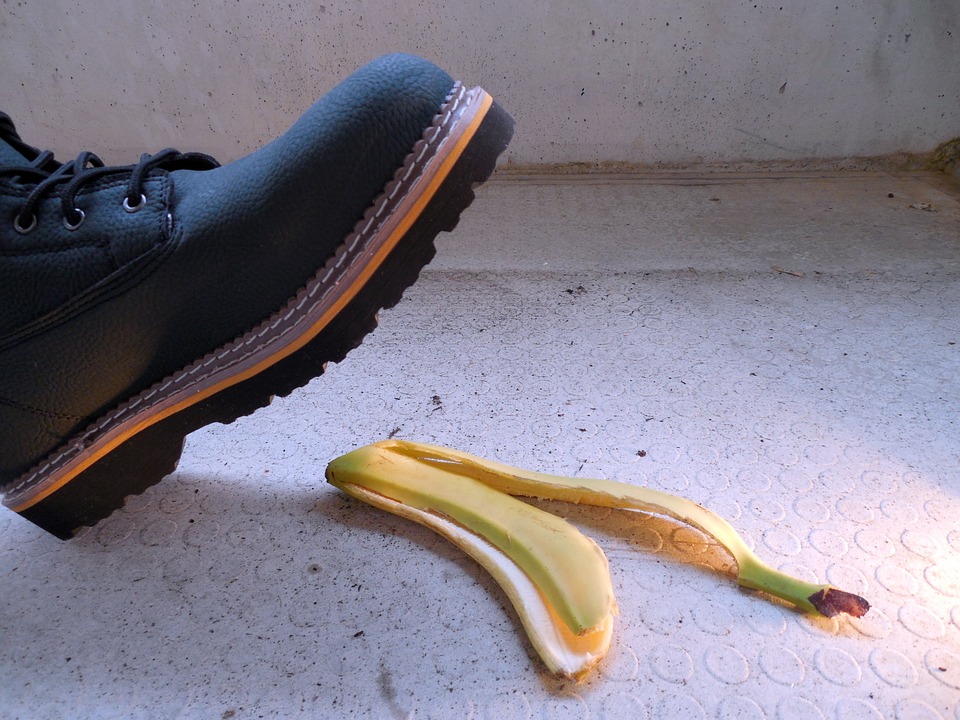
Cuts, scrapes, burns and accidental poisoning are all common household accidents that can mean a call to ER24 or a trip to the emergency centre.
ALSO READ: Here’s what you should do at an accident scene
Create a safe environment for your family by using common sense. Many accidents in the home can be avoided if you are sensible, cautious and alert.
- Falls
Slipping on wet surfaces, stumbling over toys, sliding down a staircase, taking a tumble after tripping over cables… household surfaces can become a dangerous territory when it comes to falls. Ensure all staircases have sturdy handrails and balustrades and keep passageways, staircases and landings clear of any toys or household clutter. Where possible, keep floor-level cords and wires taped down and ensure you use non-slip mats in the bathroom, kitchen and other tiled areas. Consider installing handrails in the bath or shower, particularly if you have older relatives living with you. Clean up any spills immediately.
2. Choking
Babies and small children explore their worlds by putting things in their mouths. Choking is usually caused by food, toys, and other small objects that can easily lodge in a child’s small airway. Scour the floor regularly for small toys and other items that could be easily reached by little hands. If your child is under the age of four, cut up their hard foods into small, manageable chunks. Even if your child is no longer an infant, a baby monitor can help alert you to sounds of danger, such as choking, if they are playing in a different room.
3. Cuts
Every home has plenty of dangerous tools that you use on a daily basis, such as kitchen knives, scissors, power tools and screwdrivers. In fact, anything with sharp edges can pose a risk to you – and your child’s – safety. Make a point of safely storing all sharp kitchen and garden tools and to make cuts even less possible, point knives and forks downward in the utensil basket of the dishwasher. Place the basket away from the front of the dishwasher as well, in case little hands start investigating.
3. Accidental poisoning
Always store medicines, swimming pool chemicals and household cleaning products in cupboards and cabinets where a child cannot reach them. Don’t assume your child can’t open a container – child-resistant packaging does not mean childproof packaging. Keep cleaning products in their original bottles with the labels. If you decant them into plastic bottles or food containers, your child might be tempted to sample them. When you’re cleaning or using household chemicals, keep a close watch on the bottles or buckets if children are around. When it comes to insect or rodent repellents, ask a reputable company to lay bait safely.
For real help, real fast, call ER24 on 084 124
HAVE YOUR SAY
Like the South Coast Herald’s Facebook page, follow us on Twitter and Instagram