Black Rhino Range Expansion Project celebrates the birth of more than a dozen calves this year
Two of the calves are second generation as their grandmothers were relocated to create new populations.
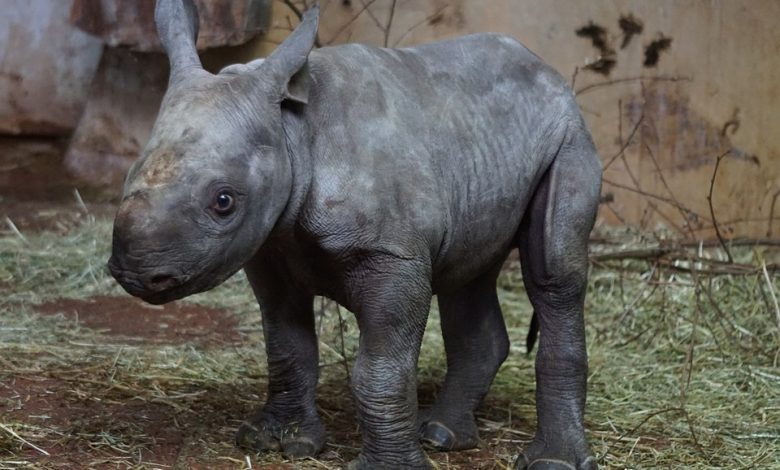
The Black Rhino Range Expansion Project (BRREP) celebrates the birth of at least 13 calves in 2020 on project sites across South Africa and in Malawi.
Two of the calves are second generation, meaning that their grandmothers were among those moved to create new populations.
ALSO READ: Significant decrease in rhino poaching in first six months of 2020
“This is why WWF entered into partnership with Ezemvelo KZN Wildlife nearly two decades ago,” says WWF’s project leader Dr Jacques Flamand.
“It’s what we’re about. We decided to increase the range of black rhino in order to increase growth rate and numbers of the critically endangered species. It started slowly and has taken a lot of hard work and commitment from a lot of partners. Now we are starting to see the results that we hoped for.”
There are now approximately 270 black rhinos on the project’s 13 partner sites.
In November 2019, the BRREP undertook its first cross-border translocation when a group of black rhinos was moved from South Africa to Malawi..
The massive operation was a partnership between Ezemvelo KZN Wildlife, African Parks, WWF SA and Malawi’s Department of National Parks and Wildlife.
It was the largest ever transport by air of black rhino. The animals were flown from King Shaka International Airport in Durban to Lilongwe International Airport, then driven by truck to their final new home. The rhinos have acclimatised well, and two already have calves.
There are about 5 500 black rhinos in the wild, an increase from less than 2 500 around 25 years ago. Translocation projects that create new populations in well-protected areas are essential in giving populations a chance for recovery.
The BRREP project is managed by WWF South Africa with funding support from WWF Netherlands, the WWF Nedbank Green Trust and the Ford Wildlife Foundation.
Support efforts to grow the numbers of critically endangered black rhinos.
HAVE YOUR SAY
Like the South Coast Herald’s Facebook page, follow us on Twitter and Instagram